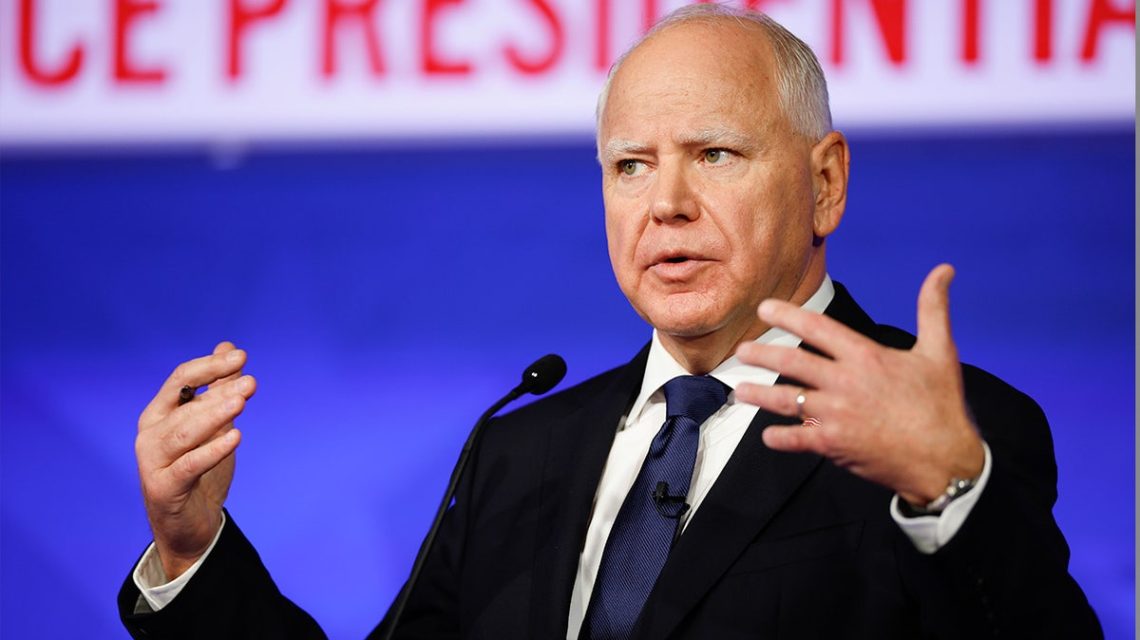
Public school teachers in Minnesota, under Governor Tim Walz’s administration, must follow a mandatory race standard. This requires analyzing how their biases, perceptions, and academic training might perpetuate oppression. This policy has sparked criticism and debate.
Republican state Senator Mark Koran commented on this educational requirement, describing it as evidence of erosion in Minnesota’s schooling. According to the state’s “Standards of Effective Practice,” teachers aiming for licensure must evaluate how their biases impact their teaching and contribute to oppressive systems. Teachers are also expected to use tools to adjust their behaviors and counteract oppressive systems.
Koran criticized this approach and suggested it forces teachers to accept being labeled as oppressors. He expressed concern about the implications of these requirements, calling them “horribly detrimental.” He claims these changes align Walz with radical agendas associated with teachers’ unions and public unions.
Koran asserted that Minnesota revamped its teaching standards, focusing on racism. Teachers now need to include concepts of oppression and the oppressor-oppressed dynamic in their curricula. He finds these standards offensive, arguing that they reinforce systemic racism that he believes no longer exists.
The requirements also emphasize understanding prejudice, discrimination, and racism on different levels. Teachers must highlight the historical context of Minnesota’s education laws and policies that create unequal opportunities for marginalized groups, including Indigenous students and students facing discrimination based on various identities.
More than 50 school districts have implemented Policy 425, offering race-based incentives and protections for teachers of color and American Indian teachers. The policy includes financial incentives, affinity groups, and layoff safeguards.
Furthermore, teachers must recognize the effects of individual and systemic trauma, like racism, on student learning. They must apply culturally responsive strategies to mitigate these impacts.
Senator Koran expressed concerns that such ideological shifts might lead to a decline in teacher retention. He criticized race-based assumptions inherent in the standards and described the declining academic performance in Minnesota schools. Despite higher graduation rates, he questioned the quality of education students receive.
This controversy arises amidst scrutiny over a major fraud scandal in Minnesota. Koran stressed that the governor plays a crucial role in setting the state’s educational goals.
 Oak Lawn Librarian Supports Library Projects in Zimbabwe
  Spelman College Appoints New President with AI Focus
  Key Questions for Borrowers Before Student Loan Changes
  Commencement Speakers Face Backlash Due to A.I. Focus
  Upcoming Federal Student Loan Changes and What Borrowers Need to Know
  Challenges in Higher Education and Employment