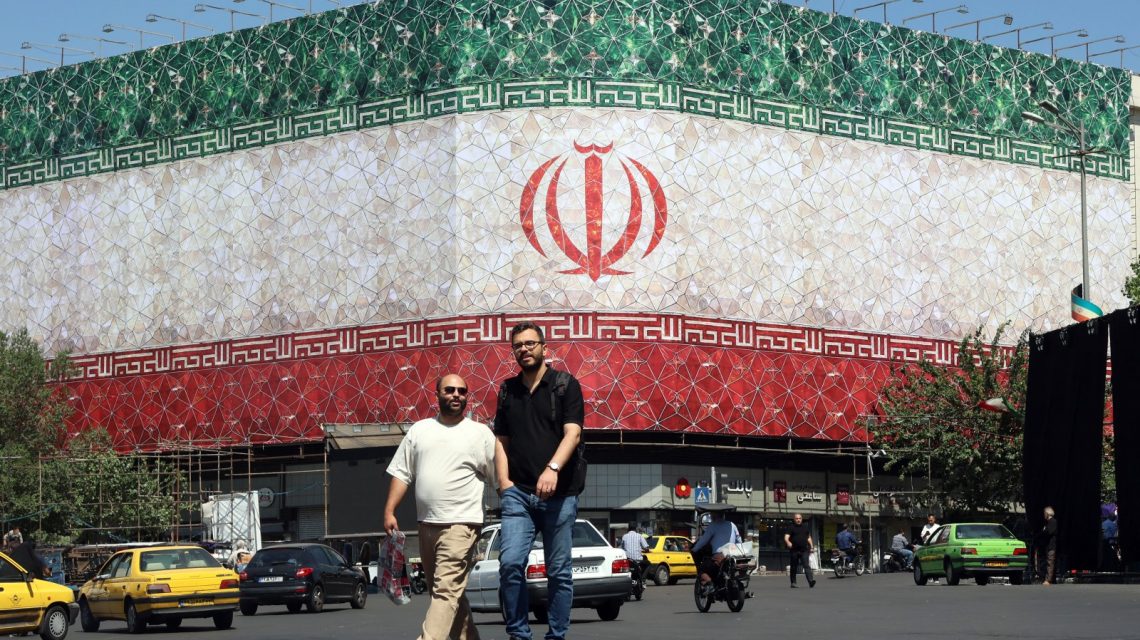
President Donald Trump’s statement, “Let the oil flow,” highlighted a deal intended to unblock the Strait of Hormuz. However, the memorandum of understanding (MOU) aiming to conclude the Iran War has stirred questions and criticisms. A Democratic Senator labeled it as a surrender. While many commend the reopening of the Strait and Trump’s recent negotiations, concerns linger among key stakeholders.
Critical Voices
Israel has expressed notable disapproval. Prior to Trump’s post, Yediot Aharonot, a Hebrew daily, described the deal as “bad,” pointing out that Israel, a nation that clashed with Iran twice last year, was excluded from these negotiations. The MOU suggests lifts on U.S. retaliatory blockades of Iranian ports, paving the way for extensive talks over Tehran’s nuclear ambitions and sanctions to follow.
Hamidreza Azizi, an Iran expert at SWP Berlin, told Newsweek that the lack of clarity in the MOU’s terms prevents any reliable judgment on its potential impacts. He mentioned, “There is still room for misunderstandings or even miscalculations regarding the commitments of each party at this stage.”
Contention in Israel
Israel’s finance minister, Bezalel Smotrich, harshly criticized the MOU, labeling it “bad for Israel” and “the entire free world.” He vowed to “continue the campaign to topple the regime” in Tehran. Gadi Eisenkot, a rival to Prime Minister Benjamin Netanyahu for upcoming elections, noted a vast gap between Netanyahu’s assurances of a triumphant outcome and the unfolding agreement, as cited by The Times of Israel.
In the U.S., Democratic Senator Chris Murphy recognized the war’s end yet denounced the MOU as “essentially surrender to Iran.” He stated, “These are Iran’s terms,” highlighting that Iran’s concession of opening the Strait is misleading since it was previously accessible. He criticized the prospect of Iran accessing billions in U.S.-frozen funds before concluding a nuclear accord, potentially weakening U.S. leverage.
Nate Swanson of the Iran Strategy Project at the Scowcroft Middle East Security Initiative commented that without a timely follow-up deal, the MOU risks instability. He stated the 14-point plan might alleviate violence and increase maritime flow temporarily, but unresolved issues concerning the Strait’s control, nuclear concessions, and sanctions relief remain critical for the subsequent 60-day phase.
“There are structural incentives in the United States, Iran, and Israel that will make a second phase challenging,” Swanson noted, citing the complex demands of a nuclear deal requiring new oversight measures.
Unclear Control Over Strait of Hormuz
President Trump and Iran’s Deputy Foreign Affairs Minister Kazem Gharibabadi indicated an agreement to be signed in Switzerland soon. Nevertheless, the status of the Strait of Hormuz remains uncertain. According to ISW, control over the Strait continues to be a focal point for Tehran. The MOU lacks clarity on Tehran’s management and ongoing toll system for passage, as Iranian Foreign Minister Abbas Araghchi suggested continuity.
Reports from IRGC-affiliated Fars News confirmed “important changes” in the final MOU document affirming Iran and Oman’s sovereignty over the Strait. Sources claimed Iran would allow toll-free passage temporarily for 60 days but plan to use revenue from subsequent commercial ship traffic for economic development. This maneuver indicates Iran’s intent to maintain control with ISW asserting that an open Strait overseen by Iran contradicts pre-war conditions, signifying a strategic win for Tehran.
Azizi explained that if Iran removes restrictions for 60 days, reinstating them might bear political consequences unless negotiations completely fail and conflict resumes. Geographically, Iran holds the capability to disrupt Strait transit as needed, rendering this a reversible concession.
Israeli Occupation in Lebanon
Israel pledged to maintain its position in Lebanon, which engaged in the war following Hezbollah’s March 2 rocket attacks. National Security Minister Itamar Ben-Gvir stated that Israel is not bound by Trump’s MOU, emphasizing refusal to withdraw from captured Lebanese territories.
Israeli Defense Minister Israel Katz, quoted by Israeli newspaper Hareetz, asserted that the IDF will continue its presence in Lebanese, Syrian, and Gaza regions. This has resulted in widespread destruction in southern Lebanon and what some term as an Israeli occupation of parts of the country. Lebanese data indicate at least 3,711 casualties and over one million displaced due to Israeli actions.
Lebanese President Joseph Aoun expressed hope for a resolution with Israel and Hezbollah, yet statements by Gatz and Ben-Givr suggest no foreseeable withdrawal from Lebanon.
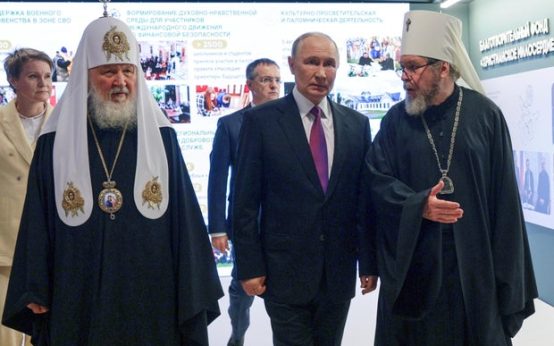 EU Imposes Sanctions Over Russia’s Actions in Ukraine
  A Call for Maritime Norms: Reaffirming U.S. Commitment
  French Justice System Faces Public Outcry After Death of 11-Year-Old Girl
  Royal Controversies in Europe: A Closer Look at Recent Scandals
 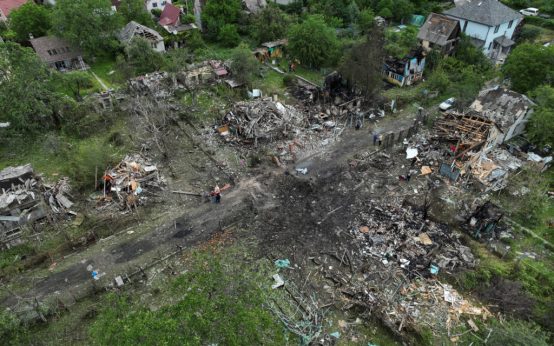 Massive Drone and Missile Assault on Ukraine’s Major Cities
 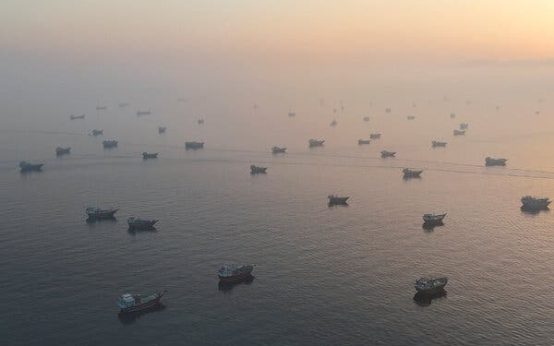 Shipping Firms Cautious of U.S.-Iran Deal