
In the Caribbean Sea, off Dominica, a distressing incident unfolded. Faced with a compromised dinghy, the decision to abandon ship became inevitable. Amid strong currents and uncertainty, Dominican fishermen saved the author from peril. Such moments evoke trust among mariners—a principle of aiding those in distress, regardless of differences.
This duty, rooted in maritime conventions like the International Convention for the Safety of Life at Sea, underscores a universal commitment. Yet, recent actions defy these principles. On September 2, 2025, the U.S. targeted an unidentified vessel in international waters, ignoring mariners clinging to wreckage. Over eight months, numerous vessels endured attacks, leaving over 200 sailors dead. Debate ensued, questioning the link to narco-terrorism. Media condemnation and Senate pleas followed, but strikes continued.
Globally, ocean trade thrives—80 percent of trade traverses seas. Undersea cables, critical for internet traffic, form a web beneath. Yet, the Trump administration’s actions have eroded maritime norms, challenging navigation freedom and oceanic resource management.
The Strait of Hormuz exemplifies the navigation struggle. Despite tradition, blockades from the U.S. and Iran disrupt transit during recent conflicts. Although resolution seems possible, reliable freedom restoration remains uncertain.
Subsea cables face threats, necessitating global protection since 1899. Russia allegedly disrupts cables, impacting adversaries’ power and data flow. Meanwhile, Iran has imposed fees on cables crossing the Strait of Hormuz.
Deep-sea resources, recognized as mankind’s common heritage, demand careful exploitation. The Trump administration’s departure from decades of multilateral negotiations neglects environmental concerns, despite U.S. laws advocating resource-sharing principles.
The U.N. Convention on the Law of the Sea embodies norms safeguarding mariners, navigation, cable protection, and resource management. Despite signing in 1994, U.S. ratification lags, fostering reliance on customary law instead.
The maritime community’s trust in U.S. adherence to established norms diminishes without treaty ratification. This departure jeopardizes sailors, and only through Senate ratification can U.S. legitimacy in maritime affairs be restored.
Failing to act risks isolating the U.S. from maritime cooperation, leaving mariners vulnerable. Andrew D. Thaler, a deep-sea ecologist and technology advocate, underscores this urgency.
 2026 FIFA World Cup Kicks Off with Exciting Matches and Anticipation for Erling Haaland’s Debut
  Putin’s Obsession and Psychological Projection
 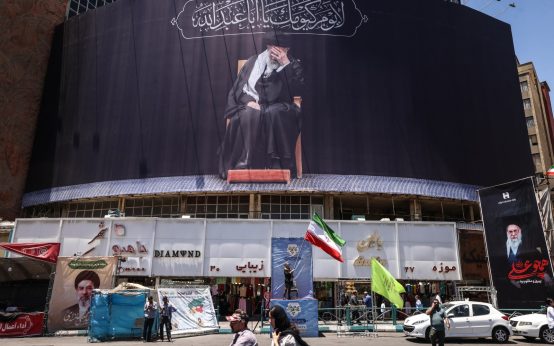 U.S. and Iran Move Toward Peace Amid War Tensions
  China’s Expanding Military Reach and Its Impact on Australia
  Swiss Voters Reject Population Cap Proposal
  Death of Yemen’s ‘Spider-Man’ Sparks Dialogue on Extreme Climbing Risks