
HAVANA — Cuban President Miguel Díaz-Canel has announced that the Cuban government is bracing for significant fuel shortages as a result of U.S. policies aimed at reducing the island’s oil supplies. During a national television broadcast, Díaz-Canel criticized the measures taken by the Trump administration, describing them as harmful to essential services and the nation’s economic stability.
It is reprehensible that a power such as the U.S. would adopt such a criminal policy against a country, as it affects food, transportation, hospitals, schools, economic production and the functioning of our vital systems,Díaz-Canel stated.
The President emphasized the need for temporary measures to address the shortages and mentioned that a contingency plan would be revealed in the coming week. Díaz-Canel expressed his readiness for dialogue with the U.S. on a range of issues, stressing the importance of mutual respect and absence of external pressure. He noted that while Cubans do not harbor resentment toward Americans, they are preparing a defensive strategy in light of strained relations.
“We aren’t in a state of war,” Díaz-Canel said, adding that preparations are necessary should tensions escalate.
At a White House briefing, Press Secretary Karoline Leavitt reiterated President Donald Trump’s assertion that the Cuban government is on the brink of collapse. Trump had recently mentioned ongoing high-level discussions with Cuban officials, a claim supported by Cuban Deputy Foreign Minister Carlos de Cossio, who confirmed the exchange of messages with the U.S. However, de Cossio highlighted that no formal dialogue or negotiations are currently taking place, although Cuba remains open to talks under specific conditions.
The halt in oil shipments from Venezuela to Cuba, effective since December, has compounded the crisis. The supply ended following the U.S. military operation that resulted in the capture of Venezuela’s former President Nicolás Maduro. Venezuela was Cuba’s primary oil supplier, and the island has since struggled with increased shortages.
Reactions in Havana to the impending contingency plans were mixed, with some expressing pessimism about the nation’s future. Publicist Frank Palomares remarked on the stagnant and delayed nature of changes in Cuba, while university student Melani Alarcon voiced concerns over the detrimental impact on education and future prospects.
President Trump has also reportedly urged Mexican President Claudia Sheinbaum to halt oil shipments to Cuba. Mexico has historically been a significant supplier of fuel to the island. Nevertheless, Sheinbaum has pledged to continue aid to Cuba, emphasizing humanitarian support and urging diplomatic dialogue.
Following Maduro’s capture, U.S. attentions have shifted towards Cuba, with the Trump administration labeling it a “failing nation.” The economic situation in Cuba remains dire, exacerbated by dwindling tourist numbers and intensifying U.S. sanctions since the pandemic. The island is grappling with persistent shortages of essential goods and prolonged daily blackouts driven by the lack of oil.
The gravity of the situation prompted the unusual step of Díaz-Canel holding a spontaneous press conference, highlighting the increasing economic pressures amid deteriorating Cuba-U.S. relations.
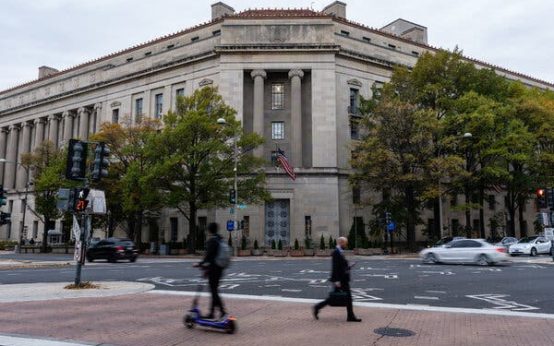 Justice Department Withdraws Plan for $1.8 Billion Fund
 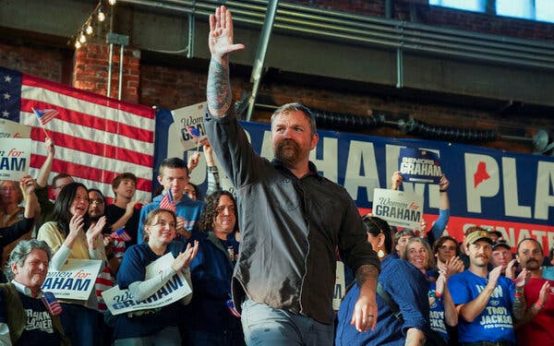 Democratic Concerns Grow Ahead of Maine Senate Primary
  Latin American Deportees in Congo: Return to Home Countries Amid Challenges
 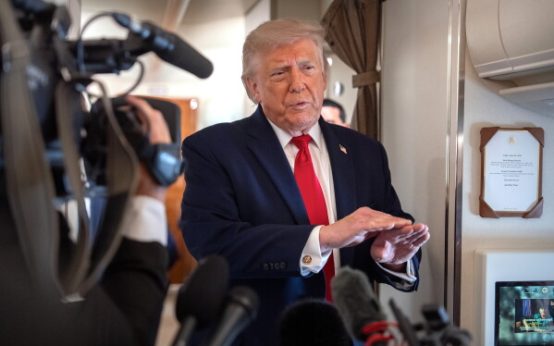 Federal Judge Invalidates Trump-Era Immigration Policy
  Debate Over White House Ballroom Construction
  Scrutiny Surrounds Graham Platner Amid Maine Senate Primary