
President Donald Trump’s recent effort to conclude the Iran conflict has sparked criticism within the Republican ranks. Many Republicans desire a more stringent approach towards Tehran. Concerns arise over the possibility of losing a strategic moment to control a longstanding Middle Eastern adversary.
Controversy Over Negotiations
Trump announced a deal as “largely negotiated,” which stirred reactions among legislators, former Cabinet members, and conservative analysts. They question if the current conditions mean the conflict effort amounted to nothing.
Texas Republican Senator Ted Cruz highlighted the issue, labeling Trump’s decision to engage with Iran critical to his presidency. Cruz voiced concerns that negotiations might leave a regime chanting “death to America” and potentially acquiring nuclear capabilities.
“If the result includes an Iranian regime capable of uranium enrichment and nuclear weapon development, it’s a disastrous mistake,” Cruz commented on X.
His statement followed Trump’s discussion with Israeli and U.S. regional allies. South Carolina Senator Lindsey Graham also opposed deals positioning Iran as a regional stronghold, suggesting it could threaten oil assets in the Gulf.
Republican Divides
Senate Armed Services Committee Chair Roger Wicker queried the value of proposing a 60-day ceasefire, describing it as potentially disastrous.
“Everything accomplished by Operation Epic Fury would be for naught!” exclaimed Wicker, a Mississippi Republican.
In defense, Trump, known for his approach to deals, dismissed objections, stating critics lack complete knowledge of negotiations.
“Don’t heed the critics who know nothing about the ongoing dealmaking,” he asserted on social media.
He pointed out that their agreement contrasted with a previous Obama administration nuclear pact. His commitment remains firm: the U.S. will maintain a military blockade on Iranian ports until a signed and certified agreement exists.
Support and Opposition
Support for Trump’s strategy exists among some Republicans. Kentucky Senator Rand Paul defended the administration’s direction.
“Negotiations usually mark the end of conflicts,” Paul posted on X, urging critics to allow Trump space for an “America First” solution.
The proposed plan aims to end the war, with Iran reopening strategic waterways and surrendering enriched uranium, subject to a further 60-day negotiation period.
Public Sentiment and Costs
Polls indicate the war, commenced with U.S. and Israeli attacks on Iran, lacks popularity among Americans. The conflict already cost taxpayers $29 billion, and claimed thirteen U.S. service member lives. Originally projected to last merely a month, the conflict persists.
Iran’s closure of a vital energy strait disrupted global supply, raising fuel and commodity prices.
Political Reactions and Assurances
Former Secretary of State Mike Pompeo criticized the emerging deal, equating it to Obama’s previous agreement, to which the White House rebutted intensely.
“Not remotely America First,” Pompeo remarked, prompting a defensive response from Trump’s communication team.
Former National Security Advisor John Bolton also critiqued the arrangement, suggesting it favors Iranian aims of nuclear advancement and global influence.
“Iran could regain its nuclear aspirations and global terror support,” Bolton stated.
Amidst these critiques, Secretary of State Marco Rubio reinforced Trump’s robust stance against Iran, reaffirming that Iran achieving nuclear status under Trump is inconceivable.
“This president won’t allow an agreement bolstering Iran’s nuclear potential,” declared Rubio during a diplomatic trip in India.
Not all GOP voices are critical. Kentucky Representative Thomas Massie, a known Trump critic, expressed conditional approval for the proposal. “If Cruz and Graham oppose it, it might be promising,” he suggested on NBC.
 Pentagon Reduces Recognized Religious Affiliations
 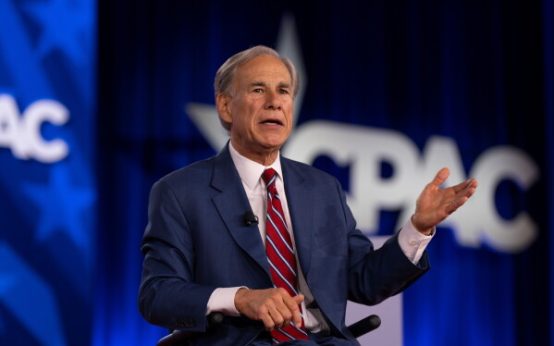 U.S. Military Awaits Pentagon’s Clarification on Troop Levels in Europe
  Xavier Becerra Advances in California Governor Race
 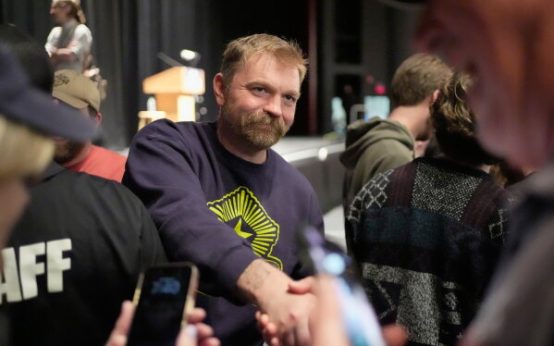 Graham Platner’s Campaign Amid Controversy
 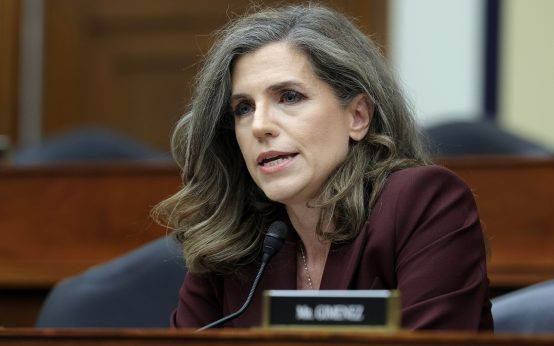 South Carolina GOP Primary Heats Up as Trump Endorses Evette
 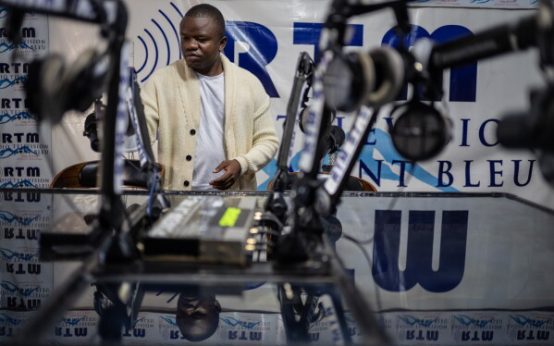 Potential Ebola Outbreak in Central Africa Raises Concerns of Rapid Spread