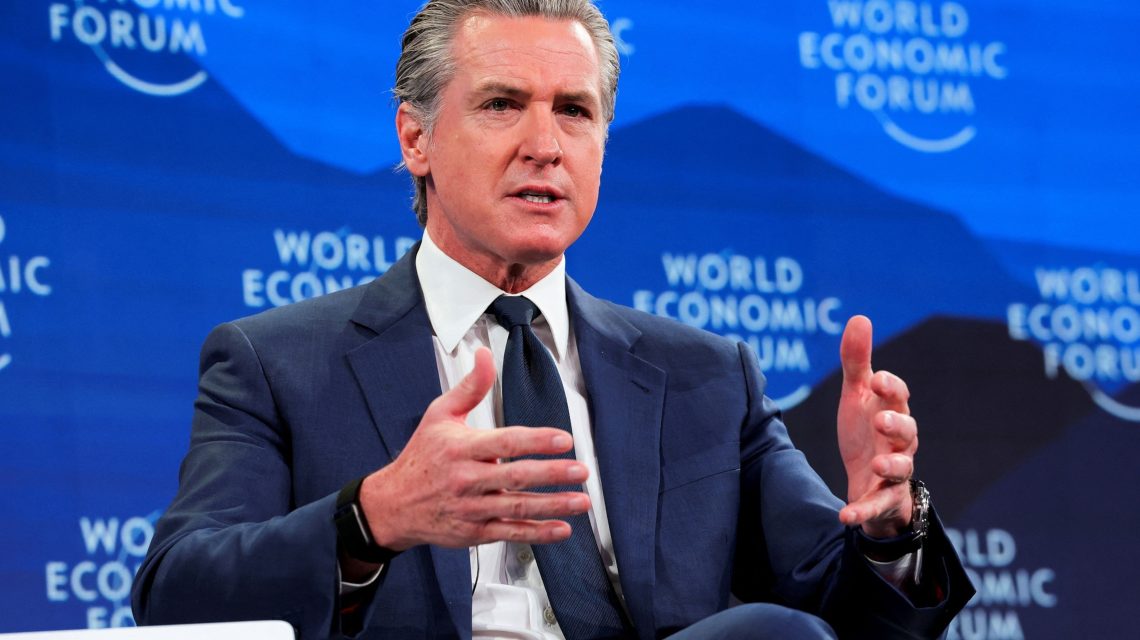
The California gubernatorial race is intensifying as numerous Democratic candidates line up to succeed the term-limited Governor Gavin Newsom. This crowded field is sparking speculation and concern within the party. California Republican Party Chair Corrin Rankin has taken the opportunity to jest, suggesting that more Democrats should consider running, which underscores the semi-anxious atmosphere among Democrats.
In California’s top-two primary system, the stakes are high. All candidates, regardless of party, appear on one ballot, and the top two advance to the general election. Historically, this system has ensured that at least one Democrat and one Republican advance, but the current political landscape’s dynamics have introduced uncertainty.
The fact that it’s a possibility at all is enough to raise eyebrows and generate concern,
stated Steven Maviglio, a seasoned Democratic operative, reflecting the cautious outlook among some party members.
Adding to this complex scenario was former Vice President Kamala Harris’ decision to abstain from running, which catalyzed the Democratic contenders. High-profile names such as U.S. Rep. Eric Swalwell, former Rep. Katie Porter, ex-Health Secretary Xavier Becerra, and San Jose Mayor Matt Mahan have emerged as key figures in the narrative.
Former Los Angeles Mayor Antonio Villaraigosa emphasizes his experience as a “proven problem-solver,” aiming to convince voters of his practical approach and capability to address the state’s challenges. Betty Yee, with her experience as California’s state controller, emphasizes her readiness to immediately tackle the state’s needs, leveraging her statewide experience and financial expertise.
For Democratic hopefuls, breaking through in a saturated field is daunting, but they persist, driven by differing visions and leadership styles for the state’s future. The delay in declaring due to Harris’ initial consideration and the focus on prior congressional maps has meant that candidates have had a shortened period to capture voters’ attention and funds.
In the Republican camp, Steve Hilton and Chad Bianco express optimism in making it to the top-two slot, fueled by a perceived backlash against the state’s Democratic dominance. Hilton, known for his business background and media presence, sees an opportunity in what he describes as a public desire for change.
Bianco attributes the Democratic crowd to the absence of a designated successor, which could inadvertently favor Republican candidates.
Nevertheless, the top-two system poses challenges for all candidates. Hilton expressed doubts about the GOP’s benefit from it, speculating that unions and donors may eventually consolidate their support behind a single Democrat.
Maviglio pointed out the current reluctance among unions and donors to commit due to the field’s fragmentation. The upcoming Democratic Party convention could serve as a decisive moment, with potential candidate withdrawals if the support doesn’t meet necessary thresholds.
 Pentagon Reduces Recognized Religious Affiliations
 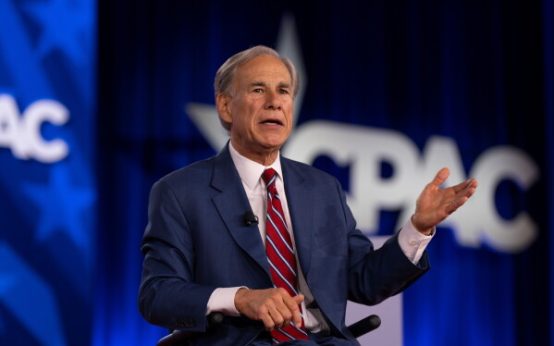 U.S. Military Awaits Pentagon’s Clarification on Troop Levels in Europe
 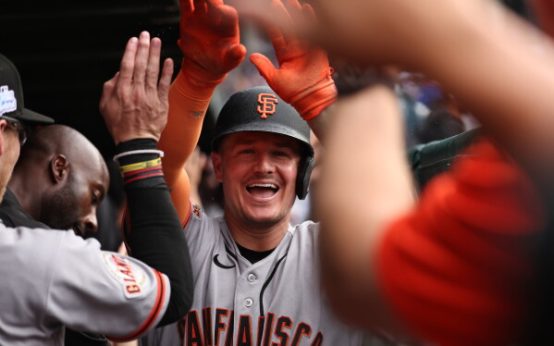 Xavier Becerra Advances in California Governor Race
 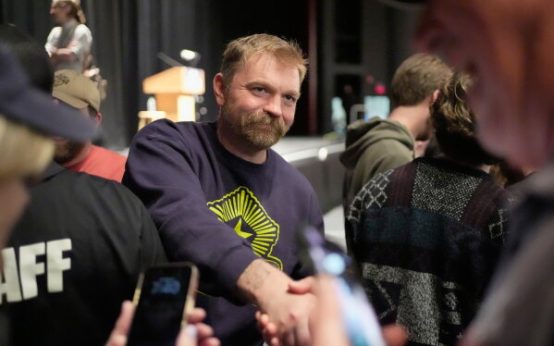 Graham Platner’s Campaign Amid Controversy
  South Carolina GOP Primary Heats Up as Trump Endorses Evette
  Federal Judge Overturns Trump-Era Immigration Policy