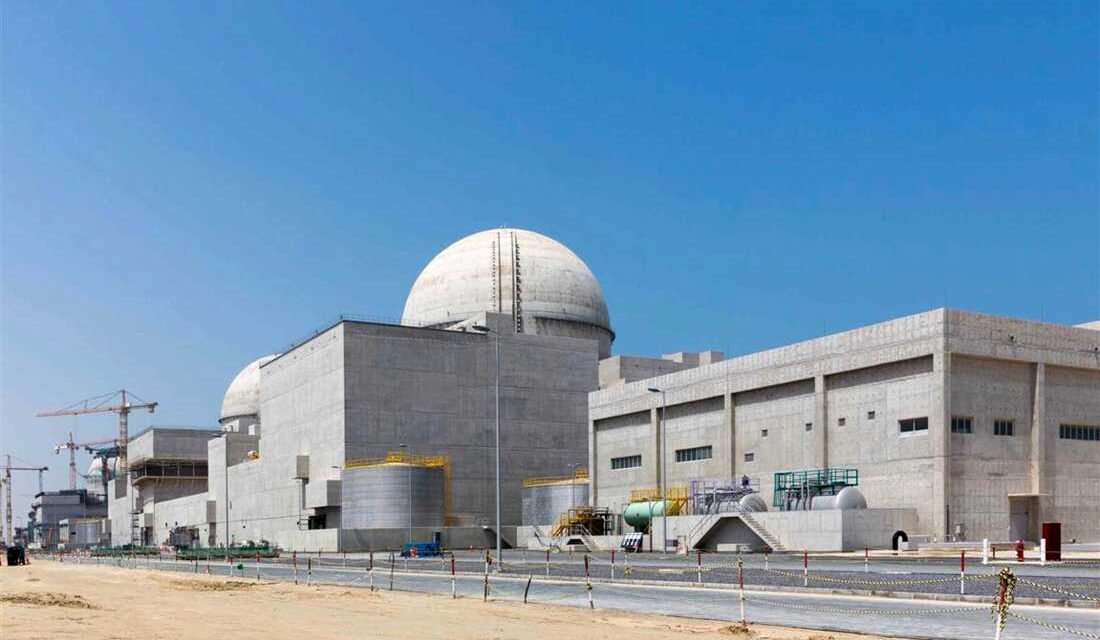
DUBAI, United Arab Emirates — A drone strike initiated a fire at the UAE’s only nuclear power plant, Barakah, underscoring the threat of escalating conflict as the U.S. and Iran appear poised to renew hostilities. Authorities termed it an ‘unprovoked terrorist attack’ while not attributing responsibility. Fortunately, there were no injuries or radiation issues reported.
Heightened Tensions
The UAE, having hosted Israeli defense personnel, has recently accused Iran of drone and missile attacks. Strain surrounding the Strait of Hormuz, a vital energy passage controlled by Iran and blockaded by U.S. naval forces, intensifies regional instability.
“For Iran, the Clock is Ticking, and they better get moving, FAST, or there won’t be anything left of them,”
posted U.S. President Donald Trump on social media after discussing Iran with Israel’s Prime Minister Netanyahu, referencing the U.S.-Israel attack on Iran that initiated on February 28. Trump has consistently issued deadlines to Tehran, which he frequently retracts.
Military Alert
On Iranian television, Mohsen Rezaei, military adviser to Iran’s supreme leader, emphasized readiness despite negotiations, stating “Our armed forces’ fingers are on the trigger, while diplomacy is also continuing.” Ceasefire remains tenuous; diplomatic efforts toward peace have stumbled. Tensions escalate between Iran-supported Hezbollah in Lebanon and Israel amid a brittle ceasefire.
UAE’s Energy Assurance
Barakah nuclear plant, constructed with South Korea’s cooperation, commenced operations in 2020, supplying a quarter of UAE’s energy. Despite the attack, UAE’s nuclear regulator declared the facility’s safety intact and normal operation. The International Atomic Energy Agency notified of fire damage to an electrical generator, leading one reactor to utilize emergency power sources.
Historical Claims
This event marks the first attack targeting the Barakah plant amidst conflict. Yemen’s Iran-backed Houthi rebels previously claimed an attack during plant construction in 2017, which UAE refuted.
Distinct Nuclear Programs
UAE adheres to the U.S.-forced ‘123 agreement’, rejecting uranium enrichment and spent fuel reprocessing. This diverges from Iran’s nuclear program at the heart of U.S.-Iran tension. Despite maintaining peaceful intentions, Iran’s uranium enrichment approaches weapons-grade levels and often limits U.N. inspectors’ access.
Contrastingly, Israel, suspected as the region’s only nuclear capability holder, neither confirms nor denies possessing atomic weapons. Iran targeted near Israel’s Dimona nuclear site previously. Nuclear installations worldwide increasingly face threats, exemplified by strikes during Russia’s invasion of Ukraine starting 2022.
Fraught Ceasefire
Israel and U.S. consider resuming attacks as Israeli officials indicate, requesting anonymity due to sensitive discussions. Israeli Prime Minister Netanyahu declared readiness for any scenarios concerning Iran to his cabinet. In Iran, state media presenters, including Hossein Hosseini and Mobina Nasiri, symbolically armed on-air, reinforcing nationalistic fervor amid intensifying conflict.
 U.S. Military Awaits Pentagon’s Clarification on Troop Levels in Europe
 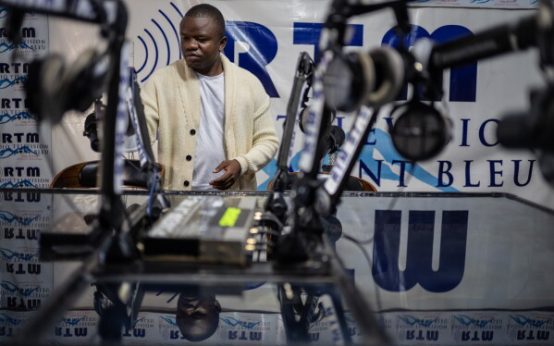 Potential Ebola Outbreak in Central Africa Raises Concerns of Rapid Spread
 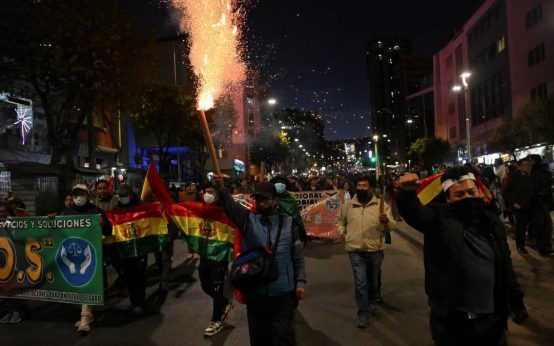 U.S. and Allies Condemn Efforts to Overthrow Bolivian Government
  Pamela Hicks: Cousin, Bridesmaid, and Witness to History
  Latin American Deportees in Congo: Return to Home Countries Amid Challenges
  Controversy Surrounds Stabbing Incident of British Student