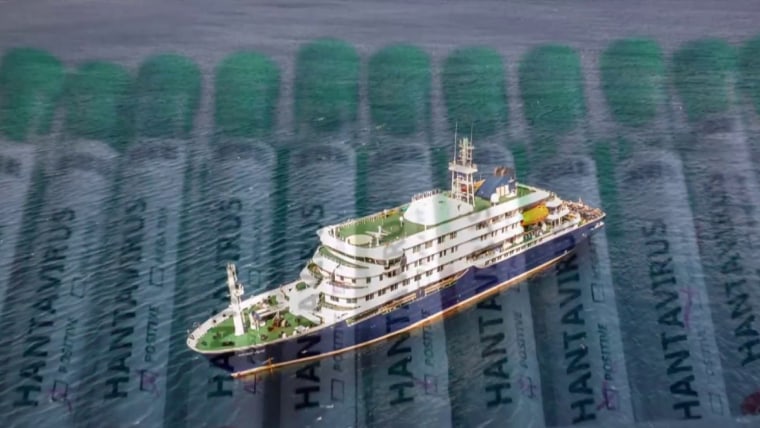
The recent outbreak of hantavirus on the MV Hondius cruise ship has intensified focus on the development of a vaccine to prevent the spread of the virus. Despite these efforts, the progress of creating a hantavirus vaccine has repeatedly faced setbacks. One significant reason for this is the sporadic nature of outbreaks, which often occur in poorer regions with less financial incentive for pharmaceutical companies to pursue vaccine development.
Sabra Klein, a professor at Johns Hopkins Bloomberg School of Public Health, explains the funding challenges: “Our funding agencies don’t put a lot of money into this, because it’s likely not to cause the next epidemic or pandemic.” Klein notes that while these hemorrhagic fevers are frightening and disruptive when they occur, they haven’t been prioritized in funding.
The biotech firm EnsiliTech, based in the U.K., has been working on a potential hantavirus vaccine for 15 years. Matt Slade, co-founder and chief of staff of the company, states, “We looked at hantavirus and saw it was pretty neglected. There wasn’t really any work in the sector.” EnsiliTech’s vaccine utilizes messenger RNA technology, similar to the platform used for Covid-19 vaccines.
This particular vaccine targets the hantaan virus strain, commonly found in East Asia, known for causing hemorrhagic fever with renal syndrome, which includes severe internal bleeding and kidney damage. According to Slade, one of the challenges in development is ensuring the vaccine can be transported and stored at room temperature. Pfizer and Moderna’s Covid vaccines required cold storage, complicating their distribution.
EnsiliTech has pioneered a method called “ensilication,” which encapsulates the mRNA in a protective silica shell, potentially allowing room temperature storage. Although the vaccine has not yet entered human trials, Slade predicts that early clinical trials might start in three to four years. The company has successfully conducted tests on rodents, known carriers of the virus. Slade also mentioned the possibility of developing a vaccine targeting the Andes strain responsible for the cruise ship outbreak.
Without the expedited support akin to the Operation Warp Speed initiative, which fast-tracked Covid vaccines, completing Phase 2 and 3 trials could require five more years. Slade notes a couple of other hantavirus vaccines are preclinical, but none have reached human testing. He acknowledges the possibility for accelerated timelines if emergency approvals are granted.
Despite renewed interest following the cruise ship outbreak, Slade stresses the need for a strong commercial interest: “There has to be a strong commercial case for these vaccines.” Financial backing in regions where hantaviruses are endemic remains a concern, contributing to a lack of interest in vaccine development.
Dr. Ofer Levy, director of the Precision Vaccines Program at Boston Children’s Hospital, comments on existing vaccines in China and South Korea. These have shown mixed results and are unavailable internationally.
Levy points to links between Americans and hantavirus dating back to World War II, when U.S. troops encountered the virus in Central Europe. Consequently, the U.S. military has considered investing in a hantavirus vaccine. Despite instances of interest, rare global outbreaks mean funding remains problematic.
“There has been no ‘Warp Speed’ for hantavirus,” Levy concludes, highlighting the absence of expedited efforts akin to those seen with Covid-19.
 Potential Ebola Outbreak in Central Africa Raises Concerns of Rapid Spread
  Researchers Escorted Out of Diabetes Conference for Criticizing Trump Administration
  Ebola Outbreak in Africa: A Serious Concern
  Flesh-Eating Fly Returns to the United States Causing Concern
  Gold and the Ebola Outbreak in Congo’s Mining Towns
 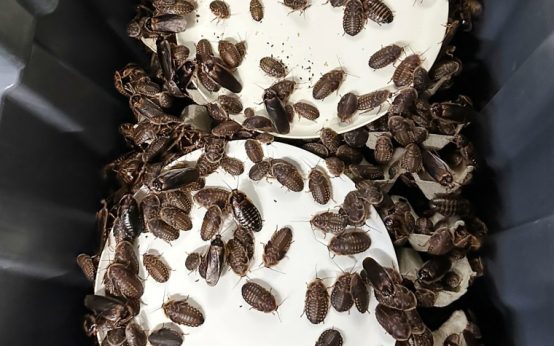 Australia’s Largest Seizure of Exotic Invertebrates: Over 100,000 Cockroaches Confiscated