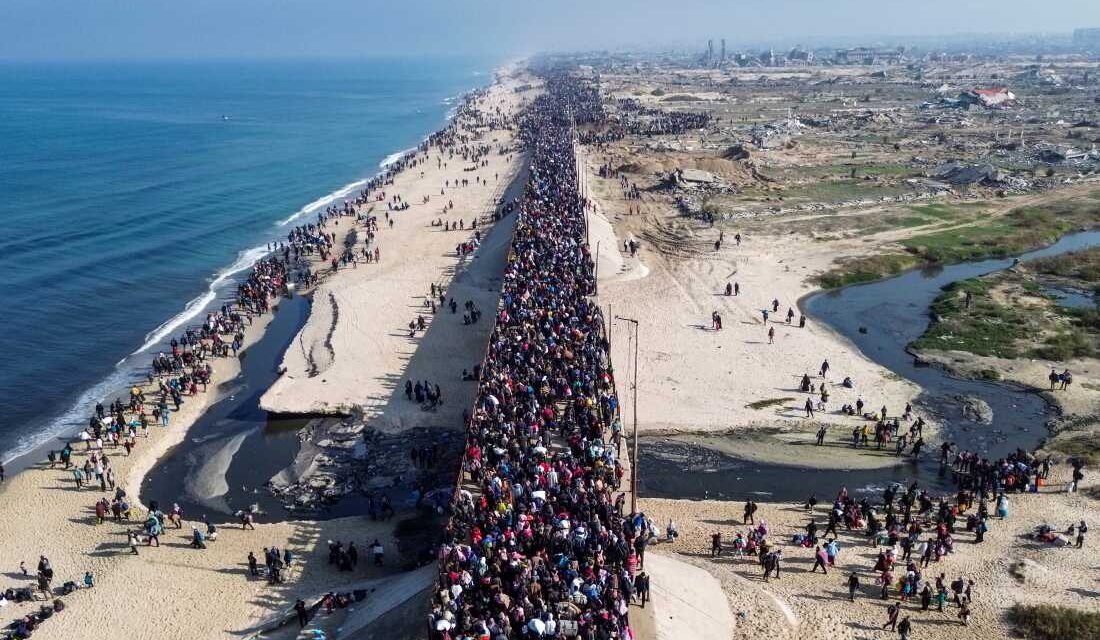
Recent aerial photos show displaced Gazans moving toward Gaza City on January 27, 2025, after crossing the Netzarim corridor from the southern Gaza Strip. This image reflects an increasing trend in global conflicts recorded in 2025, showcasing the highest number of interstate conflicts since World War II, paired with a staggering number of fatalities.
Record Number of Conflicts
Data compiled by researchers at the Uppsala Conflict Data Program (UCDP) at Uppsala University shows an alarming increase. The data recorded 65 active conflicts in 2025, including eight direct conflicts between states, marking the highest such number since UCDP began its records in 1946. These interstate conflicts included notable wars like those between Russia and Ukraine, and Iran and Israel, among others.
“We are seeing a clear increase in conflicts between states, indicating growing international tensions and a changing global security order,” noted Shawn Davies, a senior analyst at UCDP.
Rise in Fatalities
The year 2025 also registered significant fatality numbers, with approximately 244,600 conflict-related deaths, a rise from 187,000 in 2024. The violence especially escalated against civilians, exemplifying a dramatic increase in countries like Sudan.
Researchers categorized the violence into three main types:
- State-based violence including civil and interstate wars.
- Non-state violence involving clashes between non-governmental groups.
- One-sided violence targeting civilians, such as government crackdowns or attacks by rebel groups.
Deadliest Conflicts
The ongoing war between Russia and Ukraine was the deadliest, causing 62% of all battle-related deaths in 2025, which was closely followed by the Israel-Hamas war and the Sudan conflict.
“Russian battlefield losses have increased while Ukraine’s losses have remained stable,” stated the Uppsala researchers.
Underpinning Causes
Researchers suggest the increase in global conflicts may be linked to a shift in international order post-World War II. The study refers to the United States’ 2025 National Security Strategy as a reflection of these changes, leading to the notion that Pax Americana might be at risk.
Despite the complexity of global dynamics, co-author Therése Pettersson stressed that the rise in conflicts cannot be directly attributed to specific U.S. policy changes or political leaders.
Looking forward, 2026 doesn’t promise to be more peaceful, with early data suggesting the trend of rising conflicts is expected to continue.
 World Cup Day 5: Underdogs Shine, Superstars Dazzle
 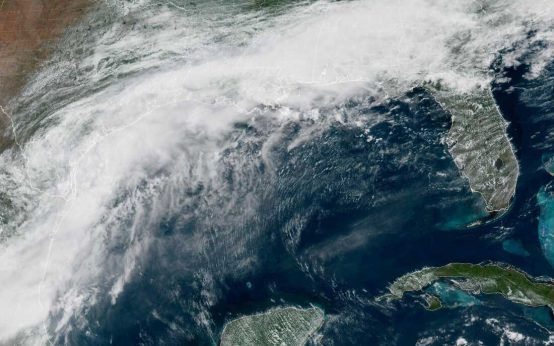 Storm System Near Gulf Coast Threatens Flooding
  U.S. Military Attacks on Alleged Drug Smugglers in Eastern Pacific Amidst Criticism
 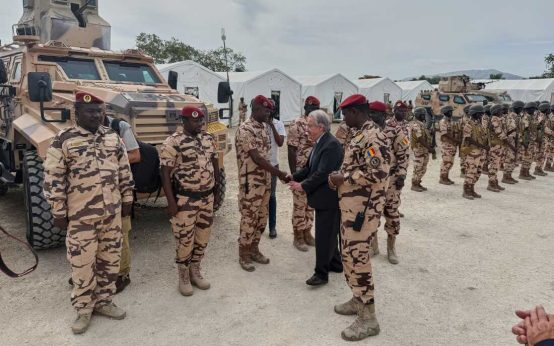 UN Secretary-General Guterres Addresses Crisis in Haiti
  World Cup Soccer and Its Influence on Community and Politics
 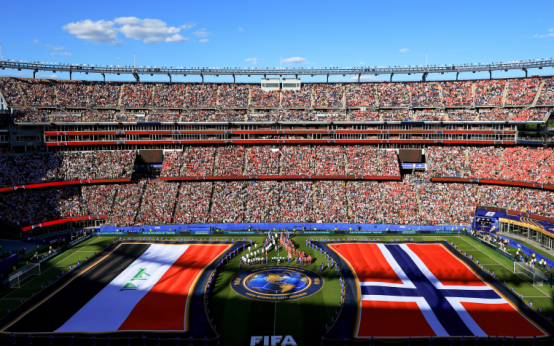 Norway Triumphs Over Iraq with Haaland’s Double Strikes