Florida lawmakers have reached a conclusion on the state budget, resolving key issues affecting education and healthcare. Following extensive negotiations, a deal was finalized on May 24, with expected approval by the end of the week. The budget highlights how education funding and healthcare services might transform, leaving Floridians anticipating these changes.
The budget safeguards Florida schools from funding reductions due to declining student numbers and continues supporting school choice programs. In healthcare, increased funding is allocated for cancer research and HIV treatment, maintaining critical care services statewide.
The fiscal year spending plan, starting July 1, totals nearly $115 billion. This figure falls under the Senate’s preference but exceeds the $113.6 billion the House proposed. The budget concludes prolonged conflicts regarding spending, fiscal control, and priority programs, as the regular session ended on March 13 without a deal.
Education
A key disagreement on Florida’s voucher and scholarship system was settled by integrating the $4.5 billion program for homeschool and private tuition into the main K-12 funding framework. This decision emerged after an audit exposed mismanagement concerns, leading the Senate to advocate for stricter oversight, opposed by the House.
The budget also ensures protection against significant cuts to districts with declining enrollments, addressing financial tensions in Union and Glades counties. A $7 million allocation for capital improvement at private schools in financially disadvantaged areas now focuses on rural counties with populations under 10,000.
Florida State University is authorized to use current funds to acquire Tallahassee Memorial Healthcare, subject to long-term payments and major investments. Additionally, the University of South Florida’s Manatee-Sarasota campus will transfer to New College of Florida after negotiations.
Healthcare
In healthcare, a compromise on the Cancer Innovation Fund, initially backed by First Lady Casey DeSantis, was reached. The fund receives $20 million, between eliminating funding and the Senate’s $30 million proposal.
The AIDS Drug Assistance Program is allocated $75 million after previous emergency funding neared expiration on June 30, addressing a gap that had pushed some patients to private insurance for medication access. A $50 million fund created by former Senate President Kathleen Passidomo was eliminated, although Health Innovation Council resources will continue to support medical technology initiatives.
Security funding for Governor Ron DeSantis post-office was excluded from the final budget, as the House rejected the Senate’s proposal for protection. Additionally, lawmakers did not agree on extending security to gubernatorial nominees following the August primary.
 Clarity Sought on U.S. Troop Levels in Europe Amid Policy Changes
  Xavier Becerra Advances in California Governor Race
 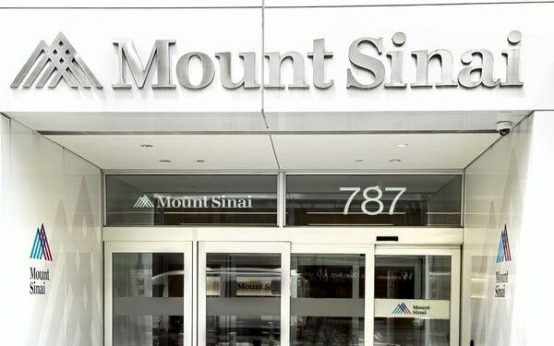 Mount Sinai Health System Faces Subpoena on Gender-related Care
  Pentagon Reduces Recognized Religious Affiliations
 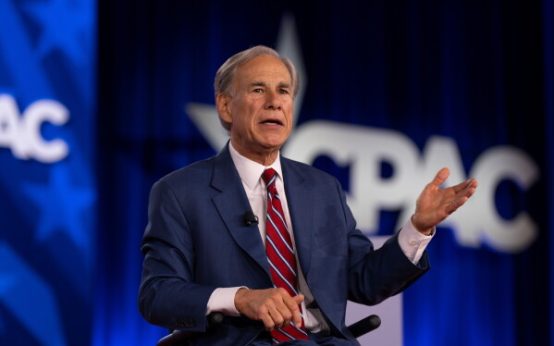 U.S. Military Awaits Pentagon’s Clarification on Troop Levels in Europe
  Xavier Becerra Advances in California Governor Race