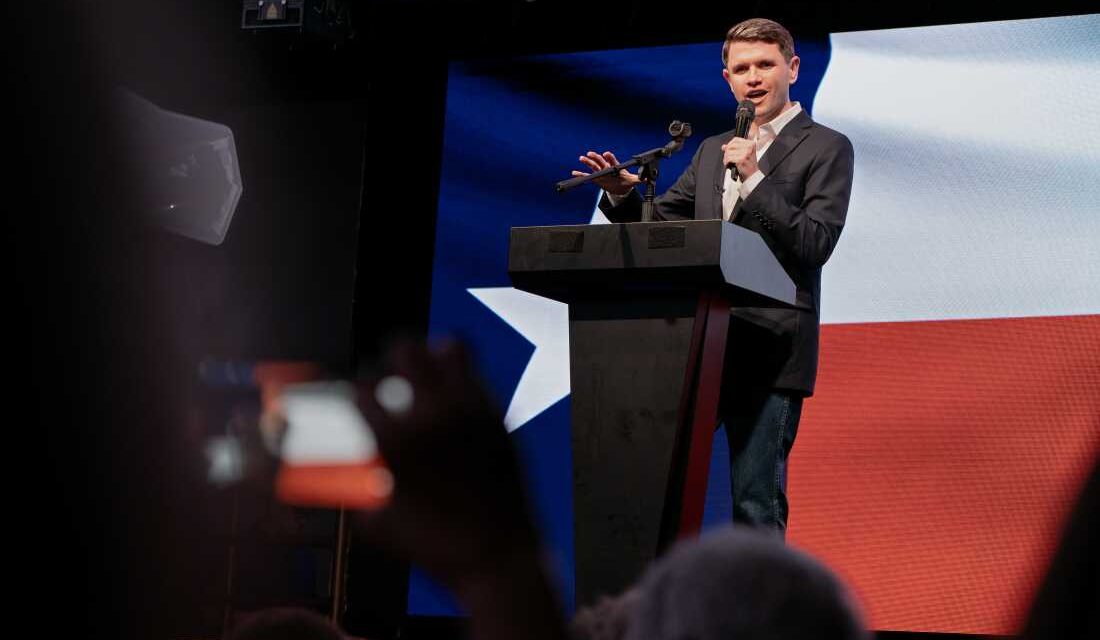
After Texas Attorney General Ken Paxton secured a victory in the Republican Senate primary, he launched several personal attacks against his Democratic opponent, Texas state Rep. James Talarico. Paxton’s supporters echoed laughter and cheers as he labeled Talarico with derogatory nicknames like “tofu Talarico” and “six-gender Jimmy.” An ad soon followed, branding Talarico as “too low-T for Texas.”
The tactic of using masculinity as a political weapon is one President Trump popularized within the Republican Party. Figures like Stephen Miller and Dan Weldon have joined the fray, using exaggerated claims about Talarico’s gender identity and questioning his familiarity with football. Despite the barrage, staunch criticisms like those from Jesse Watters highlight that the tactics are often based on distortions or false representations of Talarico’s lifestyle and beliefs.
Some of these attacks reference Talarico’s past comments or actions. For instance, his 2021 acknowledgment of chromosomes indicating a spectrum of biological variations resulted in ridicule from the right. Talarico has clarified that he believes in treating those with chromosomal differences with respect, a sentiment that has led to further attacks on his manhood.
Analyzing the implications of this strategy, Republican strategist Brendan Steinhauser suggested that appeals to “traditional masculinity” might resonate with some Texas voters. Conversely, progressive strategist Cliff Walker sees focus on masculinity as a distraction from economic issues and Paxton’s own legal troubles.
Trump’s influence in shaping this aggressive political discourse is evident. His fondness for characterizing opponents with emasculating labels echoes in Paxton’s rhetoric. The current political climate, with events like the construction of a UFC octagon on the White House South Lawn for UFC Freedom 250, underscores how integral themes of hypermasculinity have become.
Progressive strategists like Walker and experts like Dan Cassino note that Trump’s reshaping of gender narratives involves aligning with figures in the “manosphere,” emphasizing a stereotype of exaggerated masculinity. This trend has infused political dialogue with a heightened focus on testosterone levels and traditional male dominance.
The intense gendered dynamics in this Senate race reflect broader societal issues. Cassino believes the attacks stem partly from Talarico’s identity as a man challenging existing power structures. This notion of questioning hierarchy presents a perceived threat to traditional norms, exacerbating the fundamental political discussion around gender in modern politics.
 Justice Department Withdraws Plan for $1.8 Billion Fund
 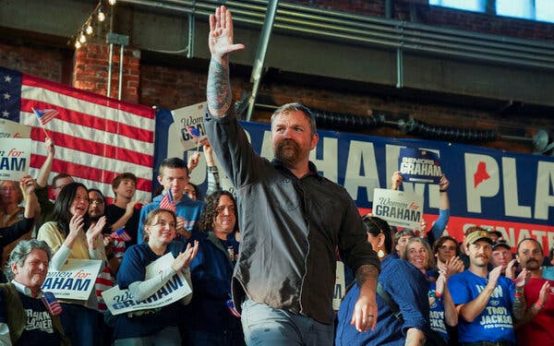 Democratic Concerns Grow Ahead of Maine Senate Primary
  New Jersey Struggles with Protests Near Immigration Detention Center
 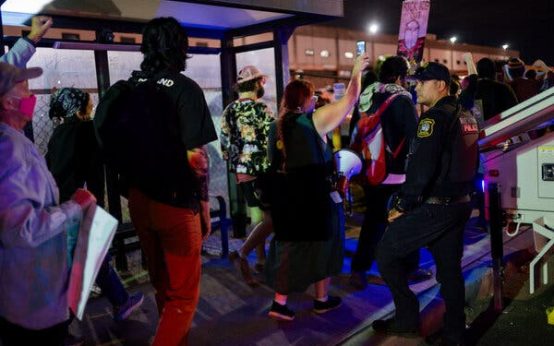 Newark Scales Back Police Presence at Detention Center Protests
  Investigation into Bus Company’s Network and Safety Violations
  Latin American Deportees in Congo: Return to Home Countries Amid Challenges