
Guatemala faces a critical challenge to safeguard around 60,000 testimonies documented in victim files from the internal armed conflict (1960-1996). These files represent claims for compensation for abuses suffered. The efforts must be completed before the progressive government of Bernardo Arévalo concludes in January 2028.
The National Program for Reparations (PNR) gathered these files over a decade following the Peace Accords in 1996, which ended the war. The program aimed to compensate victims through projects and financial reparations. In the past eight years, especially under former President Jimmy Morales (2016-2020) and Alejandro Giammattei (2020-2024), the program stagnated, neglected, and faced liquidation without safeguarding these testimonies.
According to Erick Briones, an archive assistant, the current rescue effort uncovered wet boxes, piled-up, incomplete, and damaged files
. This project, funded by UNESCO, seeks to recover the PNR archive and eventually designate it as a global documentary heritage, ensuring its preservation and accessibility to those interested in the historic experiences of the Central American nation.
Among the files is Manuel Botom Uz’s record, one of over 100 cases of missing children. His family stated that in 1982, he was four years old when he disappeared. The testimony reveals that he and his four siblings, all minors, were attacked in Quiché by the army and civilian self-defense patrol members controlling their communities. Botom Uz’s brothers were returned to relatives, but he vanished.
Two decades later, his remains were found and identified in a clandestine grave; his family conducted his burial after exhumation. Elvin Díaz, the presidential commissioner for human rights, emphasized that the efforts by Morales and Giammattei aimed to erase collective memory,destroying a heritage built over years based on victims’ testimonies.
Thus, recovering this memory and testimonies is crucial.
Díaz stated that while the PNR’s purpose was humanitarian aid and reparations, the archive contains important information for a criminal investigation.
In blue plastic boxes sorted by department, thousands of testimonies document extrajudicial executions, murders, sexual abuse, forced disappearances, and recruitment of men, women, and children during the conflict. Reports indicate a toll of 200,000 dead and 45,000 missing.
The project plans to digitize the archive for universal access. The United Nations Working Group on Enforced or Involuntary Disappearances, which visited Guatemala last month, noted a systematic policy of dismantling peace and justice institutions
mainly under Morales and Giammattei.
The records will join the recent Plan for Reparations and dignity for conflict victims announced by President Arévalo. This plan aims to integrate and centralize scattered information from public institutions and civil society organizations to progress victim reparations. Cases where disappearances continue will be part of the Humanitarian Search Mechanism for persons missing during the internal conflict in Guatemala.
 Netanyahu and Trump Discuss Iran and Regional Issues
  Vandalism at Medjugorje Shrine Sparks Investigation
  Strong Earthquake Shakes Kumamoto
 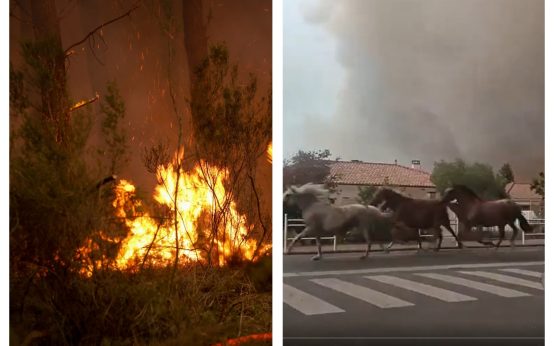 Wildfires Force Evacuation and Destruction in France and Spain
 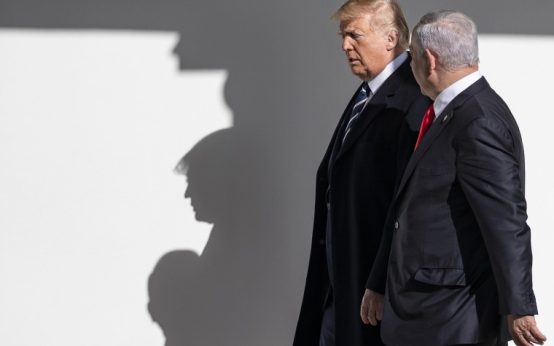 Trump and Netanyahu Meet Amid Iran War Tensions; Japan Earthquake Rocks Southern Region
  Japan Grapples with Major Earthquake