
White House Mandates Body Cams for ICE Traffic Stops
The White House has issued new guidelines requiring Immigration and Customs Enforcement (ICE) agents to use body cameras during traffic stops. This decision follows recent fatal shooting incidents, sparking discussions on law enforcement practices.
New Hampshire Lawmaker’s Traffic Stop: A Focus on Body Cams
Recently, a New Hampshire Democratic lawmaker, State Rep. Ellen Read, was involved in a legal dispute surrounding two traffic stops. One incident involved an officer’s claim of her driving at 107 mph. The absence of body camera or dashboard camera footage has become a central point in the ongoing legal proceedings. Read argues these stops breached a constitutional provision protecting lawmakers commuting to and from legislative sessions.
Rockingham County Sheriff’s Office does not employ body or dashboard cameras due to financial constraints, according to Major Christopher Bashaw from the department. Despite the existence of a Body-Worn and Dashboard Camera Fund created in 2021 by New Hampshire lawmakers, intended to help local law enforcement agencies acquire cameras, the Sheriff’s Office has not yet secured such funding.
Read maintains her support for body cameras and has expressed willingness to assist the Sheriff’s Office in acquiring them in future budgets. She stresses her readiness to finance body cameras despite questioning the financing of military gear and high-cost vehicles.
Constitutional Implications and Legal Perspectives
Read admits to speeding at 85 mph but disputes allegations of reckless driving. She defends her stance on legislative immunity regarding traffic stops, emphasizing that her claim does not negate legal action. Lawrence Friedman, a New England Law professor, clarifies that while the state constitution protects legislative business, it does not exempt legislators from law enforcement measures for traffic violations.
The New Hampshire Supreme Court did not immediately address Read’s constitutional challenge, reflecting the complexity of the legislative protection debate. The court’s stance indicates interest in lower court proceedings before issuing a verdict.
Bashaw reinforces that constitutional provisions should not shelter lawmakers from driving accountability. He highlights the intent to shield legislative duties from interference, not to exempt lawmakers from serious offenses like vehicular misconduct.
Friedman notes the historical context of the constitutional provision, which predates automobiles, suggesting potential need for modern reassessment to balance legislative protection and road safety.
 Justice Department Releases Biden Audio Files After Legal Battle
  Memorial Services and Political Updates: A Day of Tributes and Discussions
  Florida Executes Two Inmates on Single Day Amid Controversy
  Netanyahu and Trump Discuss Iran and Regional Issues
 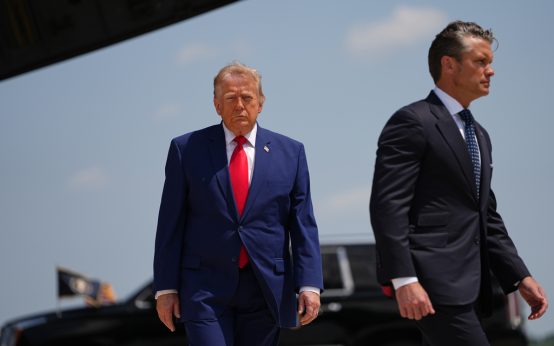 Political Maneuvering and Military Casualties: A Critical Examination
 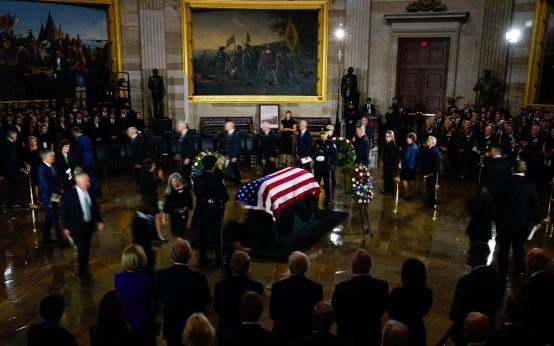 Political Updates: Graham’s Funeral, Trump Meets World Leaders, and Fauci’s Testimony