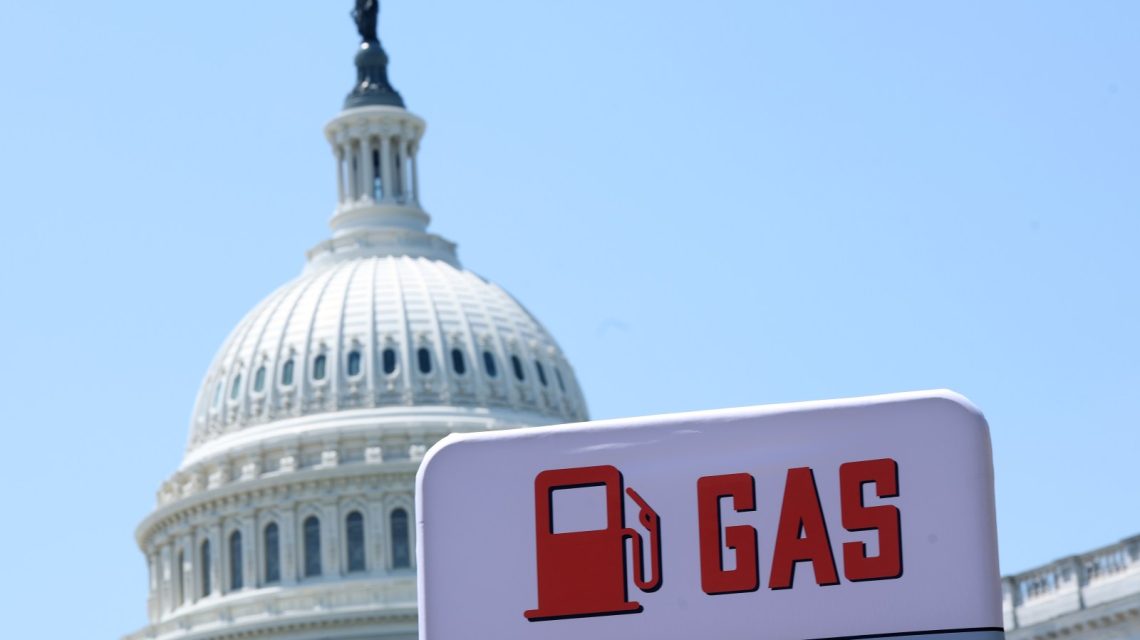
The ongoing conflict in Iran and the subsequent increase in fuel prices have drawn warnings from economists. Experts suggest this may act as a new long-term financial burden on American households. Beyond gas prices, concerns are rising that the conflict might drive inflation across the economy and delay potential interest rate reductions. These concerns were highlighted by the latest consumer price index from the Department of Labor. The report showed inflation surpassed wage growth for the first time since 2023, negating any recent pay raises Americans received.
Economist Justin Wolfers, from the University of Michigan’s Gerald R. Ford School of Public Policy, cautions that Americans might face this “Iran tax” for an extended period. The conflict primarily impacts energy prices. Oil prices have surged due to Iran’s blockade of ships in the Hormuz Strait, a transit route for 20 percent of global oil supply. This blockade has increased domestic gasoline costs.
Rising Fuel Costs
The American Automobile Association (AAA) reports that the national average price for a gallon of regular unleaded gas rose from under $3 before the conflict to $4.49, though a recent dip offered some relief. Research from Brown University’s Watson School of International and Public Affairs estimates that consumers have incurred nearly $48 billion in additional fuel expenses since the conflict started on February 28. This increase affects gasoline and diesel, with diesel prices increasing by over 50 percent, imposing an average extra cost of $364.40 per U.S. household.
Furthermore, according to Roger A. Pielke Jr. from the American Enterprise Institute, households face an average monthly increase of $410 due to rising costs in gas and products like jet fuel and fertilizer. The pressure of increased prices at gas stations and stores has escalated consumer inflation expectations, with year-ahead forecasts rising to 4.8 percent, according to the University of Michigan’s latest survey. The Department of Agriculture’s forecasts also indicate that prices for various goods may rise more than anticipated.
Economic Projections and Long-term Effects
The government remains optimistic, asserting that once military goals are achieved and the conflict ends, gas and commodity prices will revert to pre-conflict levels. In April, President Donald Trump asserted that prices would “drop like a rock” once the war concludes. In early May, National Economic Council director Kevin Hassett predicted that normalized shipments through the Hormuz Strait would lead fuel costs to fall “relatively quickly” before the upcoming midterm elections.
No Immediate Relief in Sight
However, many experts believe the economic impacts could persist even if the conflict ends promptly. Mark Zandi, Moody’s Analytics chief economist, noted that oil prices might remain elevated due to concerns that Iran could disrupt the Strait of Hormuz and global oil production at will. Mark Blyth, from Brown University, also highlighted that the strait’s closure has halted supplies of plastic, petrochemical feedstock, and fertilizers, predicting potential food price increases as farmers face slimmer margins.
Blyth stated that even if peace returned immediately, supply normalization could take up to a year. Justin Wolfers further mentioned that while ending the conflict would lower fuel costs, the decrease would not happen as swiftly as anticipated by the government. “What you hear out of the White House is [that] as soon as things clear up in the Middle East…what we’ll see is oil prices coming down,” Wolfers said. “That part is true, but they’re not going to come down very quickly.”
 U.S. and Allies Condemn Efforts to Overthrow Bolivian Government
  Pamela Hicks: Cousin, Bridesmaid, and Witness to History
  Latin American Deportees in Congo: Return to Home Countries Amid Challenges
  Controversy Surrounds Stabbing Incident of British Student
  Royal Cottages and Controversies: Financial and Legal Revelations
  Oak Lawn Librarian Supports Library Projects in Zimbabwe