Engagement with Taiwan
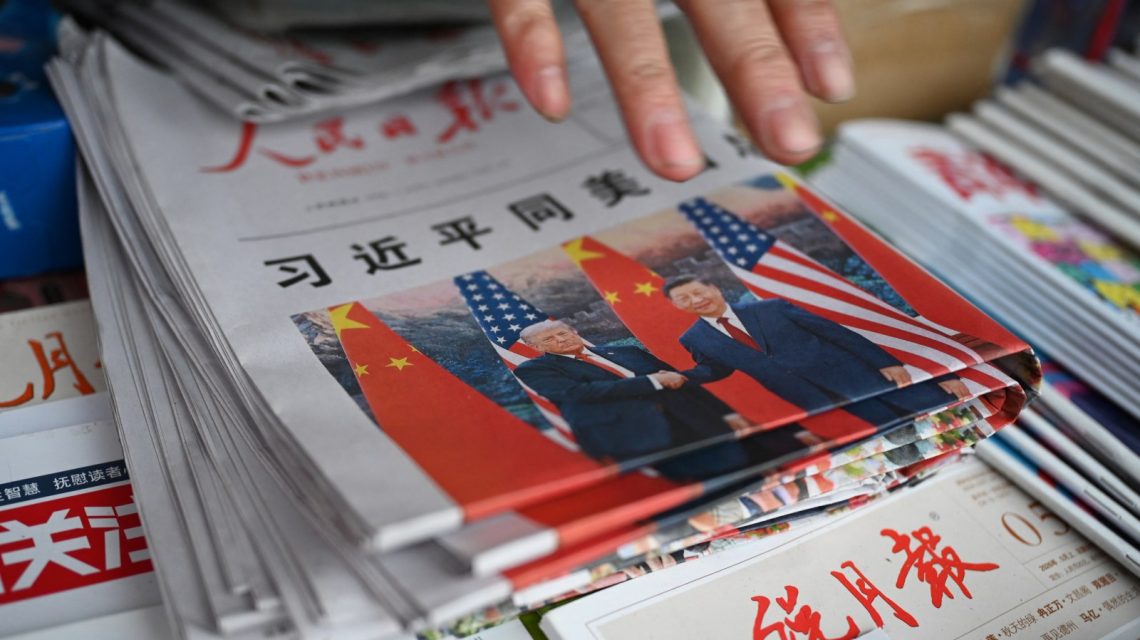
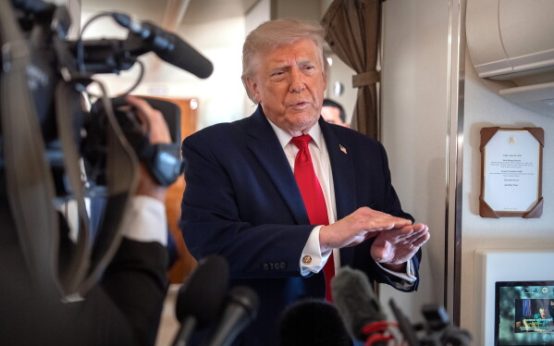
President Donald Trump indicated on Wednesday his intention to converse with Taiwan’s President Lai Ching-te regarding a stalled arms package, following his trip to China. This engagement always risks straining U.S.-China relations due to China’s stance on Taiwan. Trump, when questioned about a potential discussion, responded, “I speak to everybody.” He was queried on whether this conversation would occur before a decision on a $14 billion arms sale, which has been postponed for months at the State Department.
“We have that situation very well in hand,” Trump stated. “Our meeting with President Xi was incredible, you all witnessed it. We will address the Taiwan issue.” Historically, no sitting U.S. president has spoken with a Taiwanese counterpart since 1979, when formal diplomatic relations ended, although Trump broke this precedent during his first term.
Communication with Taiwan
Taiwan’s Foreign Ministry spokesperson, Hsiao Kuang-wei, mentioned to Newsweek that communication with the U.S. remains open. President Lai will express the importance of peace and stability in the Taiwan Strait for global security if given the opportunity.
“Our government upholds the status quo, balancing neither arrogance nor subservience. Taiwan safeguards peace and stability in the Taiwan Strait,”Kuang-wei said.
The Significance of Taiwan
Taiwan, governed democratically, ranks among America’s top trading partners. It is a global leader in producing advanced computer chips, crucial for devices ranging from smartphones to military hardware.
China’s persistent claims over Taiwan are a source of tension with the U.S., which is the main supplier of arms to Taipei. The Chinese President cautioned that differing views on Taiwan could lead to a severe conflict.
U.S. Secretary of State Marco Rubio reiterated in a NBC News interview that America’s position on Taiwan remains unchanged as of now.
“They always bring up this issue,” Rubio stated. “We clarify our position and proceed to other matters.”
Historical and Recent U.S.-Taiwan Interactions
The U.S.-China relationship has long grappled with the Taiwan issue, frequently leading to diplomatic issues. In 2022, Nancy Pelosi, then House Speaker, visited Taiwan, disturbing both Beijing and Washington D.C. She was the most senior U.S. figure to visit in 25 years, aiming to confront what she saw as authoritarianism.
The Biden administration, however, maintained its “one China” policy.
The Taiwan Arms Package
The proposed $14 billion arms deal has been under consideration for months, since its announcement in December 2025. This development arose as Taiwan faced increasing military threats from China, which seeks control of the island. The deal includes HIMARS rocket systems, anti-tank missiles, loitering drones, and anti-armor missiles, according to CNN.
After his China visit, Trump affirmed discussions on this deal with the Chinese leader, emphasizing his priority to avoid conflict.
Huang conveyed to Newsweek that China disrupts peace in the region, thus Taiwan must bolster its defenses.
“We appreciate President Trump’s focus on the Indo-Pacific situation. President Lai is eager to discuss this with him,” the spokesperson added.
A Chinese embassy spokesperson to the U.S. reminded Newsweek that the Taiwan question remains pivotal in U.S.-China relations, impacting the entire bilateral relationship.
“China insists the U.S. take tangible actions to maintain stability, adhere to ‘one-China’ policy and relevant communiqués, stop arms sales, and halt sending wrong messages to ‘Taiwan independence’ forces,” the spokesperson stated.
Trump may delay new weapons package approvals for Taiwan due to his invitation to President Xi for more talks in the U.S. in September and the APEC summit in December. Yet, Wednesday’s remarks suggested a preference for an expedited deal.
A White House source informed Newsweek that Trump will decide soon, aligning with longstanding U.S. policy since the 1950s.
 Justice Department Withdraws Plan for $1.8 Billion Fund
 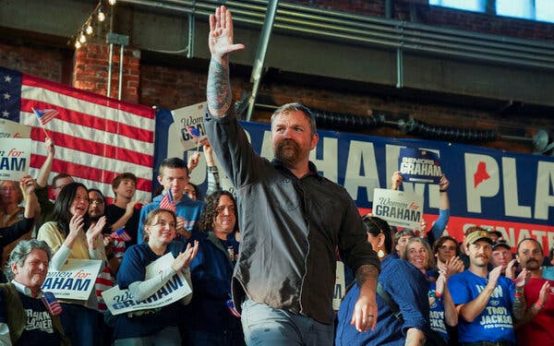 Democratic Concerns Grow Ahead of Maine Senate Primary
  Latin American Deportees in Congo: Return to Home Countries Amid Challenges
  Federal Judge Invalidates Trump-Era Immigration Policy
  Debate Over White House Ballroom Construction
  Scrutiny Surrounds Graham Platner Amid Maine Senate Primary