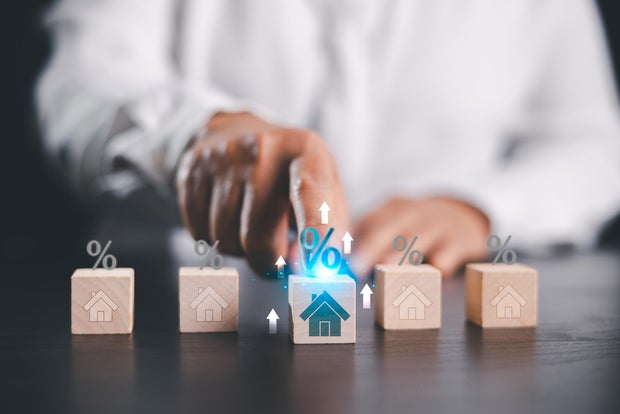
Inflation has reached its highest point in three years, impacting various sectors, including mortgage interest rates. The rates have climbed swiftly from the high 5% range to approximately 6.62%. This rise correlates with signs of inflation as mortgage rates continue to increase.
Niphon Phunnu/Getty Images
Experts weigh in on the future trajectory of mortgage rates amid persistently rising inflation due to global events, such as the ongoing conflict in Iran. The central question remains whether these rates will continue to rise and what the broader implications may be.
Predicting Mortgage Rates in an Inflationary Environment
While mortgage rate predictions cannot be guaranteed, given the steady rise of inflation since February, experts suggest rates will stay elevated. The Iran conflict exacerbates inflation, causing investors to sell mortgage bonds, pushing rates up further.
Jeff Taylor, a Mortgage Bankers Association board member, observes that homeowners can expect rates in the mid-to-upper 6% range for the year, with potential to rise to the 7% range if the conflict prolongs.
Bonds significantly influence mortgage rates. Higher inflation leads to higher bond yields, which in turn translates to higher mortgage rates. Brian Shahwan, a vice president at William Raveis Mortgage, highlights the connection between inflation, bond yields, and mortgage rate increases.
Federal Reserve Policy and Its Impact
The Federal Reserve’s policy plays a critical role in mortgage rates. Despite cutting rates thrice last year, no reductions have occurred in 2026, and forecasts indicate unlikelihood of any cuts. Nicole Rueth, Senior Vice President at CrossCountry Mortgage, notes that the probability of a Fed rate hike by year-end stands at 50%, with no rate cuts on the horizon.
Effects on Housing Affordability
Higher mortgage rates escalate monthly payments, impacting housing affordability in various ways. Inflation can drive home prices higher, especially for new constructions facing costlier materials and transport.
Brian Shahwan emphasizes that as borrowing costs rise, buyers may qualify for smaller loans or need to stretch budgets further. Inflation also reduces the purchasing power of buyers’ savings and affects their ability to make substantial down payments.
Nicole Rueth provides insight into how inflation erodes purchasing power, disproportionately affecting first-time buyers and lower-income households who already face financial strains.
Looking Forward: Anticipating Changes
Experts believe there may be a ceiling to rate hikes. Once the Iran conflict resolves, oil prices and inflation should stabilize, resulting in lower bond yields and, consequently, mortgage rates.
Kevin Watson, a home loan specialist, predicts that once market confidence restores, bond yields and mortgage rates will decline. Furthermore, a new Federal Reserve chair could influence rate policy to maintain rates below 7%.
Strategies for Managing Higher Rates
While mortgage rates remain high, homebuyers can employ strategies to mitigate expenses. Adjustable-rate mortgage products, relationship pricing, first-time buyer programs, and free rate float-downs can help manage monthly payments.
Shopping around for lenders, using mortgage brokers, purchasing discount points, or joining mortgage buydown programs can reduce the financial impact of current rates.
By exploring these options, borrowers can navigate the housing market effectively despite the challenges posed by rising inflation.
 Advantages of Homebuying in June
  A New Market Emerges: Northern Albania’s Prime Property Potential
  The Impact of Capping Rent Increases on Landlords
  Impacts of Standardizing Rent Increases on Small Landlords
  Chicago’s LaSalle Corridor Faces Challenges Amid Revitalization Efforts
  Tom Steyer’s Ambition to Solve California’s Housing Crisis