
Researchers have made an unexpected discovery that could lead to new methods for preventing the flu. By studying influenza replication, scientists found that various flu strains employ different methods to enter human cells. This finding, reported by SWNS, suggests that targeting specific molecules that viruses use can prevent them from infecting new cells and stop their replication.
Understanding Flu Strains
Different flu strains, including the common H1N1 and H3N2 influenza A viruses, cause illness. However, existing flu tests cannot distinguish between these strains, and treatment methods remain the same for both.
“The hope is that fundamental, curiosity-based research like this helps to pave the way for novel strategies to treat and prevent influenza infections,” said Dr. Emily Bruce from the University of Vermont’s Larner College of Medicine.
Although vaccines and antiviral medications exist, Dr. Bruce highlighted the urgent need for better treatments to stop viral spread. The illness occurs when a virus replicates and infects multiple cells.
New Study Findings
Published in The Journal of Virology, the study initially aimed to map how viral RNA moves within cells to form new viruses. Researchers used H1N1 and H3N2 viruses obtained from patients’ nasal passages in 2022. During this investigation, they discovered a pathway that blocked viruses from entering lung cells when specific proteins were depleted.
Rab11B, a human protein, was found crucial for H3N2 viruses to infect cells; however, H1N1 viruses were not affected. Through reverse genetics, researchers identified a unique, H3N2-specific role for Rab11B in viral entry.
This finding questions the prior belief that all flu viruses use the same cellular entry methods. Different viruses act like pirates using varied tactics to hijack a ship.
“We had previously thought that all flu viruses used the same way to get into a cell, but we discovered that this is not true,” Dr. Bruce explained. “H1N1 and H3N2 need different proteins to get in, and if you get rid of the right protein, a specific virus can’t get in.”
Though this study highlights a key cellular pathway, it was conducted with isolated cells. Further research is essential to explore the safety and efficacy of blocking Rab11B in a human respiratory system.
The research team plans future studies to determine if Rab11B dependency is a general trait of H3N2 or a specific characteristic of currently circulating strains.
 Researchers Escorted Out of Diabetes Conference for Criticizing Trump Administration
 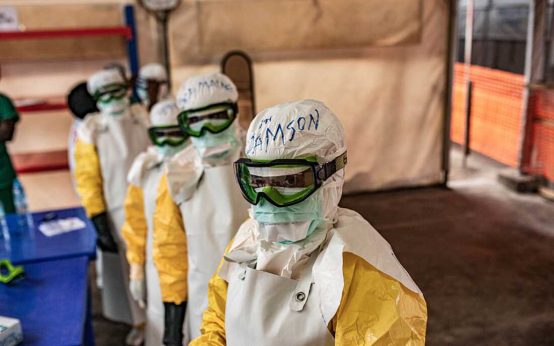 Ebola Outbreak in Africa: A Serious Concern
  Gold and the Ebola Outbreak in Congo’s Mining Towns
  House Passes Bill for Veterans’ Benefit Increase
 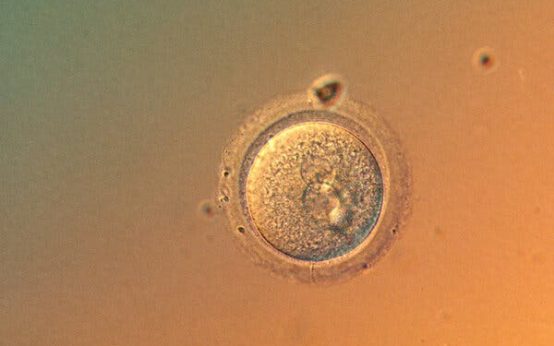 Gene Editing in Human Embryos at Columbia University
  Melinda French Gates Commits $215 Million for Global Women’s Health