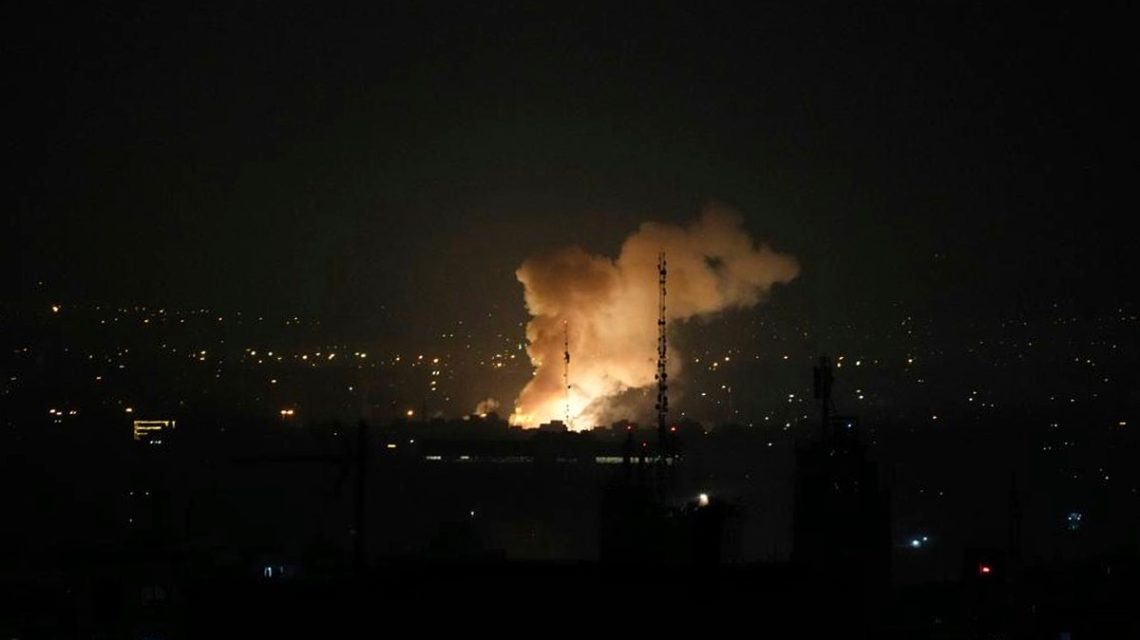
President Donald Trump has expressed optimism about achieving a nuclear agreement with Iran, even as peace talks face challenges due to recent Iran-Israel conflicts. Despite prolonged negotiations and unresolved disputes over uranium enrichment, Trump remains confident in reaching a successful deal.
Ceasefire Concerns
Trump’s call for an Iran-Israel ceasefire follows recent military exchanges that tested the fragile truce. The President, attending the NBA Finals at Madison Square Garden, assured reporters that an agreement is imminent, possibly within a few days. However, evidence of bridging core disputes remains scarce.
Since Operation Epic Fury, Trump has frequently claimed a deal is near, yet negotiations over uranium enrichment, sanctions relief, and Iran’s uranium stockpile remain stuck. Economic pressure on Iran, combined with the high costs of renewed conflict, may explain why Trump is hopeful about a resolution.
Strategic Optimism
Former National Security Council official Michael Singh believes Trump’s projection of optimism is strategic. He points out that neither the U.S. nor Iran seems willing to abandon diplomacy, despite recent military clashes. In May, Trump said the deal was largely negotiated and could conclude within days.
As the ceasefire appeared shaky, both Israel and Iran showed restraint, signaling a desire to avoid broader confrontation. Israeli Prime Minister Benjamin Netanyahu agreed to hold fire after discussions with Trump, while Iran ended its latest attacks without further provocation.
Evolving Negotiations
Negotiations still face significant hurdles, particularly around Iran’s nuclear program. Miad Maleki, a senior fellow at the Foundation for Defense of Democracies, notes Iran’s economic deterioration during the ceasefire, increasing pressure on the regime to consider negotiating positions.
The Trump administration insists Iran cannot continue uranium enrichment, arguing it poses a path to nuclear capabilities. Iran insists on its right to enrich uranium for energy, resisting proposals for a permanent halt to such activities.
Both economic and diplomatic pressures continue to impact negotiations, engaging analysts to view diplomacy as a viable strategy.
International Ramifications
The ongoing conflict has raised energy prices and disrupted global shipping, with analysts predicting prolonged economic impacts even if maritime traffic normalizes soon. Moody’s Analytics estimates the conflict has cost American households $100 billion over the past three months.
Trump’s stance on negotiations has caused disagreements with Netanyahu, with recent comments suggesting the Israeli Prime Minister must accept a U.S.-brokered deal with Iran. Ehud Eilam, a former researcher for Israel’s Ministry of Defense, highlights the strategic differences between the U.S. and Israel in addressing the Iranian threat.
The U.S.’s military aid and weapon transfers to Israel provide the Trump administration leverage in persuading Israel to accept a deal.
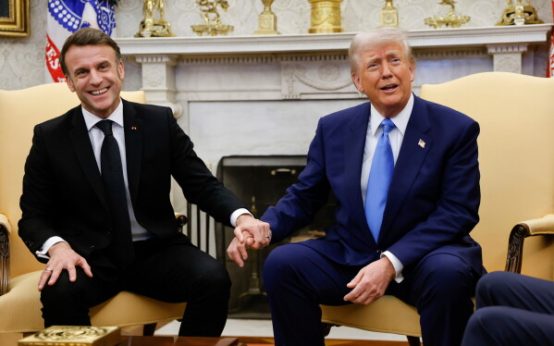 Progress in Iran War Negotiations as Key Players Signal Imminent Deal
  Peruvian Police Use World Cup Mascots to Arrest Suspected Drug Dealer
 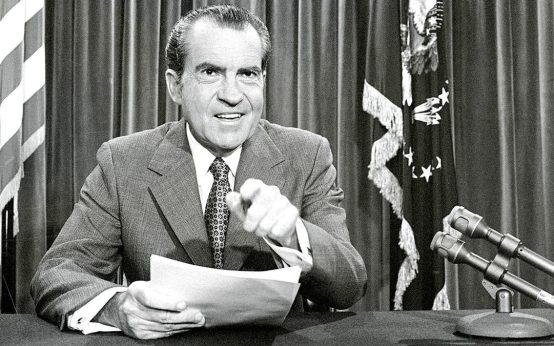 Former General Likens Trump’s Iran Strategy to Nixon’s Vietnam Bombing Campaign
  Protestas en Kinshasa por Propuesta de Cambio Constitucional
  Alexis Lalas Stirs Controversy During 2026 World Cup Broadcast
  U.S. and Iran Edge Closer to Agreement on Middle East Conflict