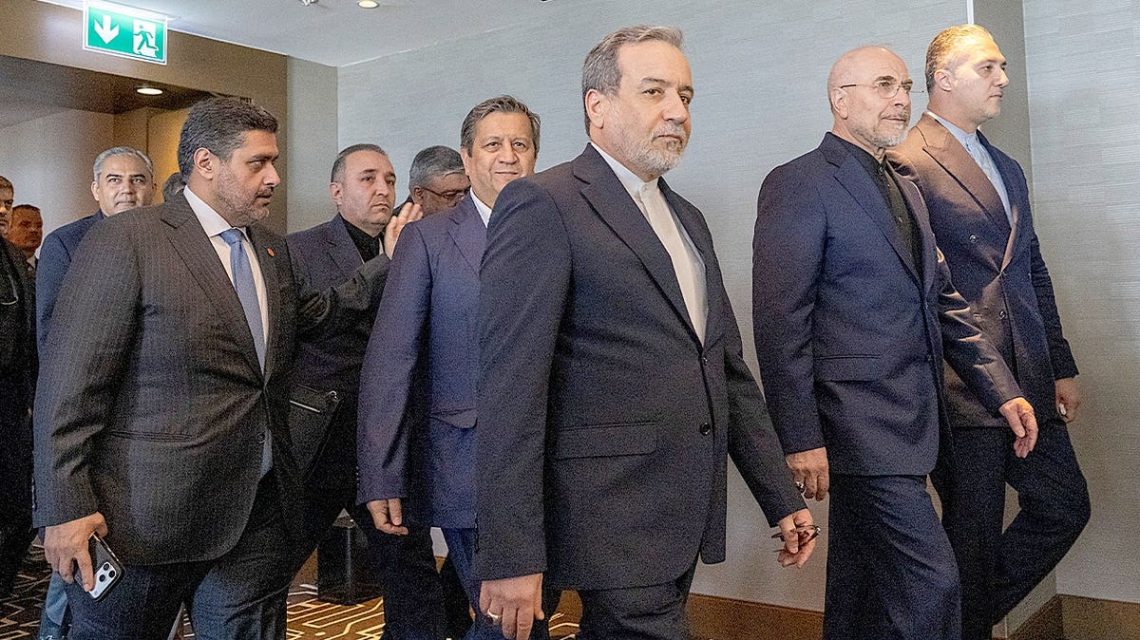
The recent discussions between Iran and the United States in Switzerland revealed Tehran’s emphasis on securing immediate financial benefits. This stance was highlighted by the Iranian delegation’s composition.
President Donald Trump and Iran’s President Masoud Pezeshkian previously signed a memorandum of understanding. However, subsequent talks were postponed, creating uncertainty. According to Dr. Omar Mohammed, an expert in counterterrorism, Iran sees this negotiation as crucial and is leveraging it strategically.
“These are the most consequential negotiations America has entered in the Middle East in years. Iran knows that, and it is playing it very well,” Dr. Omar Mohammed commented.
Iran sent a comprehensive ‘whole-regime’ team to the U.S. talks, signaling a focus on immediate financial objectives. Iranian state media reported that the delegation was led by chief negotiator Mohammad Baqer Qalibaf and Foreign Minister Abbas Araghchi, including high-level figures from security, finance, and energy sectors.
Dr. Mohammed explained that Iran deliberately expanded the delegation beyond diplomatic figures. The involvement of the foreign ministry, central bank, and energy sector reflects a strategy centered on money, leverage, and enforcing red lines.
The inclusion of Iran’s financial and energy officials indicates Tehran’s primary aim: cash flow and energy leverage. Abdolnaser Hemmati, governor of the Central Bank of Iran, and senior oil officials underscore this point.
Hemmati’s presence was significant, Dr. Mohammed noted, as it signals an intention to discuss monetary issues, such as frozen assets, sanctions relief, and currency management. The presence of oil officials suggests discussions about Hormuz and maritime security.
Iran’s legal representative, Kazem Gharibabadi, signifies potential legal challenges on verification and enforcement, aiming for concessions on Iran’s compliance.
The U.S. delegation, led by Vice President JD Vance and including Steve Witkoff and Jared Kushner, hopes to address nuclear concerns and regional issues like the Lebanon ceasefire.
During the talks, Vance expressed optimism for improved U.S.-Iran relations. He referred to the discussions as an opportunity for both countries to resolve longstanding issues.
In contrast, hardline voices within Iran, including Mahmoud Nabavian, expressed opposition. Nabavian quoted letters from Supreme Leader Mojtaba Khamenei urging compensation and control over strategic areas like the Strait of Hormuz.
The divergent approaches highlight the complex dynamics at play. Dr. Mohammed warned that if financial concessions are granted first, Iran may view it as a victory rather than a compromise.
According to Dr. Mohammed, if the U.S. meets demands for cash, oil access, and legal immunity while Iran retains control over strategic assets, the aim of achieving peace might be undermined.
Ultimately, Iran appears focused on maintaining its leverage. The current talks are paused, but not concluded, which signals ongoing strategic maneuvers by Tehran.
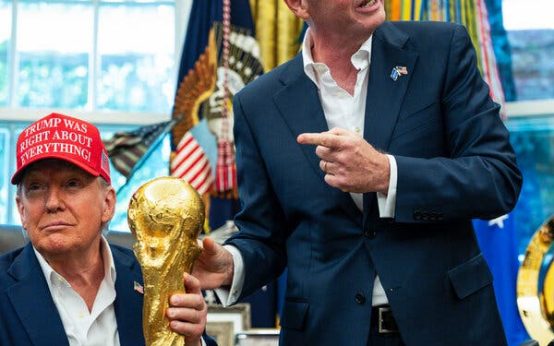 The Financial Impact of FIFA’s World Cup in the United States
 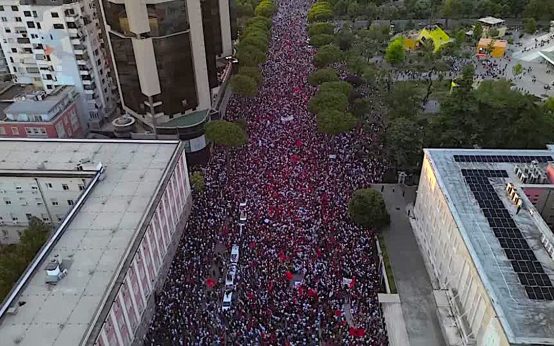 Albanians Demand Change Amid Corruption Allegations
  President Trump’s Announcement on UK Prime Minister’s Resignation
  U.S.-Iran Relations in Focus Amid Diplomatic Negotiations
 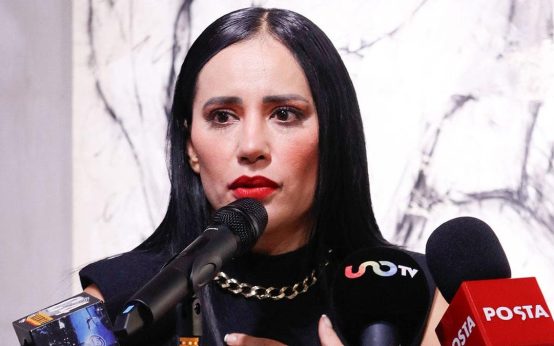 Sandra Cuevas Captures Attention at World Cup with Viral Celebrations
  Sen. Cory Booker Criticizes Trump’s Iran Memorandum