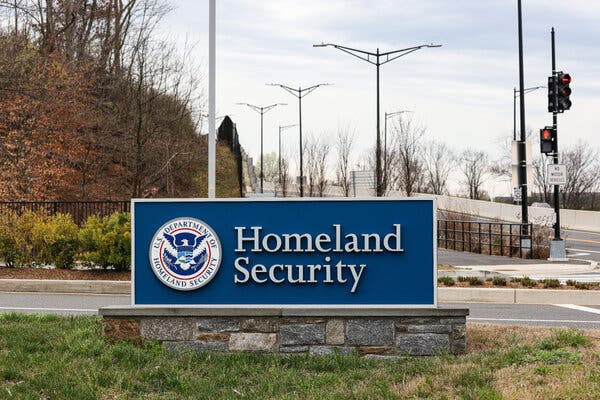
The Department of Homeland Security took steps to clarify recent announcements regarding green card procedures. Last week, the department stated that immigrants seeking permanent residency would generally need to leave the United States to await their green card, unless they qualified for ‘extraordinary’ exceptions. This announcement generated uncertainty and concern among many potential applicants.
On Friday, the department clarified its position. Officials explained that there has been no substantial alteration in policy. Individual immigration officers will continue to have the discretion to determine if an applicant must return to their home country. This discretion has always been within the officers’ authority.
A spokesperson from the Department of Homeland Security, who chose to remain unnamed, conveyed this update. They highlighted that the reminder simply reaffirms existing protocols, particularly concerning individuals who overstay their visas or are from countries with substantial public assistance use.
This information presents a marked change from the previous week’s announcement, which suggested a uniform requirement for applicants to leave the country. However, it does little to alleviate the confusion and concern among potential applicants due to the lack of specific details on implementation.
Furthermore, internal confusion within the Department of Homeland Security persists. Many employees remain uncertain about the full extent and implications of these changes. Despite the initial announcement being delivered via a news release, a senior official within the White House noted that the intent was not to shift policy dramatically but was considered a routine procedural reminder rather than a strategic overhaul. This official shared insights into internal discussions without revealing their identity.
As the situation continues to unfold, many await further clarification to understand the impact on those seeking permanent residency.
 Xavier Becerra Advances in California Governor Race
  Pentagon Reduces Recognized Religious Affiliations
  U.S. Military Awaits Pentagon’s Clarification on Troop Levels in Europe
  Xavier Becerra Advances in California Governor Race
  Graham Platner’s Campaign Amid Controversy
  South Carolina GOP Primary Heats Up as Trump Endorses Evette