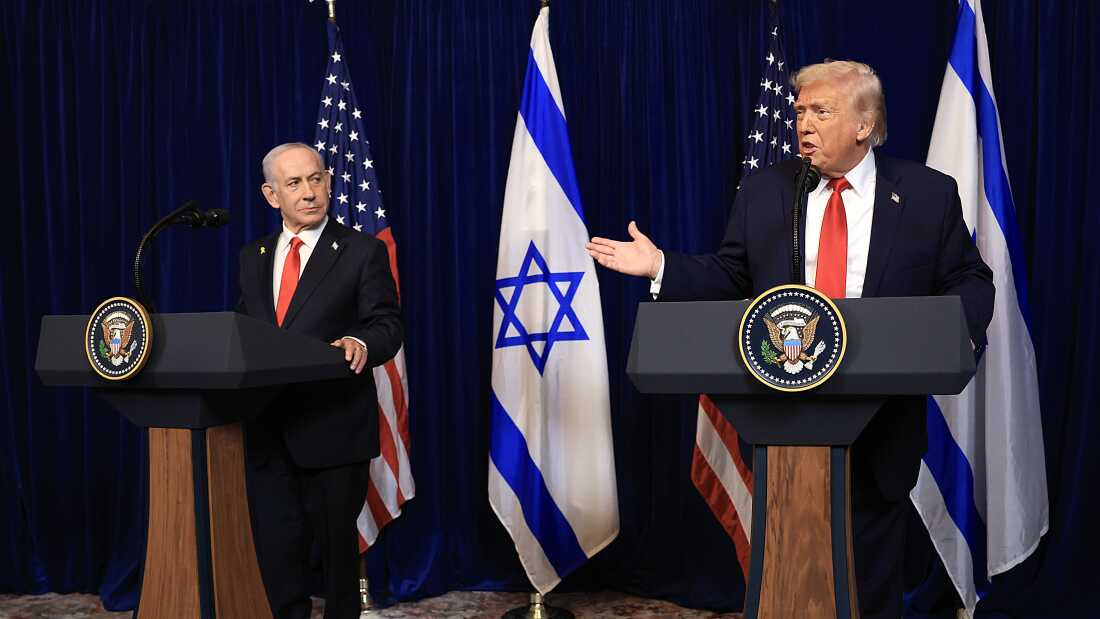
The conflict involving Iran is currently a contentious topic in the United States. President Donald Trump is pursuing a negotiated settlement. In contrast, a considerable segment of Israel’s population favors a military approach, seeking the defeat of Iran and its regional affiliates, including Hezbollah in Lebanon.
Israeli Prime Minister Benjamin Netanyahu is navigating complex political waters. He faces an upcoming parliamentary election that poses a significant challenge to his leadership. This election could potentially lead to a shift in power.
The joint initiation of the conflict by Trump and Netanyahu has now positioned them on divergent paths concerning its resolution. This divergence highlights differing strategic objectives between the two leaders.
Daniel Shapiro, a former U.S. ambassador to Israel, provides insight into Netanyahu’s current political strategies.
The public’s desire in Israel leans heavily towards asserting military dominance in the region. This pressure is impacting Netanyahu’s political maneuvers as he attempts to balance international diplomacy with domestic expectations.
If you want an ad-free experience of this and similar discussions, consider subscribing to Consider This+ through Apple Podcasts or at plus.npr.org. For queries, reach out at [email protected].
This episode’s production team includes Erika Ryan and Alejandra Marquez Janse, with audio engineering by Hannah Gluvna, and editing by Patrick Jarenwattananon. Courtney Dorning serves as the interim executive producer.
 China’s New Financial Restrictions on Global Market Engagement
  Potential Challenges and Prospects for the U.S.-Iran Framework Agreement
  Lionel Messi Shines at World Cup, Ties Record for All-Time Top Scorer
  Lionel Messi Scores in Fifth World Cup
  Powerful Earthquake Strikes Central Indonesia’s Sulawesi Island
  Exciting Matches Leave Fans Eager for More at the World Cup