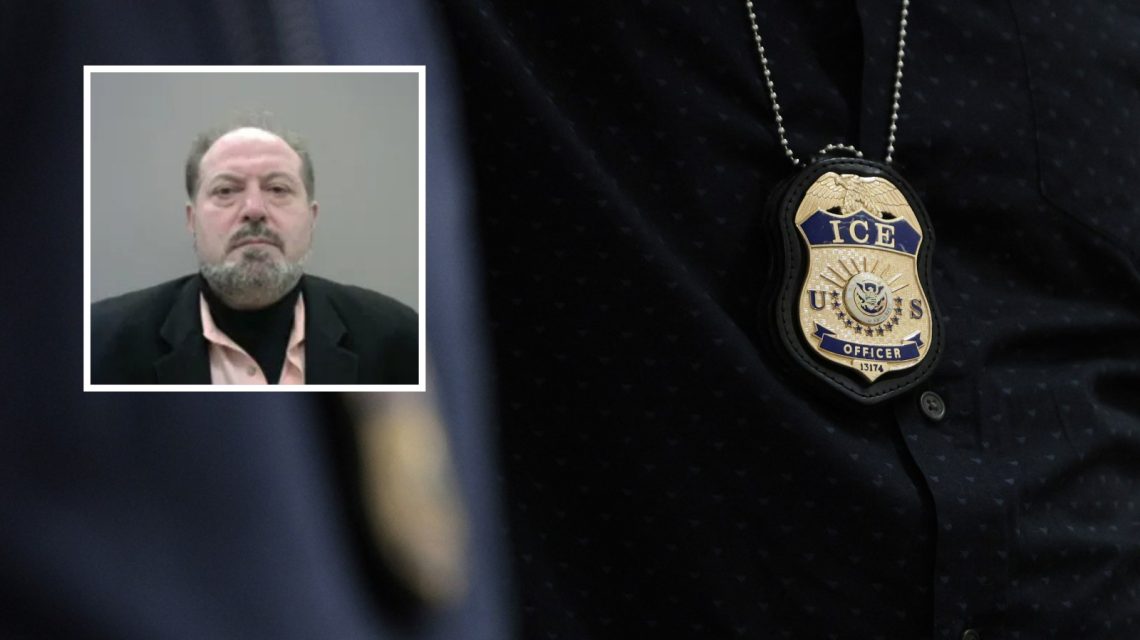
A federal judge, appointed by former President Donald Trump, mandated the release of Salah Sarsour, president of the Islamic Society of Milwaukee, from U.S. Immigration and Customs Enforcement (ICE) custody. This decision comes after Sarsour spent three months in detention.
In a detailed 29-page order, U.S. District Judge James Patrick Hanlon highlighted that Sarsour presented a substantial First Amendment retaliation claim. This could render his detention unlawful, especially after accusations from the Trump administration that he funded a terror organization. Sarsour, a lawful resident holding a green card for nearly 30 years, was accused by the Department of Homeland Security (DHS) of falsifying information on his 1998 application. Judge Hanlon questioned the timing of this enforcement.
Upon release, a large crowd greeted Sarsour outside the Islamic Society of Milwaukee. ‘Because of people like you, and people of freedom that stood with justice, that’s why I’m back. I owe this to my community,’ Sarsour expressed to the assembly, as reported by WTMJ in Milwaukee.
Background on Salah Sarsour
Sarsour initially applied for a visa in 1993 at the American Consulate in Jerusalem. It was denied due to allegations of violent activities against Israeli armed forces. Despite this, he entered the U.S. later in the year as a conditional resident. Five years on, he allegedly falsified details on his green-card application. Sarsour has denied these allegations, emphasizing his role in building community support and advocating for various causes in Milwaukee.
An official statement from the Islamic Society of Milwaukee after his detention highlighted Sarsour’s dedication to supporting community members and immigrants.
Judge’s Ruling
Sarsour’s speech is protected political speech.
Detention is a serious deprivation of liberty.
Evidence suggests a retaliatory motive by the federal government.
The judgment does not decide whether Sarsour will face deportation but examines the legality of his detention during his ongoing challenge. ‘The Court does not decide the ultimate outcome…or the merits of the charges of removability,’ Judge Hanlon noted, stating that the decision is centered on the strength of Sarsour’s claims for release.
First Amendment Implications
The crux of Sarsour’s argument is that his detention resulted from his advocacy for Palestinian rights. The court recognized his speech as core political expression safeguarded by the First Amendment. ‘Political speech [is] at the core of what the First Amendment is designed to protect,’ the court observed. It was underscored that noncitizens lawfully residing in the U.S. retain constitutional rights.
The court dismissed the government’s foreign policy concerns, asserting that such concerns don’t automatically override First Amendment protections.
Retaliation Evidence
Evidences pointed to the possibility that Sarsour’s advocacy influenced his detention. Among them:
- The government had been aware of past allegations for decades without taking action until recent years.
- Sarsour’s historical support for Palestinian human rights was public knowledge.
- His arrest coincided with a broader governmental crackdown on similar advocacy.
This evidence suggests that Sarsour’s speech could have influenced his detention decision. ‘There is no First Amendment right to fund terror organizations and lie on immigration forms. Any accusation of discrimination by ICE agents is FALSE,’ a DHS spokesperson informed Newsweek, remaining firm on the accusations.
Next Steps
While awaiting the outcome of his ongoing legal challenges, Sarsour must reside in Wisconsin, attend court hearings, and participate in immigration proceedings as mandated by Hanlon.
 Frank Stronach Convicted of Sexual Assault
  Luigi Mangione to Use Psychiatric Defense in Murder Trial
  Afghan National Pleads Not Guilty in DC Shooting Case
 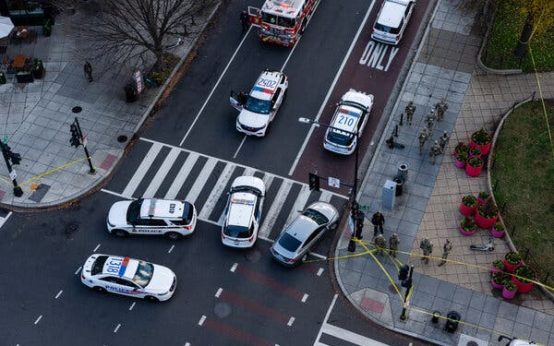 Federal Murder Charges Raise Death Penalty Possibility
  Florida Judge Orders Teen Held in Stepmurder Case
  Supreme Court to Decide on Six-Person Juries in Criminal Cases