
Resignation Announcement
Prime Minister Keir Starmer of Britain announced his resignation on Monday, following dissent within his Labour Party. Andy Burnham, the former mayor of Greater Manchester, is expected to become the next leader. Mr. Starmer will stay as prime minister until a new party leader is chosen by September. This shift marks Britain’s seventh prime minister in a decade, continuing political instability since the Brexit vote in 2016.
“Every decision I’ve taken has been about putting the country I love first. That is why I will resign as leader of the Labour Party,” Mr. Starmer said in front of No. 10 Downing Street. He expressed gratitude to his wife for her unwavering support.
Potential Leadership Change
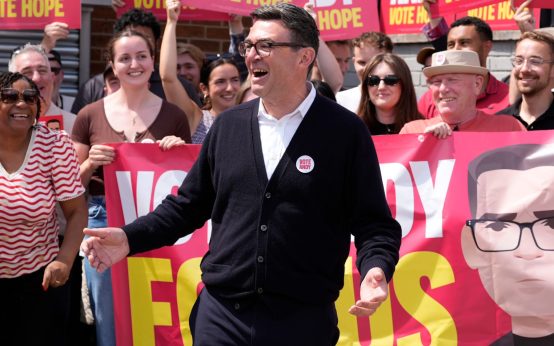
Mr. Burnham’s victory last week in a special election has bolstered his candidacy for prime minister. He expressed his intentions to replace Mr. Starmer through social media, highlighting the transition as an opportunity for party and national renewal.
Mr. Burnham received support from Wes Streeting, former health secretary and potential Labour leadership contender, suggesting a less contentious internal contest. Burnham’s focus is on delivering change for both the party and the nation.
Starmer’s Tenure and Challenges
Mr. Starmer became prime minister in 2024 after Labour’s electoral victory ended 14 years of Conservative rule. Despite a record-low vote share, he faced challenges, notably from appointing Peter Mandelson amid controversy and local election defeats in May.
Financial and Economic Implications
Markets reacted calmly to Mr. Starmer’s resignation news. The pound showed recovery against the U.S. dollar, and Britain’s government bonds adjusted favorably.
Uncertainty remains about Mr. Burnham’s economic plans. Concerns arose about potential increases in spending, affecting Britain’s debt levels. Burnham reassured investors, and the response in financial sectors was mostly stable.
Analysts from Investec noted the unchanged challenges for the U.K., despite leadership changes.
Labour’s Leadership Process
Labour’s leadership transition could take the form of a contest or a smoother process, depending on the number of candidates. Burnham stands as a favorite, but others like Al Carns may enter the race.
The process includes gathering support from party members and affiliated groups, with a new leader expected by September if a contest occurs.
Historical Context
Britain faces continued changes in prime ministers, an uncommon situation historically. Mr. Starmer joins a succession of leaders from David Cameron to Keir Starmer, reflecting political complexities post-Brexit.
Starmer’s successors could face challenges globally, including ongoing issues like Ukraine’s conflict and shifting U.S. foreign policy.
Deutsche Bank emphasized unresolved Brexit implications, affecting political stability in the U.K.
Conclusion
Political developments may lead to Labour’s internal changes, impacting its rivals like Reform U.K. calling for a general election. Andy Burnham’s approach to economic challenges and national governance remains a focal point as he steps into the political forefront.
 UK Prime Minister Keir Starmer to Resign Amid Party Pressure and Challenges
  Keir Starmer Resigns as UK Prime Minister Amid Labour Party Turmoil
  Keir Starmer Resigns as British Prime Minister Amid Party Pressure
  Colombian Presidential Runoff: Conservative Outsider Leads Through Conflict
  President Trump Issues Warning Over National Mall Vandalism
  Supreme Court Declines Review, Impacting Voting Rights Act