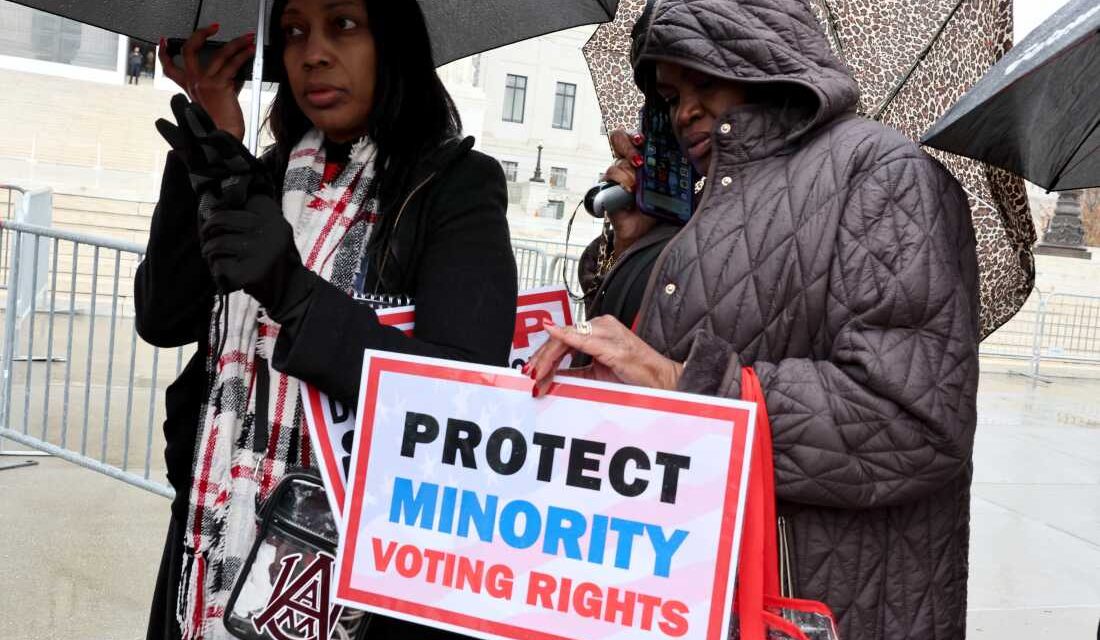
Supreme Court Action on the Voting Rights Act
In 2025, demonstrators gathered outside the U.S. Supreme Court in Washington, D.C., holding signs that read ‘PROTECT MINORITY VOTING RIGHTS.’ Their presence marked another chapter in the ongoing debate over voting rights protections in America. The Supreme Court announced it would not review a ruling from the 8th U.S. Circuit Court of Appeals based in Arkansas. This decision effectively halts a tool used under the Voting Rights Act to protect minority voters from discrimination in seven states, including Arkansas, Iowa, Minnesota, Missouri, Nebraska, North Dakota, and South Dakota.
Understanding the Implications
The ruling restricts the enforcement of Section 208 of the Voting Rights Act, which allows voters with disabilities or literacy challenges to receive assistance when voting. This section has been integral in protecting voters who require help from a person of their choice. Now, individuals and groups can no longer sue to enforce these provisions, significantly impacting voter assistance in these states.
Following recent actions by the Supreme Court, the already weakened protections of the Act are further diminished. In a previous ruling, the court undercut Section 2, which safeguards against racial discrimination in redistricting. This has subsequently led to changes in redistricting across the country.
Private Right of Action Debate
Historically, enforcement of the Voting Rights Act has relied on private lawsuits brought by individuals and organizations. Justice Neil Gorsuch’s 2021 opinion questioned the ability of private parties to sue, suggesting only the U.S. attorney general has such authority. Republican officials have since advocated this interpretation, potentially curtailing future voting rights lawsuits due to limited Justice Department resources.
Impact on Non-English Speaking Voters
The case before the Supreme Court originated from an Arkansas immigrant advocacy group, Arkansas United. They provided Spanish interpreters at polling sites but challenged a state law limiting assistance from non-poll workers to a maximum of six voters. Although a federal judge ruled this state law violates Section 208’s provisions, the 8th Circuit panel found private groups cannot bring such lawsuits, contrasting with decades of legal precedent.
 Keir Starmer Resigns as UK Prime Minister Amid Labour Party Turmoil
  Keir Starmer Resigns as Prime Minister Amid Labour Party Turmoil
 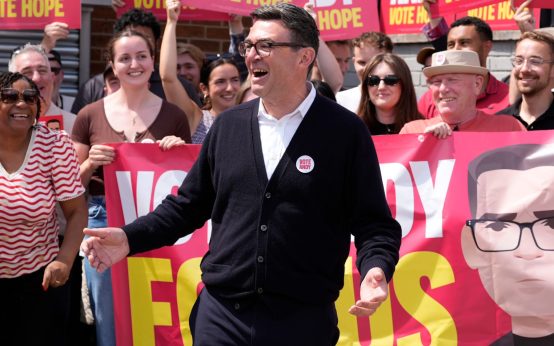 Keir Starmer Resigns as British Prime Minister Amid Party Pressure
 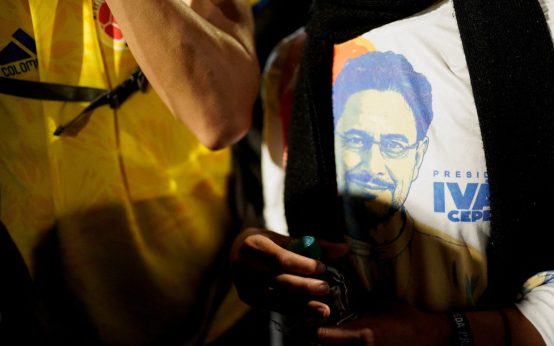 Colombian Presidential Runoff: Conservative Outsider Leads Through Conflict
  President Trump Issues Warning Over National Mall Vandalism
 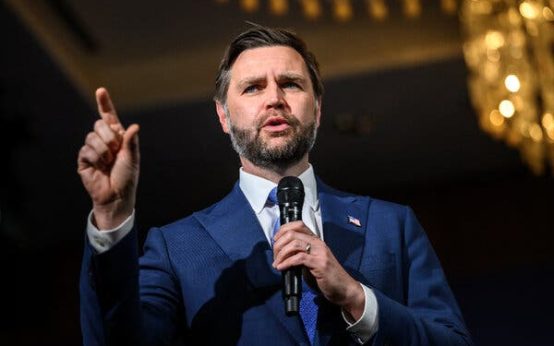 U.S.-Iran Negotiations Aim to End Conflict