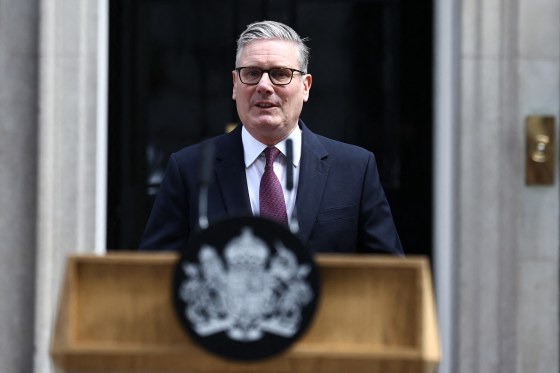
British Prime Minister Keir Starmer has announced his resignation following increasing pressure from within his Labour Party. His decision opens the possibility for Andy Burnham to potentially become the new leader. Starmer’s resignation makes the next Prime Minister the seventh within a decade.
Speaking outside No. 10 Downing Street, Starmer ended weeks of growing speculation. Starmer had secured a landslide victory in the 2024 election by capitalizing on widespread discontent with 14 years under Conservative rule. However, his political standing suffered due to scandals and unpopular policy decisions.
Following disappointing local and regional election results in May, with Nigel Farage’s Reform UK achieving significant gains, calls for Starmer to resign intensified. Labour’s internal discontent saw key Cabinet ministers, such as Health Secretary Wes Streeting and Defense Secretary John Healey, resigning and publicly criticizing Starmer’s leadership.
Andy Burnham, currently the mayor of Greater Manchester, is seen as the likely successor. Burnham has openly discussed plans for a leadership challenge and re-entered Parliament through a special election, empowering him to potentially lead the party.
Burnham’s political strategy centers on change, aiming to reinvigorate the country’s political landscape. His recent electoral victory adds momentum to his potential leadership challenge. Known as the “King of the North,” Burnham advocates strongly for northern England and retains widespread support within the party.
One of Starmer’s major controversies was the appointment of Peter Mandelson as the U.S. ambassador, despite Mandelson’s links to Jeffrey Epstein. Starmer faced accusations of misleading officials regarding Mandelson’s appointment, leading to Mandelson’s eventual removal.
Starmer’s tenure was marked by economic challenges, partly due to Brexit and global conflicts, placing constraints on significant reforms. His economic policies and decisions to scale back major projects have faced criticism, even from allies.
Starmer’s foreign policy stance, including his decision to avoid involvement in the Iran war, earned him some international praise. However, his domestic political weaknesses persisted.
The Labour Party’s next leadership election will require candidates to secure support from 20% of Labour MPs. If multiple candidates qualify, a party member vote will determine the leader. With Burnham as the favorite, some hope for a smooth transition without a prolonged contest.
Starmer previously committed to contesting any leadership challenge, but Burnham’s significant victory and the overwhelming party support suggest a shift is imminent. Burnham’s successful by-election campaign exemplified his capacity to effectively communicate and engage with the public.
Starmer, known for his working-class roots, rose to prominence as a barrister and later served as director of public prosecutions. Elected as an MP in 2015, he revitalized the Labour Party following its 2019 electoral loss, but his recent struggles have led to a reconsideration of leadership options.
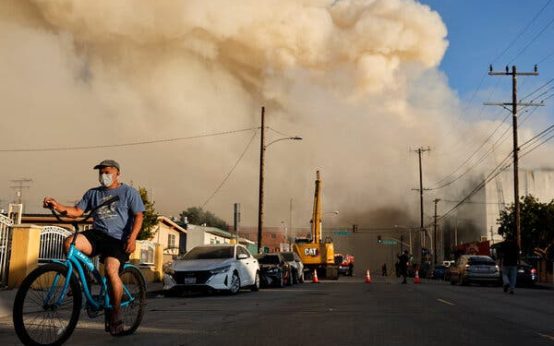 Warehouse Fire in L.A. Spreads Smoke Across Region
  Tesla Autopilot Crash in Texas Results in Fatality
 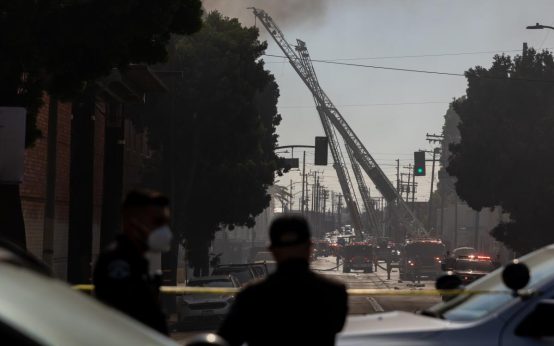 Boyle Heights Warehouse Fire: Safety Tips and Updates
 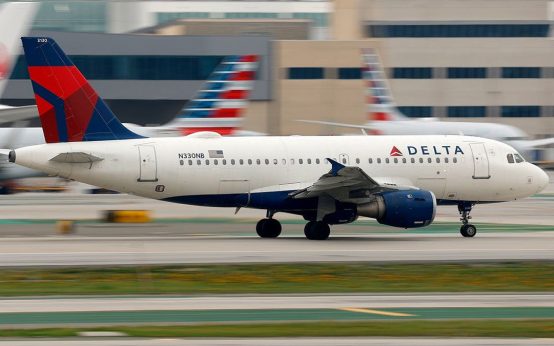 FAA Investigates Delta Flight Go-Around at Boston Logan
  Heat-Related Deaths at Grand Canyon Amid Extreme Temperatures
 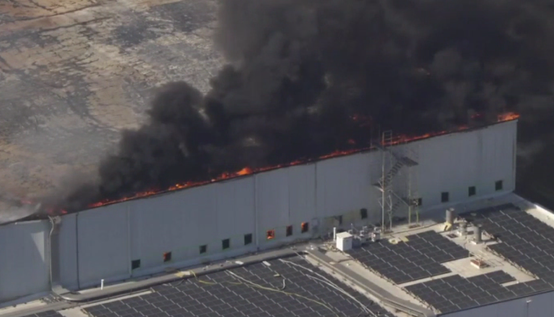 Local Emergency Declared as Firefighters Battle Boyle Heights Cold Storage Facility Blaze