
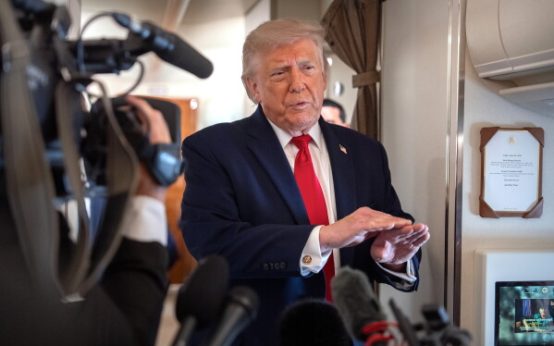
President Donald Trump signed an executive order requiring banks to scrutinize the citizenship of their clients more closely. This move is part of the administration’s effort to clamp down on individuals residing in the country without authorization. The order mandates that banking regulators and government departments look for signs of individuals without legal status opening accounts or securing loans or credit cards.
While the order is less stringent than anticipated, previous reports suggested the White House was drafting a directive to mandate the collection of customer citizenship information. The White House claims banks face credit risks if a client is deported and unable to repay a loan. The administration declared it would not allow financial system risks from lending to inadmissible and deportable individuals.
Banks have never collected customer citizenship or immigration status data, leaving no reliable public figures on the financial risks these customers pose. A study by the Urban Institute estimated 5,000 to 6,000 mortgages were issued to clients with Individual Taxpayer Identification Numbers (ITINs). ITINs are often used by undocumented workers instead of Social Security numbers. The study found banks were generally hesitant to lend to ITIN holders. Major mortgage corporations like Fannie Mae and Freddie Mac also show reluctance, making it unlikely for ITIN holders to secure mortgages.
For weeks, the White House signaled a plan for some executive order affecting how banks manage clients without legal authorization. Treasury Secretary Scott Bessent mentioned last month the need for stricter rules when opening bank accounts, questioning why individuals of unknown nationality can open accounts. He emphasized that bank executives should ‘know their customers,’ questioning how well they can know them without understanding their legal status.
The banking industry has lobbied aggressively to prevent a mandate for collecting customer citizenship status, citing high costs and extensive paperwork. As the order only makes a recommendation, not a requirement, it seems banks have persuaded the White House. Immigrant rights advocates argue any order requiring banks to collect citizenship data would likely push unauthorized immigrants out of the financial system.
The White House has taken other actions to discourage unauthorized workers from engaging with the financial system. In November, the Treasury Department announced it would reclassify certain refundable tax credits as ‘federal public benefits,’ preventing some immigrant taxpayers from receiving them despite filing taxes, paying taxes, and meeting other requirements.
Tax experts highlight that immigrants brought to the United States illegally as children, known as DACA recipients, and those with Temporary Protected Status would be significantly affected by these changes.
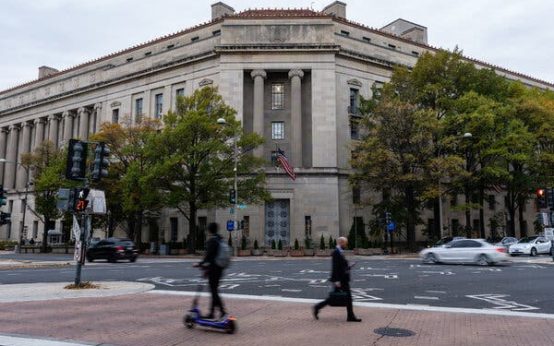 Justice Department Withdraws Plan for $1.8 Billion Fund
  Democratic Concerns Grow Ahead of Maine Senate Primary
  Latin American Deportees in Congo: Return to Home Countries Amid Challenges
  Federal Judge Invalidates Trump-Era Immigration Policy
  Debate Over White House Ballroom Construction
  Scrutiny Surrounds Graham Platner Amid Maine Senate Primary