In April, a significant shift occurred in U.S.-Mexico relations when the United States indicted Rubén Rocha Moya, the governor of Sinaloa, a Mexican state. This move marked a departure from the traditional calls for cooperation on crime. Instead, it demanded action against the political structures that enable cartel influence in Mexico. The situation involved accusations of drug trafficking facilitation and protection of cartel members in exchange for bribes, involving Mr. Rocha and other officials.
The indictment illustrates potential infiltration of cartel influence within Mexico’s ruling party, Morena. Allegations suggest Rocha’s political rise in 2021, potentially bolstered by the Sinaloa Cartel, underpinned his governorship. Rocha, long associated with former President Andrés Manuel López Obrador and Morena, denies these charges; however, the implications extend beyond him. This case presents a sovereignty test, impacting party loyalty and political dynamics in Mexico, while raising tensions between Washington and Mexico City.
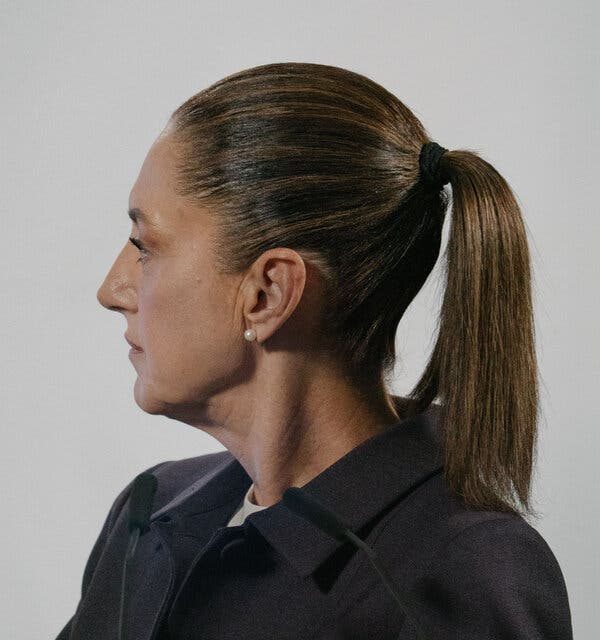
President Claudia Sheinbaum faces a complex situation. Moving against Rocha by allowing extradition or distancing politically could reveal internal fractures and risk claims of bowing to U.S. pressure. Conversely, inaction, especially with compelling evidence, could exacerbate U.S. concerns over her commitment to addressing cartel corruption within her administration.
However, Sheinbaum has an opportunity to transform these external pressures into a means to initiate significant reforms. Cleaning her party and addressing narcopolitics could redefine political dynamics in Mexico. The intertwining of crime and politics predates Sheinbaum’s tenure. Mexico’s transition to democracy in 2000 disrupted longstanding controls, leading to fragmented power that cartels exploited for protection and political influence.
Morena, established by López Obrador and now governed by Sheinbaum, emerged with a promise to distance from this violent legacy. López Obrador’s approach, encapsulated in ‘hugs, not bullets,’ aimed to decrease violence through social programs instead of direct confrontation. Although the strategy sought to reduce bloodshed, it sometimes enabled cartels to expand their control and influence.
As the Trump administration amplified efforts through threats of tariffs and potential actions on Mexican soil, parts of Morena face allegations of narco-corruption, contradicting the promises of reform. The unfolding situation challenges Mexico’s government to navigate between external pressures and internal political realities.
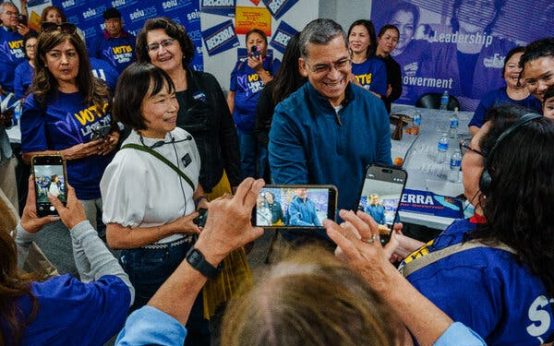 Xavier Becerra Advances in California Governor Race
  Pentagon Reduces Recognized Religious Affiliations
 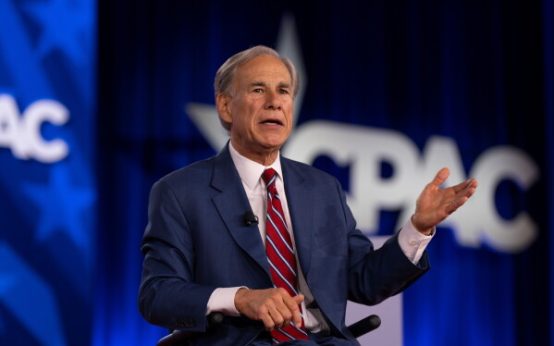 U.S. Military Awaits Pentagon’s Clarification on Troop Levels in Europe
  Xavier Becerra Advances in California Governor Race
 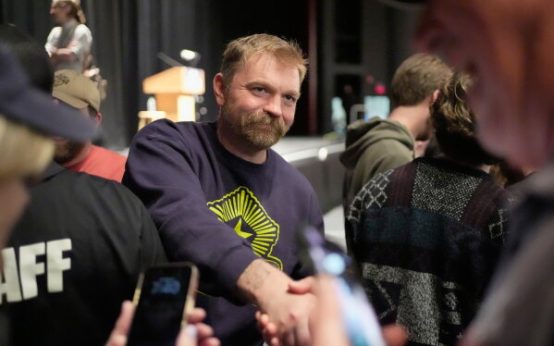 Graham Platner’s Campaign Amid Controversy
  South Carolina GOP Primary Heats Up as Trump Endorses Evette