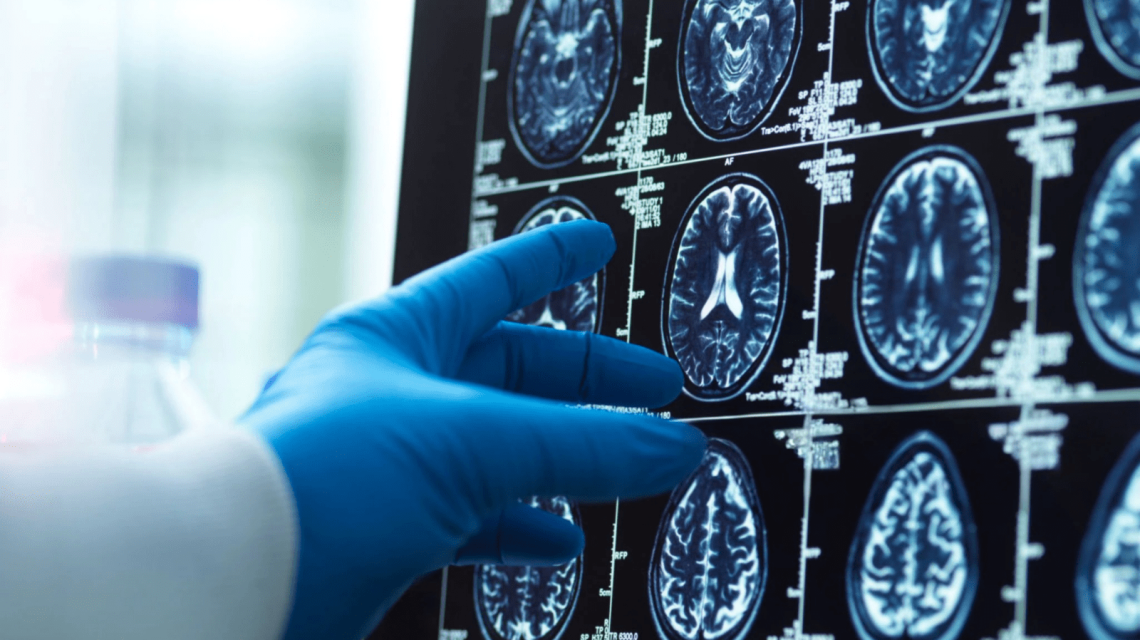
Scientists have made a significant discovery that could change how Alzheimer’s and Parkinson’s diseases are treated. Researchers at Baylor College of Medicine published a study in Nature Communications revealing that the protein tubulin might prevent damaging changes in the brain linked to these diseases.
Alzheimer’s disease is associated with tau protein buildup, while Parkinson’s involves alpha-synuclein aggregation. Both can misfold, forming harmful clumps that deteriorate neurons, leading to problems with memory, cognitive function, and movement.
Historically, efforts have targeted clearing these clumps. However, the study suggests encouraging proteins to act normally might be more effective than trying to block them entirely. Ram Bishnoi, MD, MBA, an associate professor, stated the study presents “a concrete, testable mechanism” for making these proteins function correctly.
Tubulin, known for forming microtubules, acts like a molecular switch. It influences whether tau and alpha-synuclein are toxic or beneficial. In cellular compartments called condensates, tubulin interacts with these proteins, competing for binding sites and preserving their functional shapes.
Without tubulin, these compartments shift, leading to harmful clumping of tau and alpha-synuclein. Bishnoi further explained that reducing tubulin levels in cell models resulted in increased dangerous protein buildup and neuron loss, highlighting tubulin’s protective role.
The study indicates eliminating condensates isn’t necessary. Instead, the presence of tubulin in these compartments is crucial. Bishnoi noted, “It’s not the condensate itself that’s good or bad, it’s whether tubulin is in the room.”
This insight could change treatment approaches, aiming to encourage beneficial protein behavior instead of eliminating deposits entirely. Tau and alpha-synuclein have normal brain functions, and blocking them completely can disrupt healthy activity. Bishnoi emphasized a balanced strategy, asking how to maintain high tubulin levels to prevent harmful formation.
Findings correlate with clinical observations of early microtubule network decline in Alzheimer’s, which may be an upstream intervention target. Nonetheless, results are from laboratory and cell-model experiments, needing validation in animal models and human studies.
Bishnoi remarked that developing microtubule-targeting drugs is challenging since microtubules are critical throughout the body. He mentioned, “Animal studies are the obvious next step.”
He added that the research provides a clear path for future exploration. “This is a mechanistic insight that strengthens the case for a ‘redirect rather than demolish’ strategy,” he said, viewing tubulin as a potential lever rather than a confirmed treatment.
 Medicare Initiative to Lower Cost of Weight-Loss Drugs for Seniors
  Pakistan Plans to Remove Sales Tax on Menstrual Products
  Medicare’s GLP-1 Bridge Program: Access and Challenges
  Understanding Kids and Melatonin: Insights from Sleep Experts
  AI’s Role in Detecting Heart Damage Through ECGs
  Concerns Over Proposed NIH Grant Changes