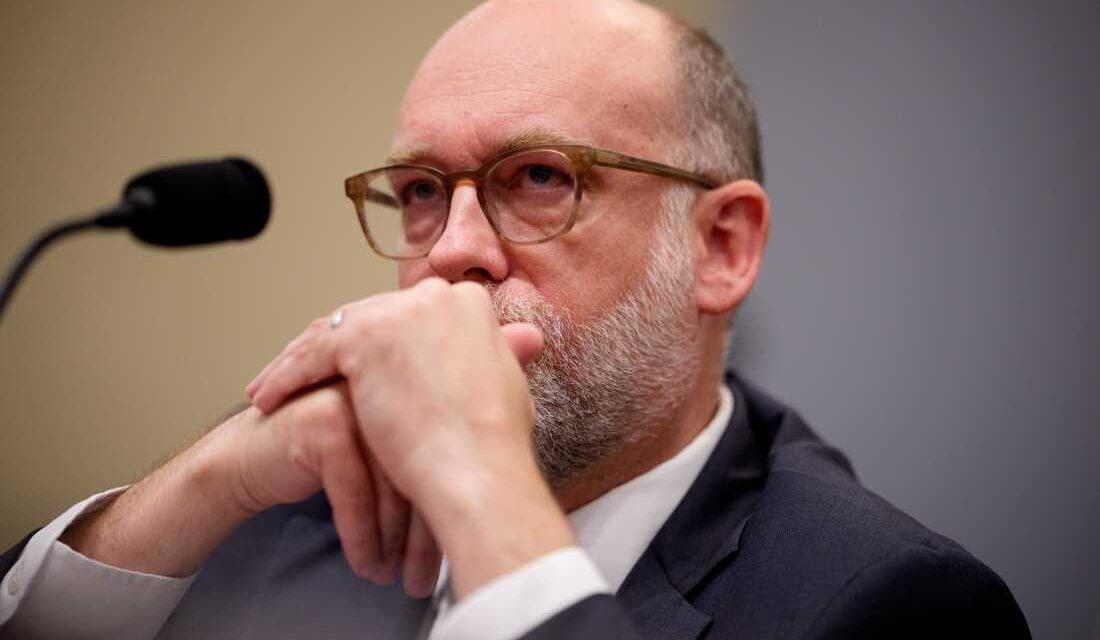
On April 15, Russell Vought, Director of the White House Office of Management and Budget, appeared before the House Budget Committee at the U.S. Capitol. The budget office has proposed a rule change that may lead to increased political influence over federal research grants, worth billions. This change could affect various research fields, including housing, transportation, health, and science.
Holden Thorp, editor of Science magazine, criticized the proposal in an editorial, noting the potential harm it could cause to the nation’s scientific efforts. The proposal, published in the Federal Register on May 29, is said to codify strategies aimed at dismantling certain research fields while boosting the President’s policy priorities. Its impact could be felt across multiple fields, such as public health, vaccine testing, biotechnology, social and behavioral science, and climate science.
Advocacy groups and scientists are actively opposing this change. Cole Donovan, a policy analyst from Stand Up for Science, is organizing protests, stating that it would mark the end of American science as known. He emphasized the importance of preventing the quiet disappearance of peer review as a standard for research integrity.
Peer Review System Under Threat
Since post-World War II, the U.S. scientific community has depended on peer review to ensure research integrity. Federal science agencies similarly rely on independent advisory committees to evaluate research funding proposals. While legally advisory, peer review greatly influences government practices.
Under the new rule, although peer review won’t be eliminated, political appointees, who may not be scientists, would have the responsibility to review grants before awards are made. Critics argue this effectively grants political figures veto power over projects, even after they have passed scientific peer reviews.
Historians, like Tim Snyder during an online forum, expressed concern, drawing parallels to late Stalinism and the 1950s McCarthy era where ideological scrutiny took precedence over credentials. Snyder fears repeating situations where non-experts decide scientific directions could negatively impact governance.
Elizabeth Ginexi, formerly with the National Institutes of Health, questioned whether non-scientists like Russell Vought should determine the readiness of immunotherapy trials. A statement from the Infectious Diseases Society of America expressed that replacing scientific merit with political agendas mirrors the McCarthy era.
Potential Consequences of the Rule Change
The proposed change would officially prohibit research grants based on diversity, equity, inclusion, or gender, also restricting international scientific collaborations. Donovan from Stand Up for Science pointed out the importance of global collaboration for impactful research.
While several Democratic legislators urged public support, Congress seems unlikely to address the rule change directly. Public comments on the proposal are open until July 13, after which OMB will review comments and decide on finalizing the rule. Donovan anticipates legal challenges if the rule passes.
 Justice Department Withdraws Plan for $1.8 Billion Fund
 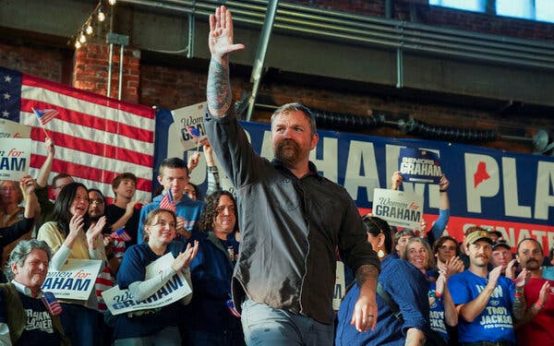 Democratic Concerns Grow Ahead of Maine Senate Primary
  Latin American Deportees in Congo: Return to Home Countries Amid Challenges
  Federal Judge Invalidates Trump-Era Immigration Policy
  Debate Over White House Ballroom Construction
  Scrutiny Surrounds Graham Platner Amid Maine Senate Primary