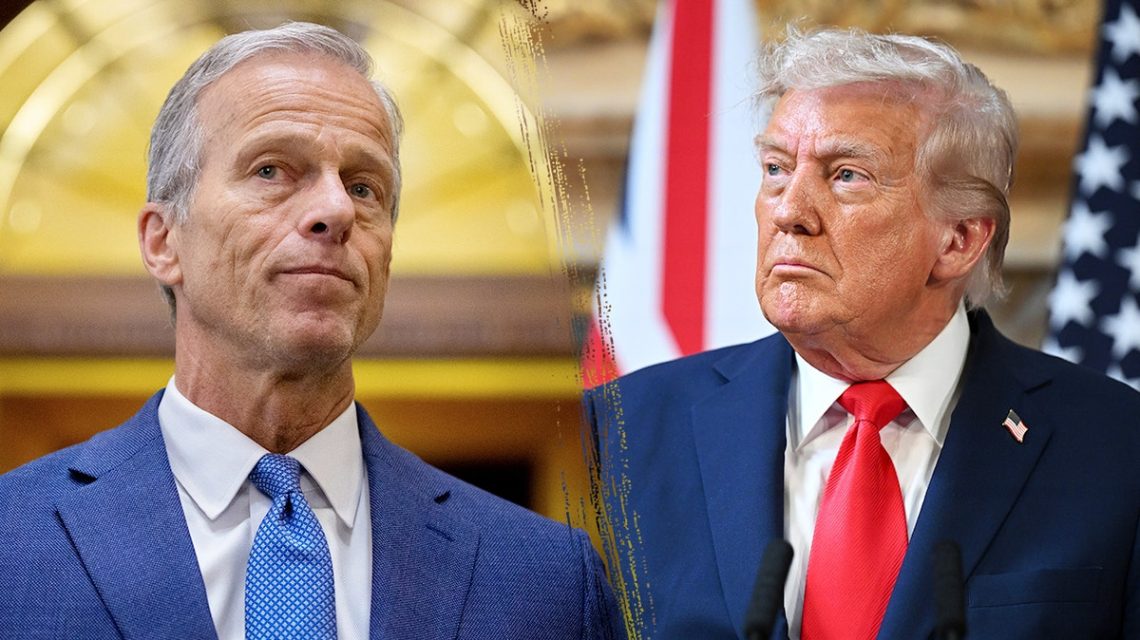
Republicans in Congress, President Donald Trump, and their supporters are advocating for voter ID legislation to become law. However, the Senate remains the key hurdle, rendering this goal somewhat unrealistic. The GOP has been pushing for stricter voter registration requirements, which recently complicated efforts to end a partial government shutdown.
The recent attempt to attach the voter ID legislation, known as the SAVE America Act, to a Trump-backed funding package has brought the issue back into the spotlight. This mirrors past efforts like the Democrats’ attempt to preserve expiring Obamacare subsidies.
Senate Democrats have labeled GOP efforts as pushing ‘Jim Crow-era’ voter ID laws within their shutdown strategy. Congressional Republicans and the President are keen to pass voter ID laws, but are hindered by the Senate’s political challenges.
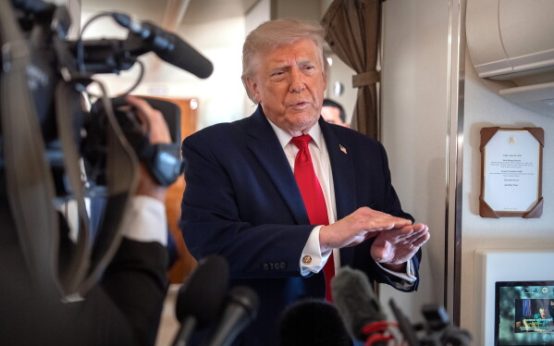
Trump, while persuading House Republicans to not risk their approval on the funding package over voter ID, reinforced his call for such legislation. He stated, “We should have voter ID… Only someone who wants to cheat wouldn’t.” Although some Senate Republicans back the bill’s objectives, they admit it lacks the necessary support from Senate Democrats.
The 60-vote filibuster rule remains a significant obstacle. President Trump has repeatedly urged Senate Republicans to do away with it to promote his agenda. Some senators, including Ron Johnson (R-Wis.), are considering reverting to the traditional standing filibuster, which requires lawmakers to actively debate a bill, consuming valuable time.
Despite some interest, Senate Republicans are cautious about eliminating the filibuster, as it has previously benefited them and could aid Democrats if removed. A Senate Republican source indicated that although the SAVE America Act might garner 51 Republican votes, the filibuster would likely prevent its passage.
Senate Majority Leader John Thune (R-S.D.) noted the interest in discussing the standing filibuster but emphasized no commitments were made to pursue such a strategy. The standing filibuster involves prolonged debate, which could effectively stall Senate activity, given rules allowing each senator two speeches per bill.
Senator Eric Schmitt (R-Mo.), a co-sponsor of the bill, remains hopeful that it will have an opportunity for consideration in the Senate. “We’ll never know unless it happens,” he stated, reflecting the uncertainty surrounding the bill’s future.
 Justice Department Withdraws Plan for $1.8 Billion Fund
 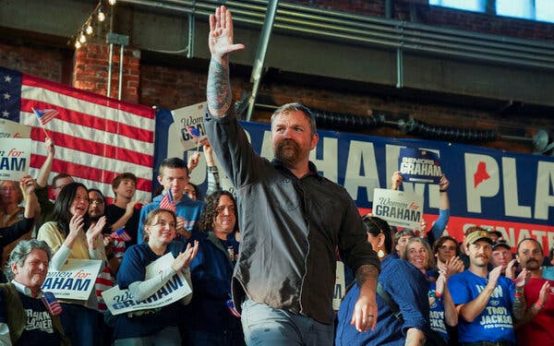 Democratic Concerns Grow Ahead of Maine Senate Primary
  Latin American Deportees in Congo: Return to Home Countries Amid Challenges
  Federal Judge Invalidates Trump-Era Immigration Policy
  Debate Over White House Ballroom Construction
  Scrutiny Surrounds Graham Platner Amid Maine Senate Primary