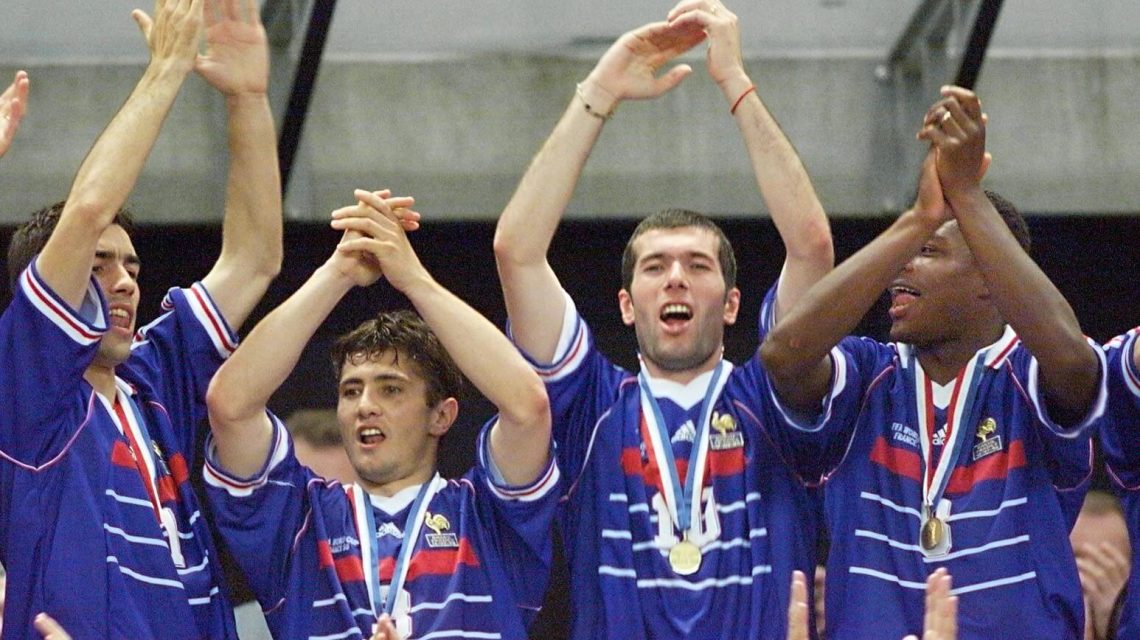
Predicting the winner of the 2026 World Cup can be a challenging task. Many rely on intuition, extensive data analysis, or random theories. Yet, history may offer clues to make a more informed guess. The Athletic has analyzed all 22 past World Cup-winning teams to identify common factors among them.
Significant Factors for a World Cup Victory
History suggests some elements are crucial for winning the World Cup, while others are not.
- Host Advantage: Winning as the host has diminished in recent years. It was prevalent in the first 11 tournaments, but only once in the last 11 (France in 1998).
- Recent Performance: Previous tournament performance is insignificant, with several winners having fared poorly in the preceding World Cup.
- Coach’s Nationality: No foreign coach has ever won the World Cup, indicating the importance of a domestic coach.
- Squad Makeup: Historically, winners have included a mix of domestic and international players, but many champions had a significant number of home-based players.
Analysis of Prospective 2026 Competitors
The analysis narrows down potential winners based on past trends:
- No team has retained the title since Brazil in 1962, ruling out Argentina.
- World Cup winners are often among the top-ranked teams, but not necessarily No. 1, eliminating the current top-ranked France.
- Teams must possess a historical pedigree. Teams ranked 2-18 remain contenders.
Focusing on teams like Spain, the Netherlands, Germany, and Croatia:
- Goalscorer Requirement: Winning teams historically had prolific goalscorers, a challenge for the remaining contenders.
- Home-Based Player Proportion: Germany and Spain have significant numbers of home-based players, unlike Croatia and the Netherlands.
- Captain’s Experience: A legendary captain is common among winners. Germany, the Netherlands, and Croatia have highly experienced captains.
- Squad Experience and Age: An average age around 27 is ideal. Germany fits this profile, with an average age of 27.5.
Outcome Based on Historical Indicators
Considering these criteria, Germany emerges as the team most aligned with historical World Cup-winning trends. Though not entirely scientific, this analysis provides a rational basis for prediction. As history hints, in the end, Germany may triumph again. This insight equips you with a compelling case for any discussions about the next World Cup victor.
 Samantha Busch Expresses Gratitude Following Kyle Busch’s Passing
  Trump’s Attendance at NBA Finals Sparks Mixed Reactions
  Weekend Sports Highlights and NIL Debate
  High Demand for NBA Finals Tickets at Madison Square Garden
  NASCAR Legend Ned Jarrett Passes Away at 93
  Collision in Diamondbacks vs. Dodgers Game Leaves Players Injured