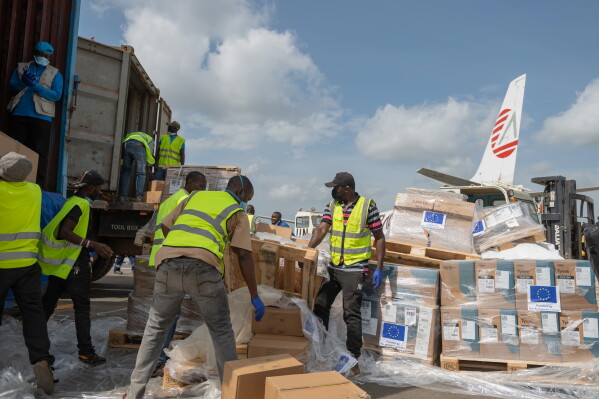
The World Health Organization (WHO) has reported a recovery of five patients from a rare strain of the Ebola virus. The announcement came from Director-General Tedros Adhanom Ghebreyesus during his visit to Bunia, a city in the eastern Democratic Republic of the Congo (DRC). Bunia is currently the epicenter of the outbreak.
During the opening of a new Ebola treatment facility in Bunia, the provincial capital of Ituri, Tedros stated, “Four individuals will be discharged today, and one was discharged the day before yesterday.” He emphasized that while work continues on vaccines and treatments, recovery from Ebola is still possible.
The WHO confirmed on Friday that a patient had recovered from the Bundibugyo virus, the specific strain detected in this outbreak. This marked the first documented recovery from this type of Ebola, which lacks approved treatments or vaccines. Recent official figures indicate 906 suspected cases and 223 suspected deaths.
Neighboring Uganda has confirmed nine cases and one death, as reported by Uganda’s Ministry of Health on Friday.
Despite improvements in healthcare infrastructure and the arrival of additional aid, the virus is spreading faster than the response efforts, according to Médecins Sans Frontières (MSF). MSF urged for the immediate expansion of diagnostic testing, quicker humanitarian deployment, and continuous access to medical supplies.
The challenges for healthcare workers have grown due to resident frustration over strict medical protocols for handling victims’ bodies, which conflict with local burial practices. Residents have attacked health centers at least three times.
Tedros highlighted the need for community involvement in addressing the outbreak, saying, “If people visit health centers when they show symptoms, they can receive support and recover. The key is to seek assistance as early as possible.” He added, “We can stop this Ebola spread and help those who are affected to recover. This is a collective responsibility, and every citizen must take part.”
Efforts in Ituri face additional hurdles due to attacks from the Allied Democratic Forces, an Islamist militant group, and a coalition of ethnic militias. These conflicts have made the response more difficult. Cases have also been reported in North and South Kivu provinces, where the M23 rebel group, backed by Rwanda, controls key cities such as Goma and Bukavu. The rebels have acknowledged two cases.
Pierre Akilimali, incident manager from the National Institute of Public Health in the Congo, expressed hope during the facility opening, stating, “There is hope for the Ituri community. With the symptomatic treatment currently offered, we are witnessing patient recoveries.”
Dr. Davin Ambitapio, from the treatment center, echoed these sentiments, saying, “We are hopeful. The virus here is less complex compared to past strains. With our partners’ support, we’re confident in controlling this outbreak swiftly.”
Jennifer Banchereau contributed reporting from Dakar, Senegal.
 U.S. Military Awaits Pentagon’s Clarification on Troop Levels in Europe
 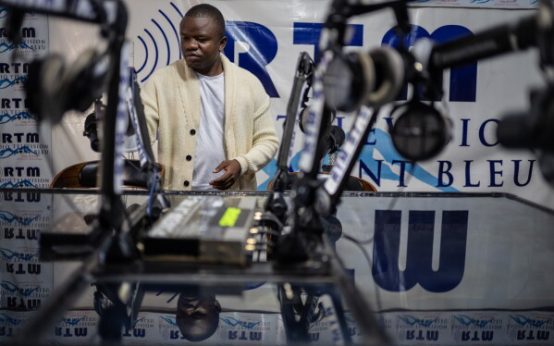 Potential Ebola Outbreak in Central Africa Raises Concerns of Rapid Spread
 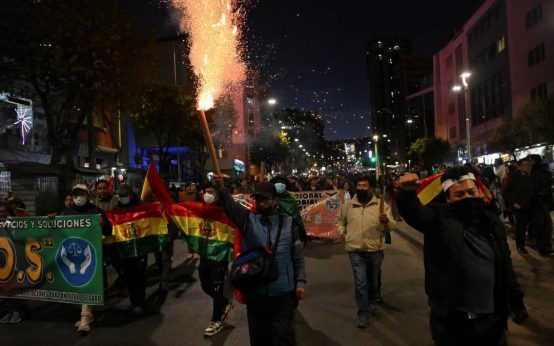 U.S. and Allies Condemn Efforts to Overthrow Bolivian Government
  Pamela Hicks: Cousin, Bridesmaid, and Witness to History
  Researchers Escorted Out of Diabetes Conference for Criticizing Trump Administration
  Latin American Deportees in Congo: Return to Home Countries Amid Challenges