
America’s founding generation did not simply resist excessive taxation. They comprehended the dangers of surrendering their rights to the government in return for supposed safety. These early Americans preferred the risks of liberty to the confines of tyranny. They opposed oppressive rule from across the sea. The crown infiltrated their meetings, searched their possessions without justification, and intercepted their correspondence.
Today, unchecked bureaucrats operate with authority reminiscent of kings, prioritizing their interests over American freedoms. The Foreign Intelligence Surveillance Act (FISA) has deteriorated, resembling the general warrants and writs that spurred the American Revolution. Originally designed for tracking foreign threats, FISA has transformed into a tool for domestic monitoring, disregarding the Fourth Amendment.
A court revealed that the FBI improperly searched a foreign intelligence database 278,000 times over several years.
The Gadsden flag’s rattlesnake delivers a modern warning: do not spy on Americans. On June 12, Congress faces a key decision to renew Section 702 of FISA. The intelligence community seeks a straightforward extension, but Americans demand the defense of their liberties. Members of the House Freedom Caucus and the Senate Steering Committee insist on meaningful reforms as the only path forward.
This stance does not undermine national security; rather, it opposes sacrificing liberty for unchecked authority. Reform should start by reassessing the expansion of the term “electronic communication service provider.” The government broadened its surveillance reach two years ago to include everyday citizens, categorizing any U.S. business or organization with digital communications under potential scrutiny, further raising concerns of abuse.
Former Senate Intelligence Committee Chairman Mark Warner recognized the domestic surveillance issue but Congress has yet to respond.
Another step involves addressing the secrecy facilitating FISA’s current issues. Federal prosecutors often impose non-disclosure orders on telecommunication companies, masking the extent of data collection. The proposed “NDO Fairness Act” seeks to introduce judicial review and time limits on such gag orders, ensuring the public knows when their data is sought beyond national security needs.
Additionally, oversight agencies must restrict the buying of Americans’ data from commercial brokers. This includes geolocation data, communications metadata, and browsing histories. Government officials should obtain warrants when necessary, preventing normalization of unconstitutional practices. Closing this loophole is essential.
The intelligence community desires a straightforward renewal, yet Americans demand liberties be upheld.
The most troubling aspect is the millions of unauthorized “backdoor” queries into Americans’ communications. In 2021, nearly 3 million warrantless searches occurred, underlined by no accountability. Even as security demands monitoring of foreign threats, searching Americans’ data without probable cause and judicial oversight is problematic.
Technological advancements do not alter constitutional principles. Warrants were historically required to intercept letters or enter homes; the same standards should apply to digital communications today. Upholding the Constitution remains crucial as we approach the June 12 deadline. Americans expect Congress to reject a simple renewal and enact necessary reforms.
Republican Rick Scott represents Florida in the United States Senate, with experience as a former Florida governor. Republican Keith Self represents Texas’s 3rd congressional district in the United States House of Representatives. Rep. Andy Harris, a Republican, represents Maryland’s 1st Congressional District.
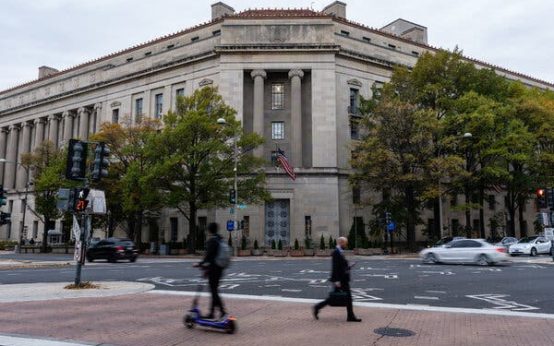 Justice Department Withdraws Plan for $1.8 Billion Fund
  Democratic Concerns Grow Ahead of Maine Senate Primary
  Latin American Deportees in Congo: Return to Home Countries Amid Challenges
 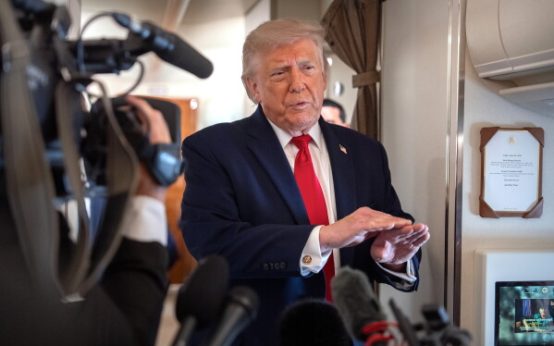 Federal Judge Invalidates Trump-Era Immigration Policy
 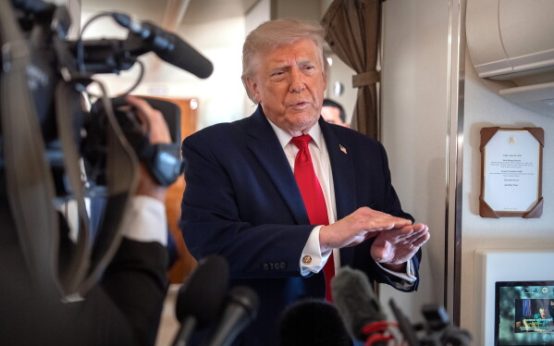 Debate Over White House Ballroom Construction
 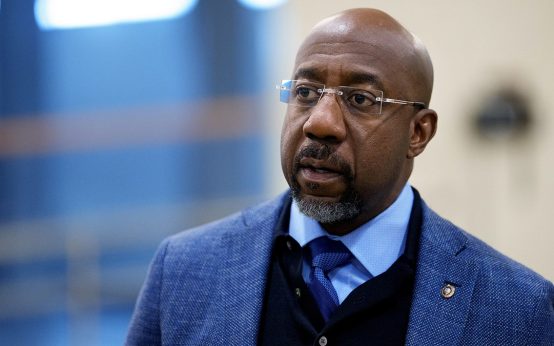 Scrutiny Surrounds Graham Platner Amid Maine Senate Primary