
On May 13, 2022, demonstrators gathered outside a courthouse in Nashville, Tennessee. Inside, a sentencing hearing was taking place for RaDonda Vaught. The former nurse faced sentencing for negligent homicide and neglect of an impaired adult. In 2017, she administered the wrong medication and accidentally caused a patient’s death at Vanderbilt University Medical Center. The court sentenced her to three years of probation and revoked her nursing license.
Since then, Vaught has embarked on a new path. She and her husband relocated to a sheep farm in Bethpage, Tennessee. There, they focus on farming, selling eggs at farmers markets and supplying meat to local butchers and restaurants. Despite the personal shifts, Vaught’s case remained a point of national discussion, especially within the healthcare community.
Vaught began receiving invitations to speak to medical professionals about the circumstances surrounding the tragic event. Her story highlights the rise of automation and artificial intelligence in healthcare, urging an understanding of the multiple factors that led to the fatal mistake.
She confessed that profiting from her tragedy was never her intention. Initially, she didn’t foresee speaking engagements coming her way. However, as opportunities arose, Vaught embraced them. Her talks resonated with audiences, replacing the income she lost from nursing. Last year, she gave over 20 speeches, earning between $5,000 and $10,000 per event.
Despite criticism, some industry professionals appreciate her willingness to share her experience. She transforms a grave error into a valuable learning experience. This error, which involved overriding a medication system, serves as a critical reminder of the importance of system checks in healthcare.
Vaught’s talks are intense and emotional. She often revisits the painful memory of her patient, Charlene Murphey. The event occurred due to a combination of factors, including a technology upgrade at the hospital that allowed system overrides during delays. Vaught accessed vecuronium, a powerful paralytic, by mistake. She missed warnings, including bottle cap labels and administered it, leaving Murphey alone.
Though Vaught faced charges, she pleaded not guilty. During the trial, testimony revealed systemic issues and shared responsibility. Vanderbilt did not initially report the error and inaccurately cited the cause of death. Although Vaught was fired and her case went public, her voice remains unrestricted by any settlements.
Vaught’s experience has led to tangible changes. Omnicell and BD, major manufacturers of drug-dispensing cabinets, updated their systems. Hospitals revised protocols, incorporating barcode checks for medication administration. Furthermore, in Kentucky, a law granting immunity for on-the-job medical mistakes passed unanimously in 2024.
Nursing consultant Matthew Garvey, who knew Vaught from nursing school, supports the accountability measures yet recognizes her talks’ therapeutic value. These discussions spotlight collective responsibility, aiming to prevent future tragedies. Garvey believes in learning from Vaught’s firsthand account to improve healthcare systems.
Through her public speaking, Vaught fosters critical discussions about safety in healthcare. While the past cannot be changed, her dedication to transparency aims to make a positive impact moving forward.
 Researchers Escorted Out of Diabetes Conference for Criticizing Trump Administration
 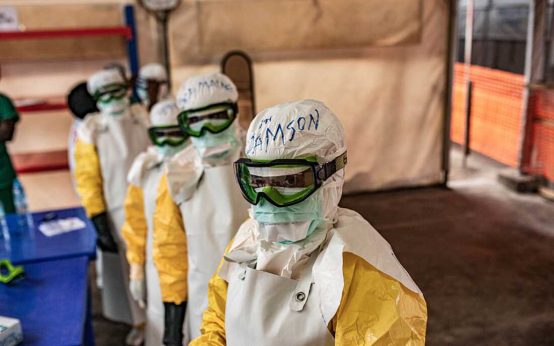 Ebola Outbreak in Africa: A Serious Concern
 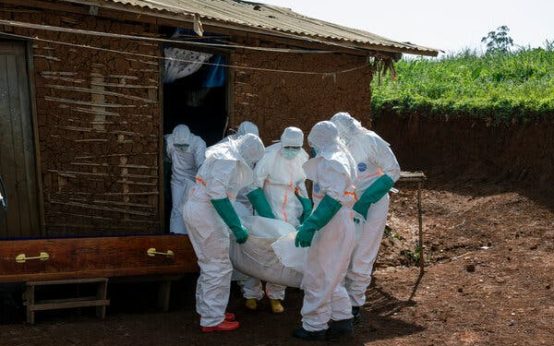 Gold and the Ebola Outbreak in Congo’s Mining Towns
 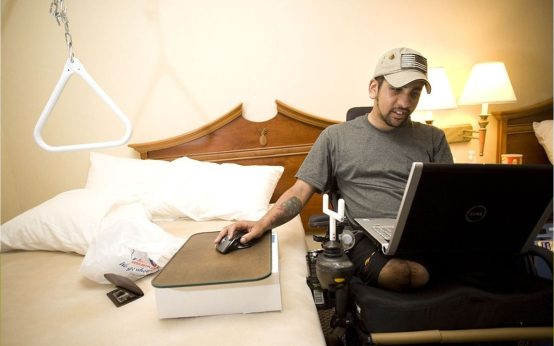 House Passes Bill for Veterans’ Benefit Increase
  Gene Editing in Human Embryos at Columbia University
  Melinda French Gates Commits $215 Million for Global Women’s Health