
The Growing Trend of Canned Wines
Canned wines are gaining popularity despite their initial association with casual events like beach outings and sports games. Data shows that, since 2019, canned wines and similar ready-to-drink beverages have seen a 14% annual growth in the U.S., a stark contrast to declining global wine sales. This surge indicates a shift in consumer preference towards convenience and innovation, with modern canned wines offering distinct identity and origin.
Convenience and Appeal of Canned Wines
Andy Pates, founder of Cream Wine & Spirits, highlights the inherent ease of canned wines. They are designed for effortless enjoyment, catering to on-the-go lifestyles where portability is key. Ideal for situations like sneaking into a movie or sipping by a pool, their single-serving format reduces commitment compared to full bottles. This flexibility appeals to those mindful of portion control or when enjoying wine solo, while others choose different beverages.
Evolution of Quality in Canned Wines
The canned wine market initially focused on lifestyle appeal, often featuring generic wines from unspecified bulk producers. However, the industry is evolving as independent winegrowers introduce unique flavors and better farming practices. These wines now offer interesting flavor profiles and come from specific vineyards, enhancing their appeal.
Impact of Serving Sizes
Pates notes an interesting trend: as canned wine serving sizes shrank, their attractiveness grew. Traditionally sold in 12-ounce cans, roughly half a wine bottle, consumers underestimated how much wine they were consuming — frequently leading to intoxication. Current 250 ml cans, about a third of a standard bottle, promote leisurely consumption without excess.
Quality Wines in Cans
Brands emerging with quality canned wines often originate from renowned wineries. Their offerings include pét nats and varietal blends such as skin-contact orange wines from Spanish producers like Bodegas Parra Jiménez. Gulp Hablo Orange, made with sauvignon blanc and verdejo grapes, embodies their commitment to organic farming.
Pates also highlights Prisma’s range, using estate-grown Chilean fruit to deliver mineral-rich notes uncommon in canned wines. European brand Djuce collaborates with small-production winemakers in low-emission cans. Renowned collaborators include Meinklang from Austria and Azienda Agricola Cirelli from Italy.
The Appeal of Diverse Wine Varieties
The diversity in canned wines is evident with options like Famille du Vin’s series, featuring wines from French producers exploring natural wine flavors. Offerings like Château de Béru Special Cuvée, Chablis’ first canned release, add rich flavors without losing their traditional character.
Pricing and Style Considerations
Despite their quality, these canned wines come at a premium — often over $10 a can. Pricey compared to standard cans, but their quality makes them a worthwhile investment. Styles like crisp whites, chillable reds, and spritzes best benefit from cooling, making them ideal for canned formats. The experience mimics opening a refreshing beer, underscoring their appeal.
Recommended Canned Wines
- Gulp Hablo Fresco chilled red (La Mancha): Blends garnacha, syrah, and other varietals. Priced at $6, perfect for picnics.
- Prisma sauvignon blanc (Casablanca Valley): Offers fruit-forward notes. Four cans priced at $23.
- Prisma pinot noir (Casablanca Valley): A savory, new-world Pinot Noir blend for $23 per pack.
- Las Jaras WAVES red wine (California): Combines zinfandel and merlot for a dynamic taste. Available at $11 per can.
- Las Jaras WAVES white wine (California): Features a blend of chenin blanc and albariño, offering refreshing flavors for $11.
- Famille du Vin Jean Pierre Robinot dry white (Loire Valley): Offers bright peach and pear flavors.
- Famille du Vin Château de Béru Special Cuvée dry white (Chablis): Complements traditional chardonnay essence.
- Djuce CoLab Meinklang Rosa (Burgenland): Fizzy rosé with bold fruit flavors, priced at $12.
- Djuce CoLab Meinklang Kontext (Burgenland): Aromatic orange wine, ideal for newcomers, priced at $12.
 How a Chef is Helping Families Make Affordable, Healthy Meals
 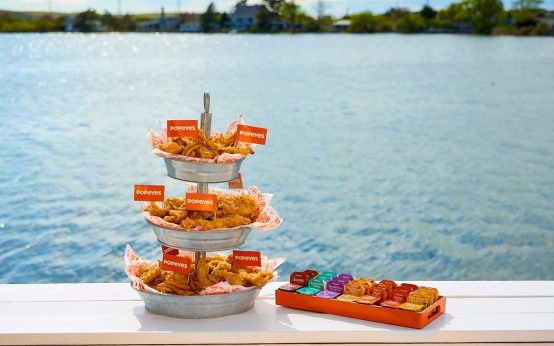 Popeyes Collaborates with The Surf Lodge for a Unique Food Experience
  The Collaboration of Polly Wales and Castro Smith in Jewelry
  Best Breathable Work Boots for Hot Weather
  Celebrate America’s 250th Birthday with Commemorative Products
  Embrace Nature: The Touch Grass Challenge