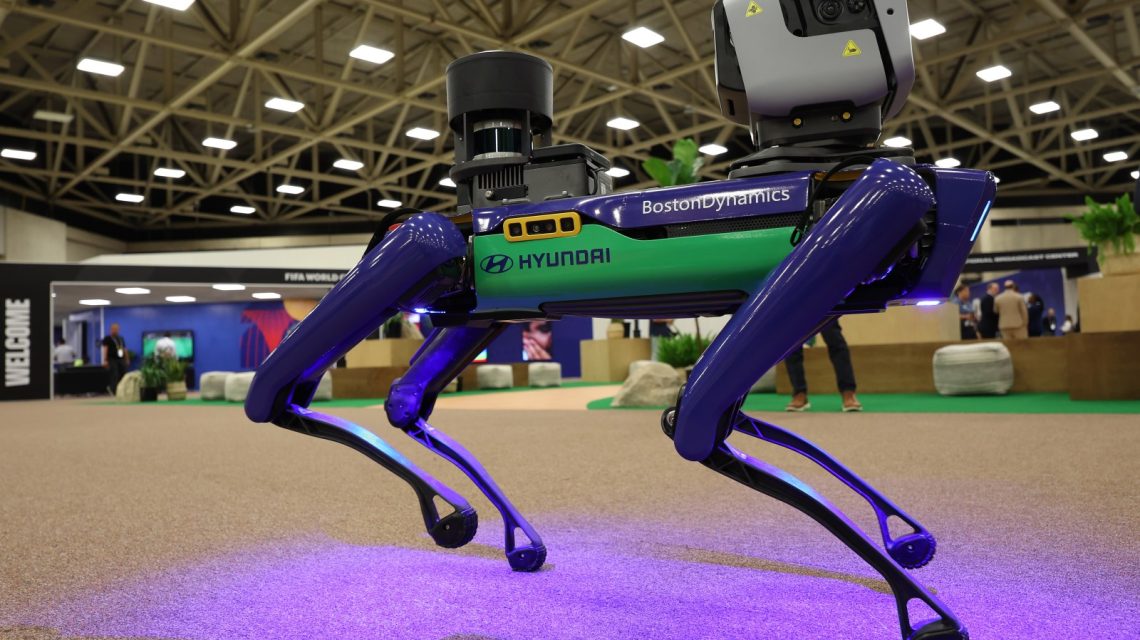
Robot dogs and advanced AI tools are central to a comprehensive security operation for the upcoming FIFA World Cup hosted by the U.S., Canada, and Mexico. This tournament features 48 international teams playing 104 matches across 16 cities, attracting millions of fans.
According to Andrew Giuliani, the executive director of the World Cup security task force, this summer presents unique security challenges. The task force is deploying robot dogs, AI-powered cameras, and drone-detection technology to address potential threats. This effort follows a recent shooting near England’s World Cup base in Kansas City, Missouri, illustrating the need for high security. Though it was unrelated to the World Cup, it highlights ongoing gun violence risks.
Data from the Gun Violence Archive indicates over 400 mass shootings were recorded in the U.S. in 2025. These figures underscore why heightened security measures are essential for the World Cup.
Key Details
The World Cup is historically significant, not only due to its size but also because of President Donald Trump’s involvement. He hosted FIFA’s Gianni Infantino at the White House and has expressed plans to attend some matches.
Andrew Giuliani likens the event to “78 Super Bowls over 39 days.” Authorities claim to be as prepared as possible, with no credible threats reported so far. The Federal Emergency Management Agency allocated $625 million to 11 U.S. host cities for security expenses. Another $250 million is aimed at countering drone threats.
Coordinated efforts involve more than 400 law enforcement agencies working with federal entities and private security firms. This collaboration ensures safety at the stadiums and additional locations like teams’ base camps and hotels. Innovative tech, like robot dogs, plays a significant role. Boston Dynamics’ Spot robots will aid in validating suspicious packages or hazardous materials.
Mexico will deploy similar robotic canine units at selected venues within its territory. U.S. police teams will use body cameras capable of real-time translations to facilitate communication with international attendees.
Giant X-ray trucks and thousands of AI cameras will scan public areas crowded with fans. Drones pose a significant security challenge, as they are banned over stadiums and fan zones. Companies like Fortem are working on preventing unauthorized drones from entering secure areas. Fortem will deploy quadcopters to intercept drones using nets.
Besides technological measures, geopolitical concerns are also being taken into account. This World Cup coincides with host nation Iran being involved in ongoing conflict, representing a novel scenario within World Cup history.
Looking Ahead
The World Cup commences on Thursday, June 11, with Mexico facing South Africa in Mexico City. This security strategy aims to ensure that fans and participants have a safe and enjoyable experience.
 Kenneth Walker Shines in Super Bowl for Seahawks
 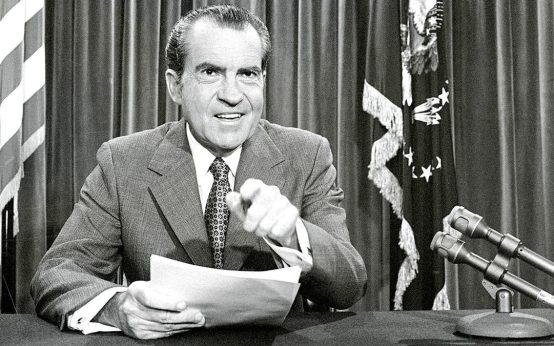 Former General Likens Trump’s Iran Strategy to Nixon’s Vietnam Bombing Campaign
 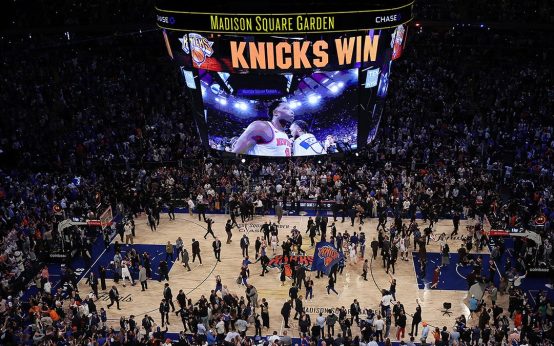 Knicks Poised for NBA Finals Victory Over Spurs
  Protestas en Kinshasa por Propuesta de Cambio Constitucional
  N.B.A. Finals Watch Parties Set for Knicks Game 5
  Tony Stewart’s Unfiltered Reaction to Kyle Busch’s Legacy