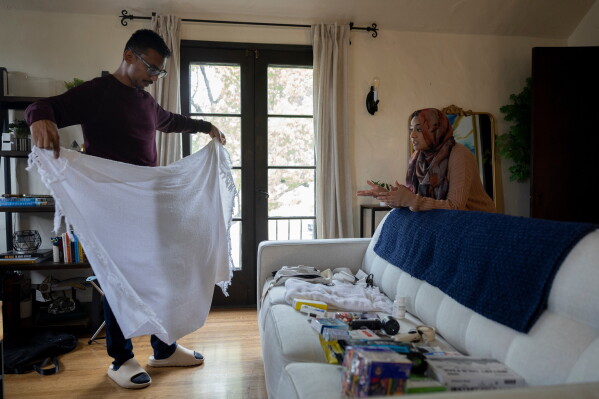
Each year, a significant number of Muslim pilgrims gather in Saudi Arabia. They unite in religious activities and worship by performing the Hajj. This pilgrimage fulfills a religious duty and offers a profound spiritual journey. It’s a chance for many to seek forgiveness for past sins and to renew their spiritual commitments.
This year’s Hajj coincides with a fragile truce in the Iran conflict, adding tension and uncertainty for the region. Earlier this year, travel disruptions due to the war affected Muslims in Saudi Arabia for Umrah, a lesser pilgrimage. Many faced challenges returning home.
The Hajj: A Pillar of Islam
The Hajj is the annual pilgrimage to Mecca in Saudi Arabia. It includes a series of religious rituals. Completing it once in a lifetime is obligatory for every Muslim who can afford it and is physically able.
Hajj is one of Islam’s Five Pillars. The others are the profession of faith, daily prayers, almsgiving, and fasting.
An Annual Event
The pilgrimage occurs during the lunar month of Dhul-Hijja, the final month of the Islamic calendar. This year, it will officially begin on a Monday.
When Hajj occurs in summer, the heat presents challenges. In 2024, over 1,300 people died due to extreme temperatures, mostly unauthorized pilgrims walking long distances under the sun. The country’s health minister shared these findings.
Religious Duty and Spiritual Journey
For pilgrims, performing Hajj is both a religious duty and a deeply spiritual journey. It offers an opportunity to reconnect with God and emulate the actions of prophets.
Hajj fosters unity among Muslims from diverse backgrounds worldwide. It promotes feelings of connection and humility. Many pilgrims arrive with personal requests and hopes. Some spend years saving for and anticipating this journey.
Preparations might include packing essentials, gathering advice from past pilgrims, or attending educational sessions to prepare both spiritually and physically.
Rituals of the Hajj
Pilgrims begin Hajj with the intention of entering a state called ‘ihram.’ This state involves adhering to specific rules, such as men not wearing sewn clothes. They wear simple garments, emphasizing humility and devotion.
A pivotal moment is standing on the plain of Arafat. Here, pilgrims pray fervently, asking for forgiveness, often moved to tears.
Another key ritual is ‘tawaf,’ where pilgrims circle the Kaaba in Mecca seven times. The Kaaba serves as the focal point of Muslim prayers globally.
Pilgrims also follow in Hagar’s footsteps, the wife of Prophet Ibrahim. She searched for water for her son by running between two hills seven times.
Eid al-Adha
Eid al-Adha, or the ‘Feast of Sacrifice,’ starts during Hajj on the 10th day of Dhul-Hijja. This holiday marks Ibrahim’s readiness to sacrifice his son as an act of obedience to God. Muslims celebrate by slaughtering sheep or cattle, distributing some meat to the needy.
The Associated Press provides religion coverage in partnership with The Conversation US, funded by Lilly Endowment Inc.
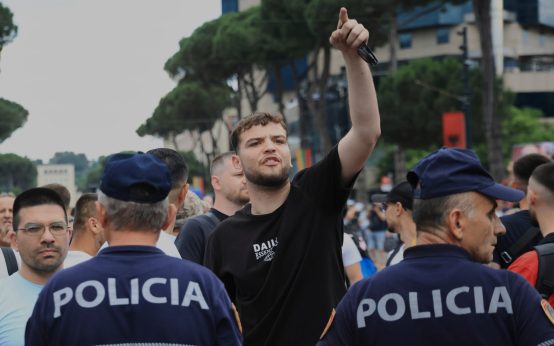 Protests Erupt in Albania Over Resort Development
  Clarity Sought on U.S. Troop Levels in Europe Amid Policy Changes
  U.S. Military Awaits Pentagon’s Clarification on Troop Levels in Europe
 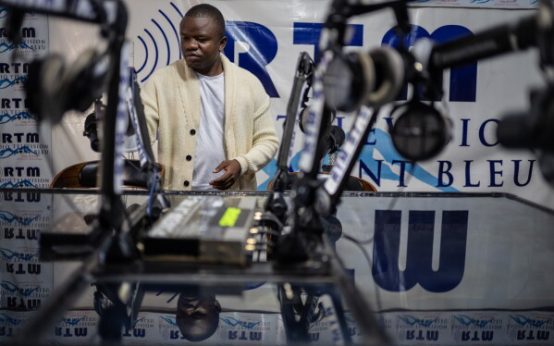 Potential Ebola Outbreak in Central Africa Raises Concerns of Rapid Spread
 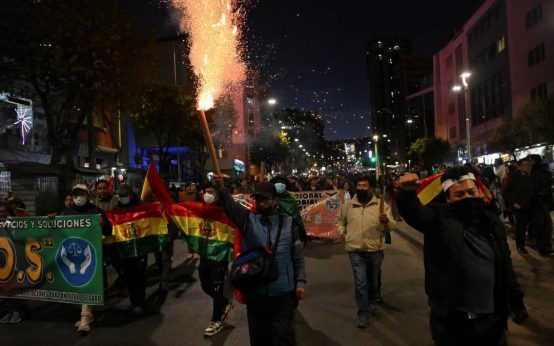 U.S. and Allies Condemn Efforts to Overthrow Bolivian Government
  Pamela Hicks: Cousin, Bridesmaid, and Witness to History