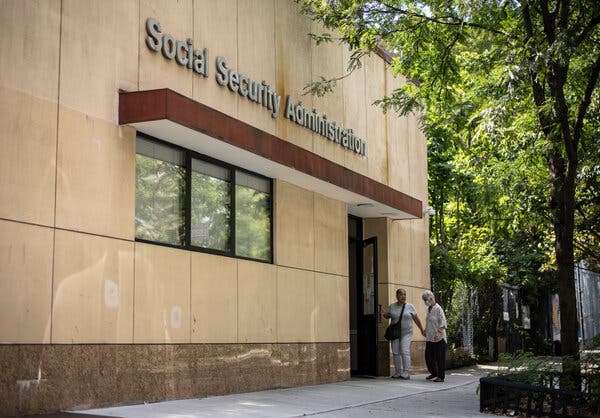
The Social Security program, which provides vital support to approximately 68 million Americans, faces a substantial financial challenge. According to a recent report by the program’s trustees, the trust fund is on track to be depleted within six years. This depletion could lead to an average reduction of 22 percent in benefits.
The annual financial report highlights a worsening forecast for Social Security. Lawmakers must address this issue soon to avoid future benefit cuts. The trust fund is projected to run out of money by the end of 2032, one quarter sooner than anticipated previously. Afterward, incoming revenue would suffice to pay just 78 percent of benefits unless Congress intervenes.
Myechia Minter-Jordan, the CEO of AARP, emphasizes the urgency of the situation, stating, “This should be a wake-up call: Congress needs to act. Americans have worked hard and paid into Social Security their entire lives, and they deserve to count on it when they retire. No family should see any cuts to what they’ve earned in Social Security.”
Medicare’s hospital trust fund also faces similar financial concerns, with an expected depletion in 2033. The trustees project that Medicare will cover only 89 percent of hospital bills by the second quarter of that year. Other Medicare expenditures, such as those for doctors’ visits and prescription drugs, continue to increase, contributing to the federal budget deficit and long-term debts.
The situation demands that lawmakers take decisive action. Solutions may involve increasing taxes or reducing checks to reinforce the program’s sustainability and ensure that beneficiaries receive their full entitlements.
 Sean Penn Set to Direct Film Based on Jan. 6 Capitol Riot
  Gavin Newsom’s Presidential Prospects Amid DOJ Investigation
  Trump Weighs Dual Endorsement in South Carolina Governor’s Race
  D.C. Council Primary and Special Election Results
  Trump Administration’s Plan to Restructure Education Department
  Federal Standards Changes May Aid Contractor’s Legal Defense