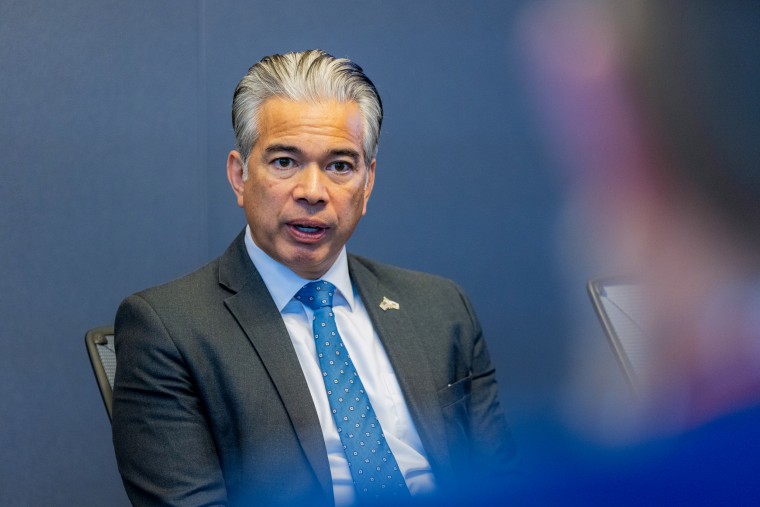
David Ellison, CEO of Paramount Skydance, is on the verge of acquiring Warner Bros. Discovery in a $110 billion deal. The U.S. Justice Department recently approved this transaction, allowing Paramount to move closer to finalizing the merger. However, California Attorney General Rob Bonta has stated that the deal is still under his office’s investigation.
Bonta, along with other state attorneys general, could potentially challenge the merger by filing a lawsuit under state and federal anti-monopoly laws. New York Attorney General Letitia James is also examining the merger, with reports indicating that other states are involved too. Scott Wagner, a co-head of antitrust practice at Bilzin Sumberg, emphasized that state attorneys general have the authority to contest mergers even if federal authorities do not oppose them.
The merger would consolidate two major film studios, popular streaming services, and a wide array of broadcast and cable assets under Ellison, a prominent figure in the media industry. Critics argue that the deal could reduce competition by leading to fewer opportunities for content creators and higher costs for consumers. A considerable number of entertainment professionals, including prominent figures like JJ Abrams and Jane Fonda, have publicly opposed the merger, highlighting concerns about its impact on jobs and competition.
“The merger of Warner Bros and Paramount is not a done deal and remains under investigation by my office.” — Rob Bonta, California Attorney General
Despite the opposition, the Justice Department declared that the merger is unlikely to harm competition or consumers. Paramount has highlighted the advantages of the transaction, promising to release 30 movies annually in theaters. The company views the merger as a strategic move to enhance its position against dominant technology firms in the increasingly competitive media landscape.
In preparation for potential legal challenges, Paramount has engaged Jeffrey Kessler, a notable litigator, who expressed confidence that there is no valid antitrust argument against the merger. He suggests that the merger will foster competition in streaming services and network television.
Beyond litigation, state attorneys general could delay the merger through information requests and reviews of legal issues. These actions might affect the timing and cost of the transaction. Rob Bonta has articulated that state-level efforts are crucial due to what he perceives as a lax stance on antitrust enforcement at the federal level during the Trump administration.
The merger is also being scrutinized internationally. The European Union is assessing the deal’s financial backing from Middle Eastern sovereign wealth funds, while the United Kingdom has initiated its own investigation. Paramount is eager to conclude the deal quickly, as delays could incur penalties over $600 million per quarter if not finalized by September 30.
 Sean Penn Set to Direct Film Based on Jan. 6 Capitol Riot
  Beckham Family Feud: Ongoing Tensions and Public Statements
  Christopher Jackson Returns to ‘Hamilton’ as George Washington
  Country Singer Jelly Roll Files for Divorce
  Prince George to Attend Eton College Following Prince William’s Path
  World Cup Matchday 5: Surprises and Performances