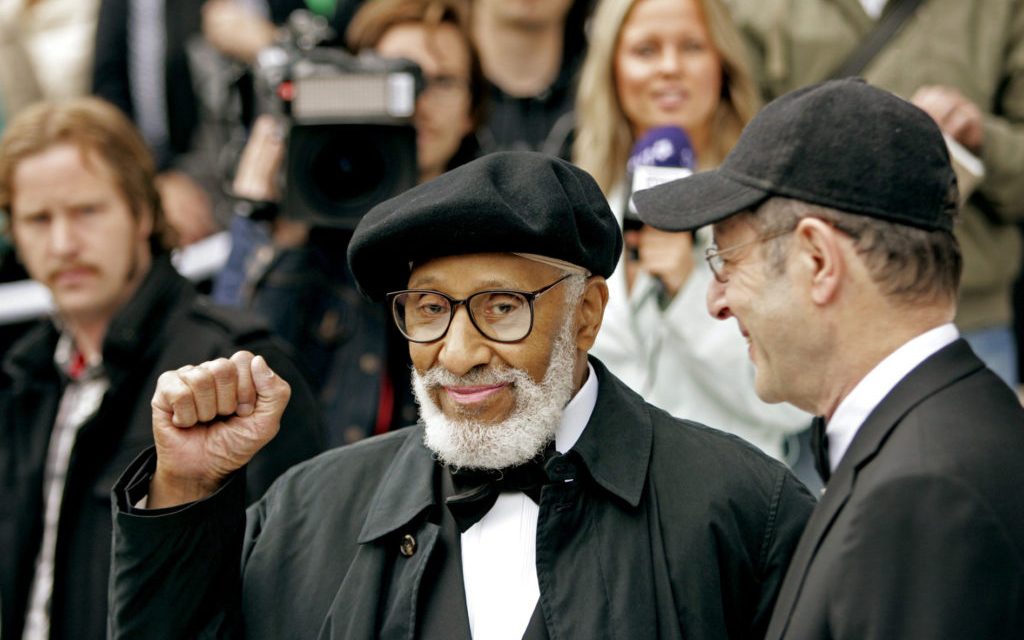
Sonny Rollins, a legendary tenor saxophonist celebrated for his bold tone and constant exploration, passed away at the age of 95. Rollins died at his home in Woodstock, New York, as confirmed by spokesperson Terri Hinte. Although no specific cause of death was provided, Rollins had faced several physical challenges in recent years.
Early Career and Influence
Rollins began his remarkable career as a teen prodigy. He became known for his improvisational skills, making a lasting impact on jazz. Rollins was one of the last greats from the bebop era and played alongside influential musicians like John Coltrane and Charlie Parker. His music reached rock audiences through his collaboration with the Rolling Stones on the 1981 album ‘Tattoo You’.
Despite his success, Rollins rarely felt content with his art. He often took breaks and embraced new styles, describing himself as “a work in progress.” Rollins found it difficult to listen to his early recordings, noting their imperfections.
Enduring Achievements
In the 1990s and 2000s, Rollins released critically acclaimed albums and continued touring into his 80s. Chronic lung disease eventually ended his performing career, with his last concert held in 2012. Although he missed live performances, he cherished the experience of playing jazz.
In 2001, Rollins won a Grammy for ‘This is What I Do’, and in 2006, he earned another for his solo on ‘Why Was I Born?’ from a live album recorded shortly after the 9/11 attacks. Despite personal loss, including his wife Lucille’s passing in 2004, he remained dedicated to his music.
Struggles and Recovery
Rollins gained his first significant opportunity in Thelonious Monk’s band during his teens. However, his early success nearly faltered due to heroin addiction. He faced imprisonment and ended up homeless in Chicago. In 1954, Rollins sought treatment and experienced a spiritual awakening that shifted his life perspective.
After recovery, Rollins joined the Max Roach-Clifford Brown quintet and released the influential album “Saxophone Colossus”. He explored different musical arrangements, including a pianoless trio, which set new standards in jazz.
Later Years and Legacy
During a reflective retreat, Rollins practiced on the Williamsburg Bridge, returning to public performance in 1961. Although jazz had evolved, he embraced new styles, leaving some fans divided. In the 1960s, Rollins explored traditional and avant-garde approaches, contributing to film soundtracks and discovering Zen Buddhism.
By the 1970s, Rollins was recognized as a jazz legend. He was awarded a Guggenheim fellowship and inducted into the Downbeat Hall of Fame. Rollins performed in prestigious venues and on television.
Born in Harlem on September 7, 1930, Rollins grew up in a musical family. Although initially pushed to study piano, he chose the saxophone as his instrument of choice at age 11. He was largely self-taught but quickly excelled, playing in clubs during his teens.
Rollins left behind unreleased recordings, expressing no intentions for their future release. His legacy endures, and he no longer has to agonize over his music, as he told the New York Times.
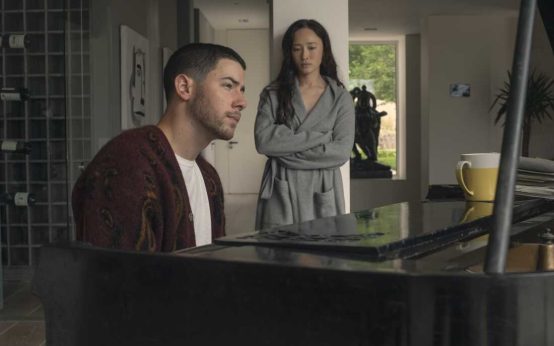 Exploring Themes of Success and Authenticity in “Power Ballad”
 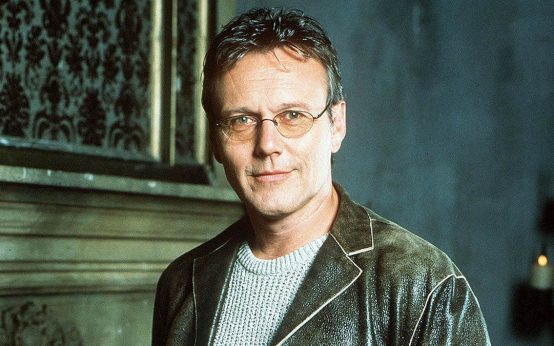 Actor Anthony Head Passes Away at 72
  Taylor Swift’s Return to Country with ‘Toy Story 5’ Song
 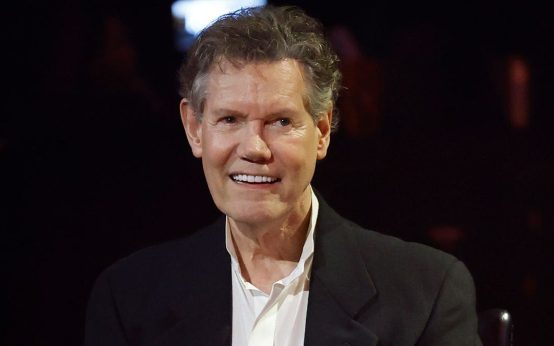 Randy Travis’ Health Struggles and His Storied Music Career
  Senate Approves $70 Billion for Immigration Enforcement
  Alamo Drafthouse Shifts Policy With Phone Ordering System