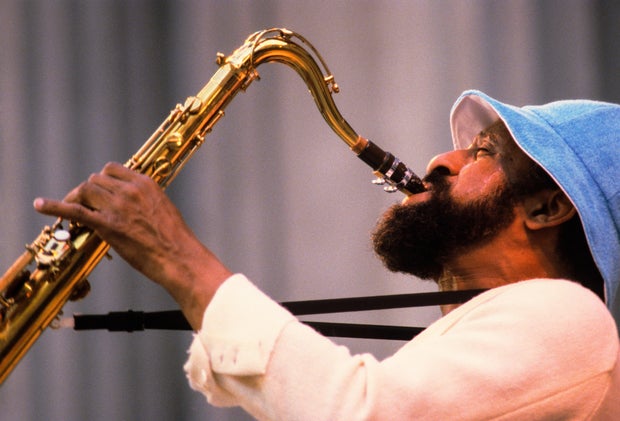
On May 25, 2026, the world lost Sonny Rollins, a pioneering tenor saxophonist known for his powerful tone and ongoing experimentation in jazz. Rollins passed away at his Woodstock, New York home at 95, as confirmed by his spokesperson, Terri Hinte. His contributions to jazz spanned over five decades, positioning him alongside icons like John Coltrane and Charlie Parker. Though his cause of death wasn’t specified, Rollins had faced various health challenges in recent years.
Rollins’ career began as a teenage sensation, and he continued to captivate audiences with his improvisational prowess. His work was recognized across genres, including his collaboration with the Rolling Stones on their 1981 album “Tattoo You,” where his saxophone added a poignant touch to “Waiting on a Friend.” Despite widespread acclaim, Rollins often took breaks to refine his style, always in pursuit of musical growth.
His early bebop recordings remain beloved, even as he distanced himself from them, citing a desire to avoid his past mistakes. “I don’t consider myself a musician that has learned as much as I want to learn,” he remarked in a 2007 interview. Throughout the ’90s and early 2000s, Rollins released celebrated albums and maintained a vibrant touring schedule well into his 80s. His career was eventually halted by pulmonary fibrosis.
In an interview with the New York Times in 2020, Rollins reflected on the profound connection he felt while playing live. His performances were noted not just for the music, but for their spiritual depth: “I felt that I was part of something bigger,” he remarked. His 2001 album “This is What I Do” won a Grammy, and in 2006 he won another for “Why Was I Born?”—a live recording tied to the “Without a Song: The 9/11 Concert.”
“I realized that this is the way life is,” Rollins said, contemplating the events of 9/11 and his experience performing just days after the attacks.
Born Theodore Walter Rollins on September 7, 1930, in Harlem, he grew up surrounded by music. His family was musically inclined, and Rollins was drawn to music from an early age. By eleven, he was captivated by the saxophone, eventually taking to the tenor sax and performing in clubs. His talent led him to join Thelonious Monk’s band and record with legends like Miles Davis and Bud Powell.
Despite this promising start, Rollins faced struggles with heroin addiction, culminating in jail time and a transformative stay in a treatment facility in Kentucky. These challenges deepened his understanding of life: “From that point on is when my consciousness awoke,” he shared.
Upon recovery, Rollins made his mark with the Max Roach-Clifford Brown quintet and gained recognition with his 1956 solo album “Saxophone Colossus.” He later pioneered a unique trio format, producing influential albums without a pianist. Amid growing popularity, Rollins retreated to hone his craft, practicing on New York City’s Williamsburg Bridge.
Rollins’ return in 1961 saw him embrace new jazz styles, dividing fans but showcasing his adaptability. His contributions to the “Alfie” soundtrack in the 1960s and his foray into Zen Buddhism further underscored his versatility. By 1972, Rollins had achieved widespread renown, earning a Guggenheim fellowship and gaining mainstream attention.
In 2011, Rollins was honored at the Kennedy Center and expressed contentment regarding his musical legacy: “After I get out of this planet I’m not going to have any say about what’s going on.” He leaves behind a rich collection of recordings, as well as cherished memories with survivors like his nephew, Clifton Anderson, and nieces Vallyn Anderson and Gabrielle DeGroat.
 Exploring Themes of Success and Authenticity in “Power Ballad”
 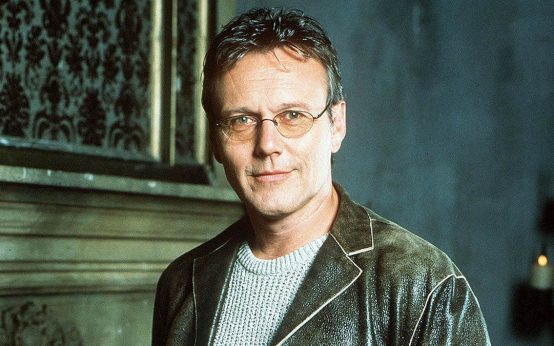 Actor Anthony Head Passes Away at 72
  Taylor Swift’s Return to Country with ‘Toy Story 5’ Song
 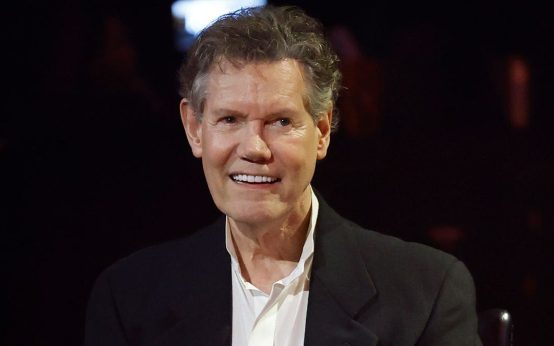 Randy Travis’ Health Struggles and His Storied Music Career
  Senate Approves $70 Billion for Immigration Enforcement
  Alamo Drafthouse Shifts Policy With Phone Ordering System