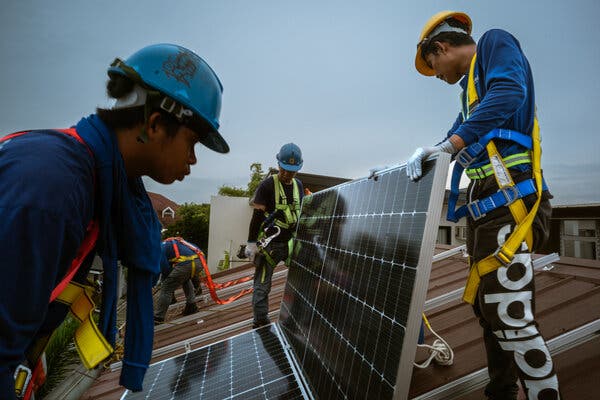
Homeowners and businesses in Southeast Asia are increasingly installing rooftop solar panels to mitigate the impact of high energy costs. This shift is driven by recent disruptions in global oil markets.
Energy Crisis Sparks Change
The war in Iran, which has disrupted energy markets, prompted individuals like Heidi Mendoza from Marikina, Philippines, to explore alternative energy sources. Concerned about potential electricity outages, Mendoza installed solar panels on her home. She teaches financial literacy classes online and seeks to ensure a stable power supply for her work.
Similarly, Ming Kuang Chai, an architect in Kuala Lumpur, Malaysia, opted to add solar panels to his home. His decision was influenced by rising energy costs and his use of an electric vehicle.
Expanding Solar Use
Adiana Julia, aiming to reduce her family’s reliance on traditional energy grids, plans to install solar panels at her parents’ home in Yogyakarta, Indonesia. This trend reflects a broader movement across Southeast Asia, a region dependent on oil shipments via the Strait of Hormuz, which has been closed due to the conflict.
The United States and Iran are nearing an agreement to end the war, which could reopen the strait. Nevertheless, the economic effects linger, spurring lasting changes in consumer behavior.
Impact on the Region
Following U.S.-Israeli strikes on Iran that started the conflict, the Philippines declared a national emergency. It warned of potential blackouts as oil prices climbed due to halted shipments. Mendoza decided to spend 390,000 Philippine pesos, roughly $6,500, on solar panels to maintain her power supply for her online work.
Boost to Solar Industry
The surge in solar demand has benefited China, the leading manufacturer of solar panels. In March, China exported 5.5 gigawatts of solar capacity to Southeast Asia, which is more than double compared to the previous year, as reported by consultancy Wood Mackenzie. This amount can supply power to 1.45 million homes annually, according to analyst Wan Afiq Naqiuddin.
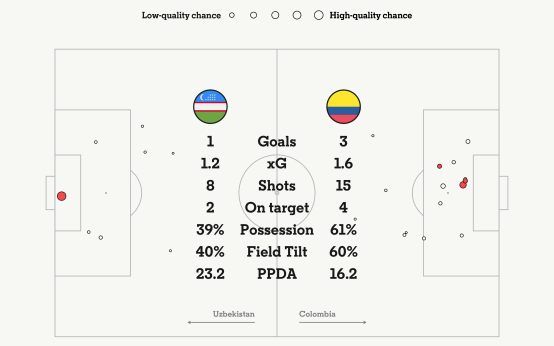 Colombia’s Tactical Play Secures Victory Over Uzbekistan
  Airbnb Offers Free FIFA World Cup Tickets with Select Rentals
 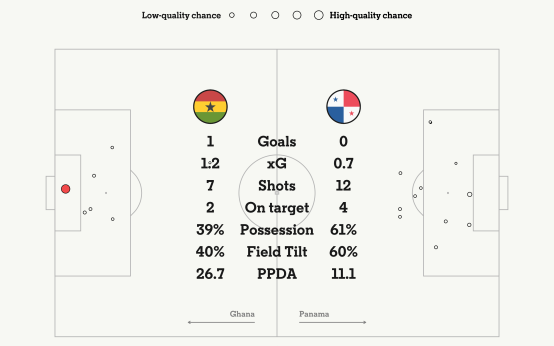 Ghana Secures Late Win Against Panama Amid Rainy Conditions
  Trump’s Approach to Iran: Expectations Versus Reality
  Uzbekistan Begins World Cup Journey Against Colombia at Estadio Azteca
  England Secures Victory Over Croatia with Kane’s Record-Equalling Performance