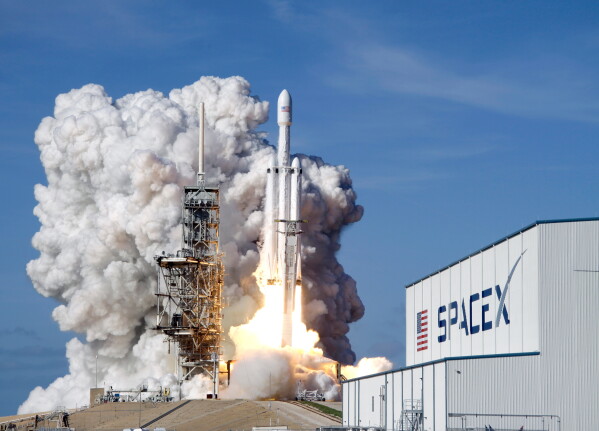
Elon Musk’s SpaceX is set to make a bold entry onto Wall Street. The company plans to offer 555.6 million shares at $135 each. This move positions SpaceX potentially as the largest IPO ever, aiming for approximately $75 billion in proceeds.
Reasons Behind SpaceX’s Public Offering
During a video conference with JPMorgan CEO Jamie Dimon, Musk explained the rationale behind going public. The company plans to deploy 100,000 next-generation Starlink satellites. Establishing AI data centers in space demands a substantial capital influx. Going public grants SpaceX access to these necessary funds but also subjects the company to increased scrutiny from shareholders and regulatory bodies. This change requires quarterly financial reporting, which can encourage short-term decision-making, raising concerns among critics. Current regulatory discussions might reduce this requirement to biannual reporting.
IPO’s Impact on SpaceX
Musk retains control over company decisions through a special class of shares. His influence extends across strategy, finances, and personnel decisions. The company acknowledges Musk as a vital driver of growth and innovation, warning that his departure could disrupt operations and damage relationships with stakeholders. Some investors express concerns over Musk’s control and specific IPO provisions, including ‘super voting shares’ and mandatory arbitration, which limit investor legal recourse. Institutional investors such as pension funds may automatically acquire SpaceX stock through index funds.
Critical Factors for SpaceX’s Future
The Starship rocket’s development is crucial for SpaceX’s long-term success. The company aims for this rocket to be fully reusable, reducing costs and turnaround time. Failure in this area could deter customers and increase operational expenses. Despite competition from Blue Origin and others, SpaceX leads in reusable rocket technology. The Starlink business faces competition, but SpaceX plans to leverage its rockets for launching competitive satellite services.
SpaceX’s prospectus identifies a promising market in AI products targeting operational transformations. This market could reach $22.7 trillion, though no clear profitability path exists for its AI venture following the merger with xAI.
Why Wall Street is Interested
SpaceX’s success could lead to a swift inclusion in the Nasdaq 100 index, which could prompt significant investment from funds that track this index. Nasdaq recently adjusted its rules, permitting certain companies to join shortly after trading begins. However, traditional thresholds delay such entry into the S&P 500 index, which remains highly influential on Wall Street due to its substantial asset base.
 The Impact of AI on Modern Dating and Intimacy
  Trump Administration Halts AI Model Citing Security Concerns
  Great Britain’s Social Media Ban for Kids Sparks Tensions with Trump Administration
  The Growing Role of AI in U.S. Government Decisions
  Insights from the International AI Safety Report 2026
  SpaceX to Acquire Cursor: A Move to Expand in AI