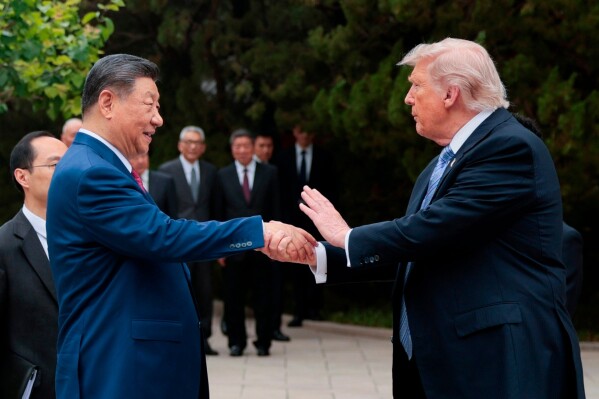
Stephen Colbert, known for his iconic hosting of “The Late Show,” used his platform to critique political figures, especially Donald Trump. Colbert debuted in 2015 by humorously comparing Trump to his inability to resist Oreos. He declared, “Someone on television should have a modicum of dignity and it could be me.” Throughout his tenure, Colbert often challenged Trump’s policies, leading to a public exchange where Trump labeled him a “dead man walking.”
Colbert’s nightly feuds were silenced when CBS announced the show’s cancellation. Heather Hendershot, a journalism professor, believes this stems from political pressure, though CBS cited economic reasons. The cancellation happened after CBS’s parent company settled a lawsuit with Trump for $16 million regarding a “60 Minutes” interview. Colbert called this settlement a “big fat bribe.”
Trump celebrated the cancellation, suggesting that other late-night hosts like Jimmy Kimmel would face similar outcomes. Previously, Trump’s administration pressured ABC to suspend Kimmel after controversial remarks. TV experts cite few examples of shows ending due to political pressure, like the abrupt cancellation of “The Smothers Brothers Comedy Hour” in 1969 for its critical stance on the Vietnam War.
Colbert, previously known for his conservative persona on “The Colbert Report,” wasn’t universally accepted by those he criticized. Rush Limbaugh once stated that CBS waged “war on the heartland of America.”
Under Colbert, “The Late Show” diverged from traditional late-night formats. It featured celebrity interviews and musical acts, alongside unique segments like “Meanwhile” and “Stephen Colbert Presents.” The show won two Emmys and a Peabody Award. Following its closure, Byron Allen’s “Comics Unleashed,” a politics-free talk show, will take its timeslot.
Colbert’s departure leaves a void. Lisa Rogak, Colbert’s biographer, fears this absence in television. Longtime guest Neil deGrasse Tyson lamented the lack of science segments like “The Sound of Science” in popular culture.
Other hosts supported Colbert during the Hollywood strikes, participating in the “Strike Force Five” podcast. Jimmy Fallon and Jimmy Kimmel, alongside John Oliver and Seth Meyers, joined Colbert on “The Late Show” to show solidarity, broadcasting reruns to avoid competition.
Colbert’s appeal extended beyond politics. His open Catholic faith and discussions on religion engaged audiences. Stephanie Brehm praised Colbert’s willingness to engage in profound conversations on topics like grief and social justice.
Colbert also celebrated J.R.R. Tolkien’s works, showcasing his fandom through skits and competitions. Duane Cronkite emphasized Colbert’s contributions to the Tolkien community. Timothy Lenz appreciated Colbert’s enthusiasm for fantasy literature, attributing renewed interest to Colbert’s influence.
Colbert’s next venture involves co-writing a “Lord of the Rings” film, continuing his engagement with Tolkien’s legacy.
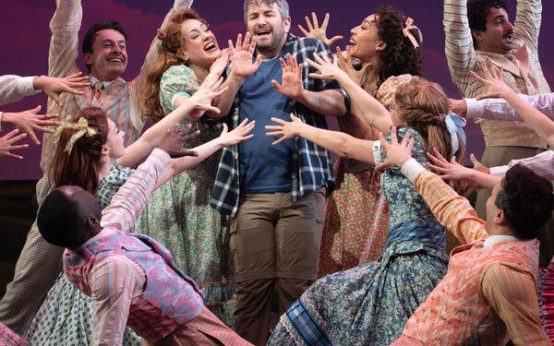
 Exploring Themes of Success and Authenticity in “Power Ballad”
  Actor Anthony Head Passes Away at 72
  Taylor Swift’s Return to Country with ‘Toy Story 5’ Song
  Randy Travis’ Health Struggles and His Storied Music Career
  Senate Approves $70 Billion for Immigration Enforcement
  Alamo Drafthouse Shifts Policy With Phone Ordering System