
On Tuesday, southern Japan experienced a powerful earthquake, reported as a magnitude of 7.1 by the Japan Meteorological Agency and 6.8 by the U.S. Geological Survey. The epicenter was near Kumamoto, around 600 miles south of Tokyo.
The Japan Meteorological Agency issued a tsunami alert, anticipating waves approximately one yard in height. Despite this alert, there were no immediate reports of damage, casualties, or any irregularities at the region’s nuclear power facilities, as confirmed by Japan’s Nuclear Regulation Authority.
The quake was measured on the Shindo scale at level seven, the highest on Japan’s seismic intensity scale. Reporters monitored the event from Tokyo offices, where news of the earthquake was broadcast.
The Pacific Tsunami Warning Center in Honolulu reported no tsunami threat to Hawaii or American Samoa. Prime Minister Sanae Takaichi advised residents to avoid coastlines in the affected areas due to tsunami risks. The government established a task force to evaluate potential damage and to organize necessary rescue operations. Takaichi emphasized prioritizing the lives of the residents and urged caution due to the potential for strong aftershocks.
Japan’s Fire and Disaster Management Agency indicated no immediate reports of damage to major public facilities or infrastructure, although detailed inspections were ongoing. In response to the quake, high-speed Shinkansen bullet trains and local train services in Kyushu were temporarily halted to conduct safety checks, following standard procedure after seismic events.
 Rosie O’Donnell Criticizes CBS Settlement with Trump
 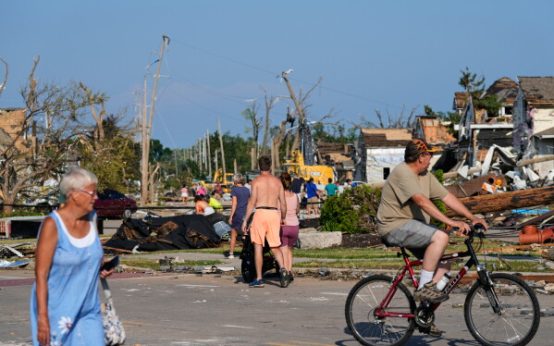 Tornado Strikes Northeastern Wisconsin, Causes Extensive Damage
  Cyclosporiasis Outbreak and Illness at Military-Style Youth Academy
 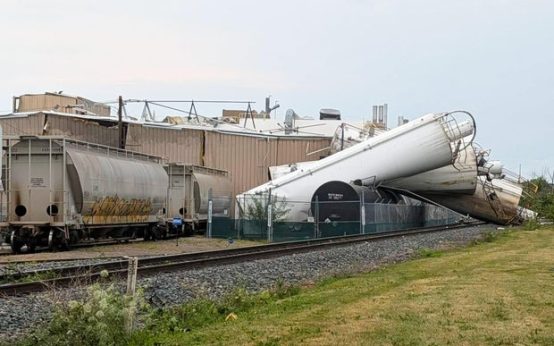 Tornado Strikes Eastern Wisconsin, Causes Significant Damage
  Roundup of Current Events
  Netanyahu Criticizes NYC Mayor for Alleged Hate and Fear Climate