In Northwest Indiana, 39% of households face difficulty affording six basic necessities: housing, childcare, food, transportation, healthcare, and technology. This figure amounts to 114,782 households. Across Indiana, 38% of households, over 1 million in total, are struggling to meet their basic needs, as per the latest ALICE report.
ALICE households earn less than the cost of basic needs but do not qualify for assistance as their income is above the federal poverty level. These households often include workers in childcare, nursing assistants, and cashiers. From 2007 to 2024, the ALICE essentials index in Indiana rose by 61%, compared to a 52% increase in the broader Consumer Price Index.
Chris White, President and CEO of United Way Northwest Indiana, emphasized the organization’s focus on the ALICE population. He noted that while wages rise, costs grow even faster. In May, U.S. consumer inflation rates reached 4%, prompting White to question whose paychecks increased by that percentage. Families in both urban and rural areas struggle across every county in the region and the state.
The minimum income required for a single adult to live in Indiana in 2024 was $28,764, and for a family of four, it was $74,028. These figures are nearly double the federal poverty level. In Northwest Indiana counties such as Lake, Porter, Jasper, Newton, and Starke, 27% of households fall below the ALICE threshold but above the federal poverty level, while 12% fall below the poverty level.
Racial disparities also exist, with 57% of Black households and 41% of Hispanic households in poverty or below the ALICE threshold. Statewide, 72% of households headed by single women and 49% by single men fall below the ALICE threshold. There’s no single solution to support ALICE households, as each family has unique financial challenges.
“Targeted interventions can temporarily help ease challenges like food insecurity or housing cost burden, but improving overall financial stability for the long term requires more comprehensive strategies,” the report states.
State measures such as the gas tax holiday introduced by Gov. Mike Braun offer temporary relief, but costs for essentials remain high. Wage increases have not kept pace with rising expenses, impacting families even if they earn above poverty-level wages.
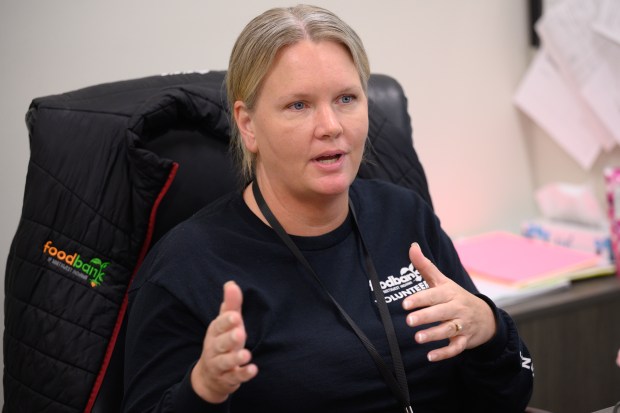
The Food Bank of Northwest Indiana, led by Vice President Tricia Sheaks, serves 60,000 people monthly, distributing over 900,000 pounds of food. Despite funding challenges, the food bank continues its mission with support from donations and local businesses. Sheaks emphasizes ensuring access to healthy foods for all income levels.
CoAction, an organization aiding those in financial hardship, echoes the ALICE report’s findings. Lauren Zurbriggen from CoAction notes how ALICE households make difficult daily decisions to manage basic expenses. Increases in assistance applications and debt reliance indicate growing stress on household budgets.
The North Township Trustee’s Office, led by Virginia Carter, reports rising help requests for bills, including utilities. Between the first halves of 2025 and 2026, assistance amounts increased significantly. More elderly individuals on fixed incomes are now seeking help.
St. John Township Trustee Cathy Lareau also identifies a surge in requests for housing and utility payments. Lareau highlights the need for long-term solutions, as many remain unaware of the extent of financial struggle within local communities.
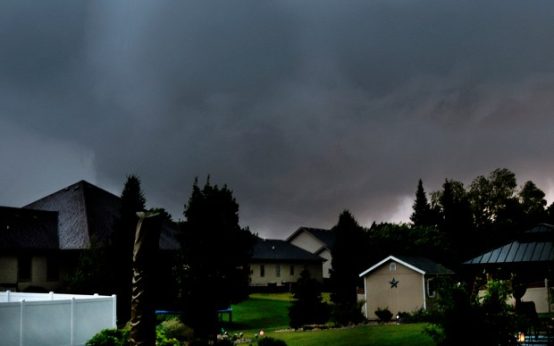 Tornadoes Strike Illinois and Indiana, Causing Damage and Power Outages
  National Park Service Biologist’s Termination Leads to Lawsuit
 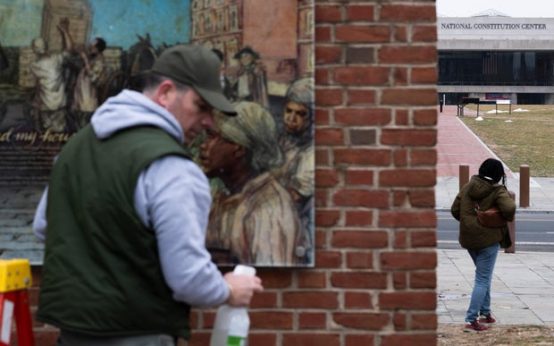 Federal Judge Blocks Trump Administration’s National Park Changes
  New York’s Sports Rollercoaster in 1994
  Weekly News Highlights: Soccer, Quotes, and More
 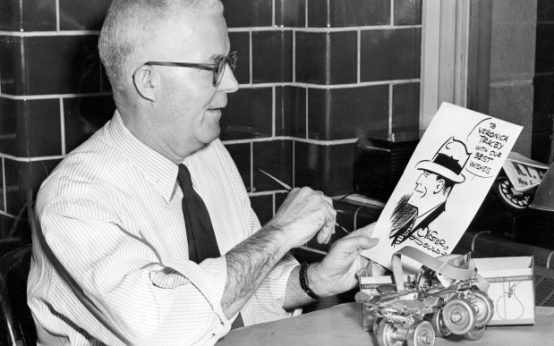 Notable Events in Chicago’s History: June 13