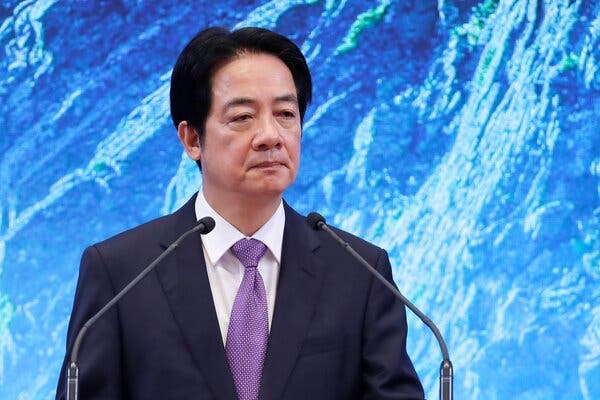
A spokesperson for Taiwan’s President, Lai Ching-te, condemned China for expelling a New York Times reporter following Lai’s video appearance at a Times DealBook summit in New York last December. The reporter, Vivian Wang, was removed from Beijing in February, despite not participating in the summit, which gathers influential executives and politicians.
Chinese authorities had been complaining about Ms. Wang’s reports, which often tackled sensitive subjects. China, aiming to isolate Taiwan—a self-governing island they see as their territory—regards interactions with Taiwan’s leaders as a breach of Chinese sovereignty.
In a Sunday online statement, Taiwan’s president’s spokesperson, Kuo Ya-hui, critiqued China’s attempts to pressure media organizations concerning Mr. Lai. She highlighted this as a threat to journalistic freedom and safety, stating, “China’s baseless pretexts to threaten the media and interfere with press freedom not only harm its international image but also show China’s role as a source of instability.”
Ms. Wang, a China correspondent since 2020, often reported on everyday Chinese living under governmental censorship, China’s handling of the coronavirus pandemic, and the expanding security state. Her expulsion represents Beijing’s ongoing actions against foreign journalists who question official narratives.
In a reciprocal move, the previous U.S. administration revoked the visa of a journalist from the Chinese state news agency, Xinhua, known for propagandistic content. The New York Times stated last week they had no involvement in the Chinese journalist’s expulsion.
Ms. Kuo defended President Lai’s media engagements, asserting they help “clarify the country’s stance, share democratic experiences, and affirm commitments to regional security and peace.” China, to isolate Mr. Lai, also tried to cut his access to international air routes. In April, under pressure from Beijing, three nations denied overflight rights, forcing Mr. Lai to cancel a trip to Eswatini. Mr. Lai eventually traveled there in May.
Research contributions for this piece were made by Pei-Lin Wu. David Pierson, who has been in journalism for over 20 years, covers Chinese foreign policy and their global economic and cultural relationships.
 Latin American Deportees in Congo: Return to Home Countries Amid Challenges
  Controversy Surrounds Stabbing Incident of British Student
  Royal Cottages and Controversies: Financial and Legal Revelations
 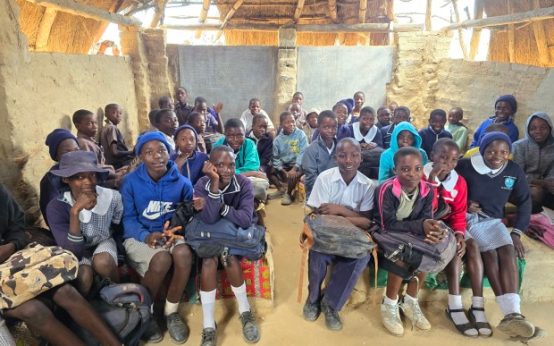 Oak Lawn Librarian Supports Library Projects in Zimbabwe
  World Cup Anticipation: US Men’s National Team and Norway’s Viking-Themed Campaign
 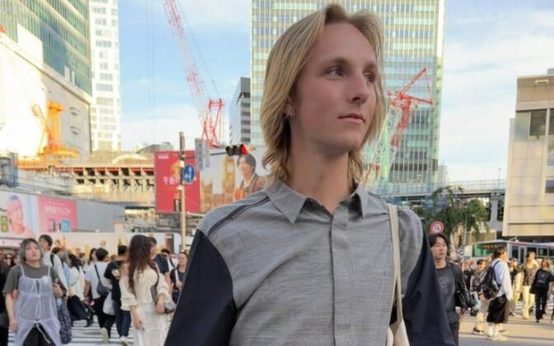 Family Searches for Missing Auburn Student in Japan After Disagreement Over AI