
An Overview of the Agreement
President Trump has announced a provisional agreement with Iran. However, it is neither a peace, nuclear, nor missile deal. These aspects may be addressed in upcoming negotiations, but current discussions lack a clear timeline.
Current Situation
While the deal has not been finalized, it presents an opportunity to extend a cease-fire. Most importantly, it might lead to the reopening of the Strait of Hormuz. This potential development could alleviate a significant energy disruption.
Diplomatic Mediation
The discussions between the US and Iran were mediated by a hard-line Pakistani general. This intervention appears to have prevented further escalation. Assuming the final terms are approved by President Trump and Iran’s supreme leader, the potential reopening of the oil passage is significant.
Political and Economic Considerations
The potential reopening of the Strait of Hormuz offers political relief for Republicans. With gasoline prices approaching $4.50 a gallon, concerns were growing over the impact on upcoming midterm elections. Meanwhile, Iran’s economy, suffering from reduced oil revenue, stands to benefit significantly.
A Shift in Tone
President Trump’s proclamation deviates from his earlier stance on Iran. Previously, he had declared there would be no agreement short of an unconditional surrender. Now, he emphasizes orderly and constructive negotiations, instructing representatives to take their time.
“The negotiations are proceeding in an orderly and constructive manner, and I have informed my representatives not to rush into a deal in that time is on our side.”
 President Trump’s Attendance at NBA Finals Game Sparks Reactions
 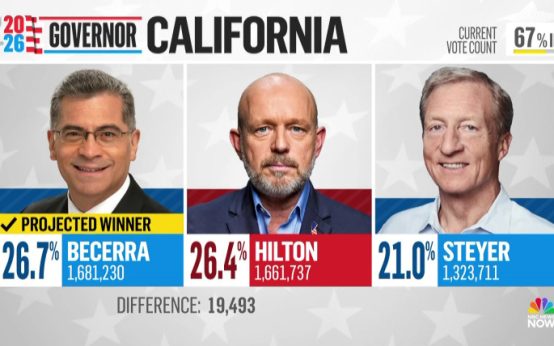 Investigations Launched Amid California Election Fraud Claims
  Khanna Urges Apology from Maine Senate Candidate Over Misconduct Allegations
 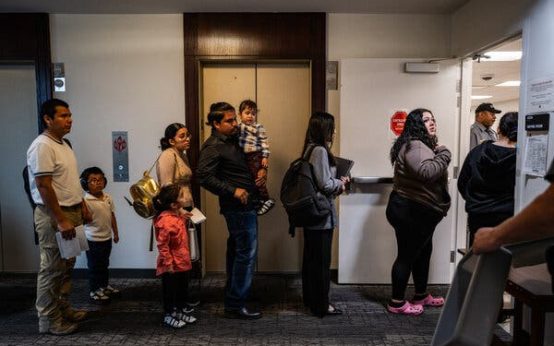 Judge Overturns Trump-Era Immigration Policies
  Trump Aims to Reduce National Intelligence Office Size
 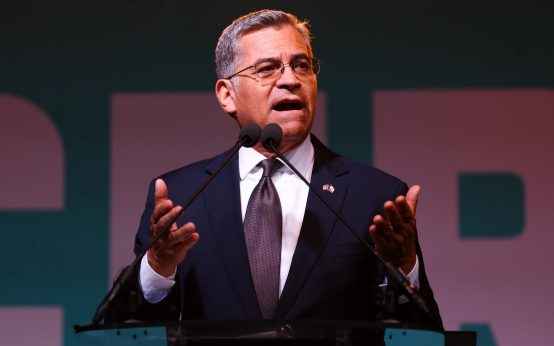 California Primary Election 2026: Key Races and Emerging Results