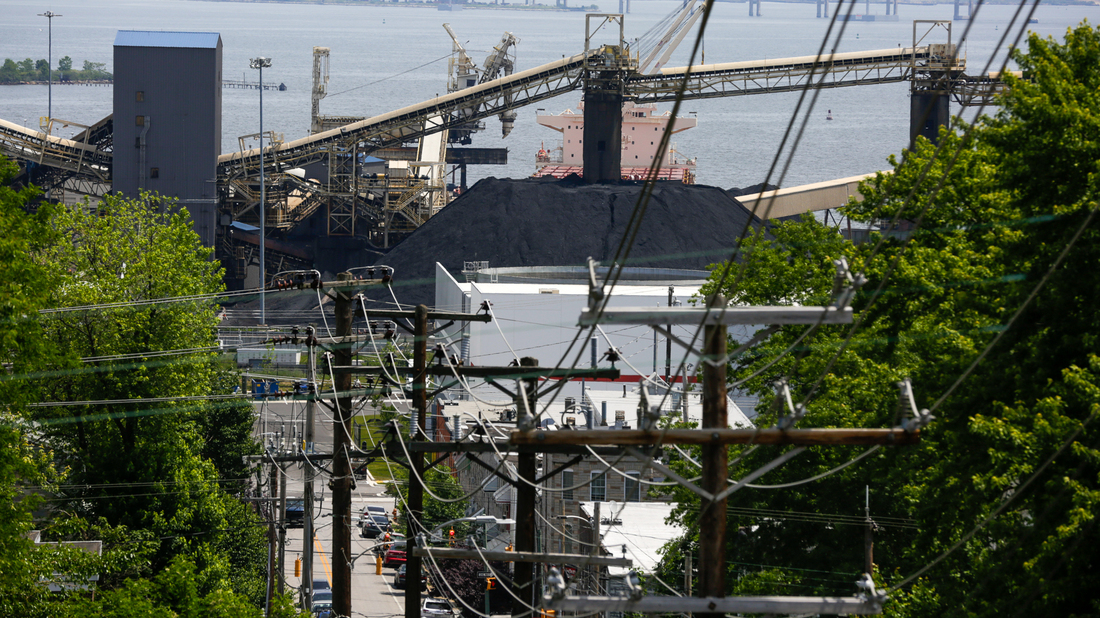
Residents of Curtis Bay, Maryland, have long campaigned for cleaner air. A new satellite might enhance air pollution monitoring significantly. This development raises the question: can it lead to cleaner air where it’s most needed?
In various U.S. neighborhoods, people face severe air pollution. These are often areas with working-class populations and communities of color. Many residents know their air quality is poor but lack the data to advocate effectively for change.
Today’s discussion on NPR, featuring climate reporters Rebecca Hersher and Seyma Bayram with Short Wave host Emily Kwong, focuses on how a new satellite, the Tropospheric Emissions: Monitoring Pollution (TEMPO), could aid these communities. TEMPO aims to provide data that strengthens efforts for cleaner air.
TEMPO is a collaboration between NASA and the National Oceanic and Atmospheric Administration (NOAA). It will measure pollutants such as ozone, nitrogen dioxide, and sulfur dioxide hourly across the U.S. They anticipate this data will improve air quality guidance, making it more timely and specific to different locations.
If you have science-related questions, feel free to email at [email protected]. The NPR team welcomes your input!
For more insights, listen to Short Wave on Spotify, Apple Podcasts, and Google Podcasts.
This episode was produced by Berly McCoy, edited by Rebecca Ramirez, and fact-checked by Rebecca Hersher and Seyma Bayram. Patrick Murray served as the audio engineer.
 Limited Interest in Arctic National Wildlife Refuge Oil Auction
  Confronting the Truth Behind Sustainability Buzzwords in the Food Industry
  The Aftermath of Santa Rosa Island’s Fire
  Largest Seizure of Illegal Cockroaches in Australia
  Flesh-Eating Fly Returns to the United States Causing Concern
 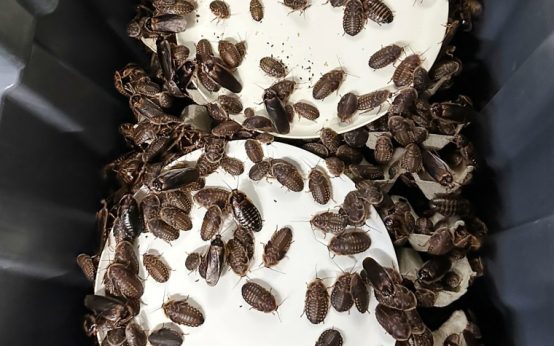 Australia’s Largest Seizure of Exotic Invertebrates: Over 100,000 Cockroaches Confiscated