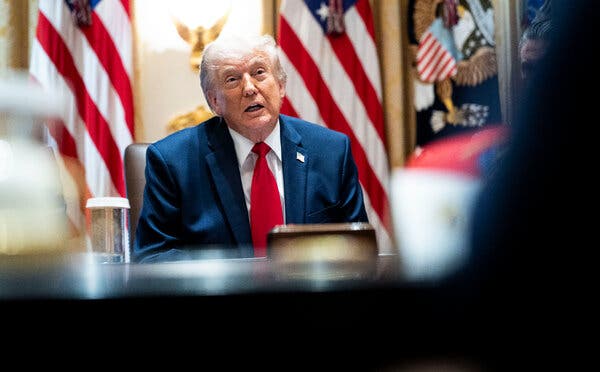
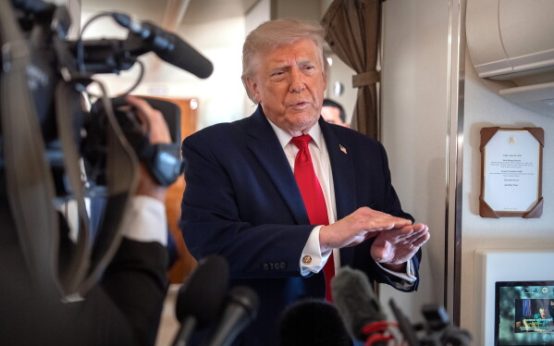
President Trump signed a significant executive order addressing the regulation of artificial intelligence (A.I.) models, marking a departure from the White House’s previous hands-off approach toward the technology. The decision follows extensive debates on balancing innovation with national security concerns.
On June 2, 2026, President Trump formalized the order, which requests technology companies to voluntarily submit their new A.I. models for government review before public release. This move aims to ensure oversight without stifling innovation.
Previously, Trump’s administration had considered another executive order, proposing a 90-day review period for new A.I. models. However, the president opted to withdraw that plan hours before its scheduled signing, reflecting ongoing discussions on the regulation’s impact.
Monday’s White House meeting, led by President Trump, brought together key figures such as Treasury Secretary Scott Bessent, Defense Secretary Pete Hegseth, and former A.I. czar David Sacks. Sources familiar with the meeting report that Mr. Sacks initially opposed the plan but agreed to a revised version featuring a shortened 30-day review period instead of 90 days, influencing the president’s final decision.
The executive order represents the administration’s most notable effort to regulate A.I. technologies, reversing the president’s prior approach meant to strengthen American tech companies against global competition.
Under the new directive, technology firms will provide a voluntary 30-day window for governmental review of their A.I. models. Additionally, the order mandates the Treasury Secretary to establish an A.I. cybersecurity clearinghouse for assessing security vulnerabilities identified by A.I. models.
President Trump’s decision underscores the dual nature of advanced A.I. capabilities: enhancing national strength while posing new security risks that necessitate joint efforts among government agencies. The administration’s step reflects a nuanced strategy to address both the benefits and challenges of pioneering A.I. innovations.
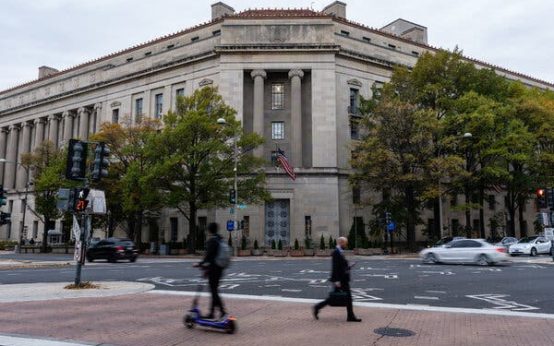 Justice Department Withdraws Plan for $1.8 Billion Fund
 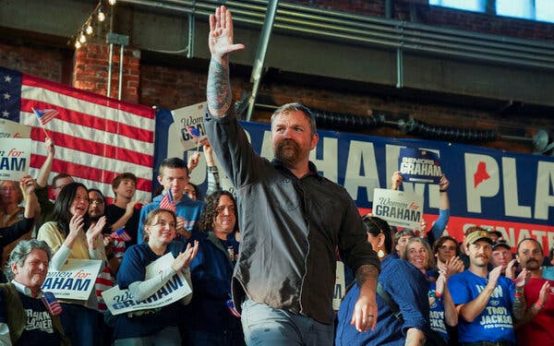 Democratic Concerns Grow Ahead of Maine Senate Primary
  Latin American Deportees in Congo: Return to Home Countries Amid Challenges
 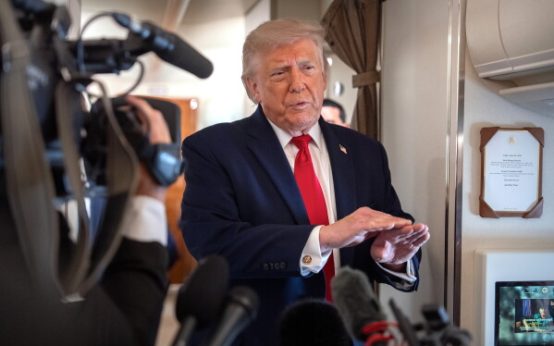 Federal Judge Invalidates Trump-Era Immigration Policy
  Debate Over White House Ballroom Construction
 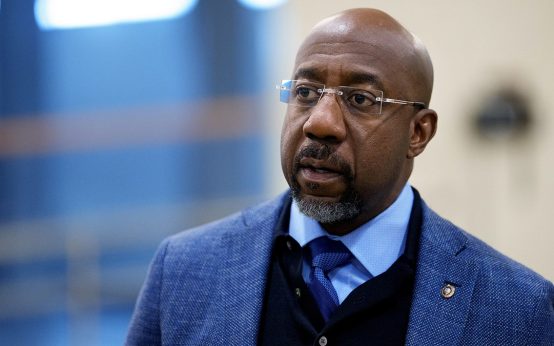 Scrutiny Surrounds Graham Platner Amid Maine Senate Primary